
Tsuetate Onsen: Hot Spring Guide & Visitor Access
[Important] About the 2026 Kumamoto Earthquake
Because of the Kumamoto Earthquake of 28 July 2026, some tourist facilities and roads in Kumamoto Prefecture may be closed or impassable. Kumamoto Castle reopened on 13 August 2026, but the Kumamoto Castle Museum "Wakuwaku-za" remains temporarily closed and is scheduled to reopen in December 2026 (announced officially on 11 September 2026). Please check the official information for each facility before you set out.
Always confirm the latest information on each facility's official website and in announcements from the local authorities before you travel.
Along the Tsuetate River that runs the border between Kumamoto and Oita, inns crowd both banks in what is Tsuetate Onsen. Steam rises from the floor of the gorge and narrow lanes twist through the town, filling it with a nostalgia that feels like stepping back in time. It has long been cherished as a place for healing retreats.
Highlights
Much of Tsuetate charm lies in wandering the maze-like back lanes known as sedoya. Follow the stone steps and passages and you come upon foot baths and small stone guardians in unexpected corners, with all the fun of exploring. Steaming pits fed by geothermal vapor are a local specialty, where you can cook eggs and vegetables in the rising heat. The sight of steam drifting up when viewed from the riverside is a mood found only here.
Enjoying the Seasons
From spring into early summer, a festival sends countless carp streamers swimming above the river, coloring the gorge in bright hues. Summer brings a cooling river breeze through the valley, and autumn dresses the surrounding mountains in red and gold. In winter the steam rises thicker still, and the warmth of the baths after a lane-side stroll sinks pleasantly in.
Access and Basic Information
Tsuetate lies in Oguni, in the Aso district of Kumamoto Prefecture, right against the Oita border. By car, travelers usually come via the Kyushu Expressway from the Kumamoto side, or head south on National Route 212 from the Hita interchange of the Oita Expressway. For public transport, a highway bus on the Kurokawa Onsen line runs from the direction of Fukuoka (Hakata and Tenjin), stopping at Tsuetate Onsen along the way. Departures are limited, so it helps to check timetables in advance. Hours for the steaming pits and foot baths can change by facility and season.
Practical Travel Notes
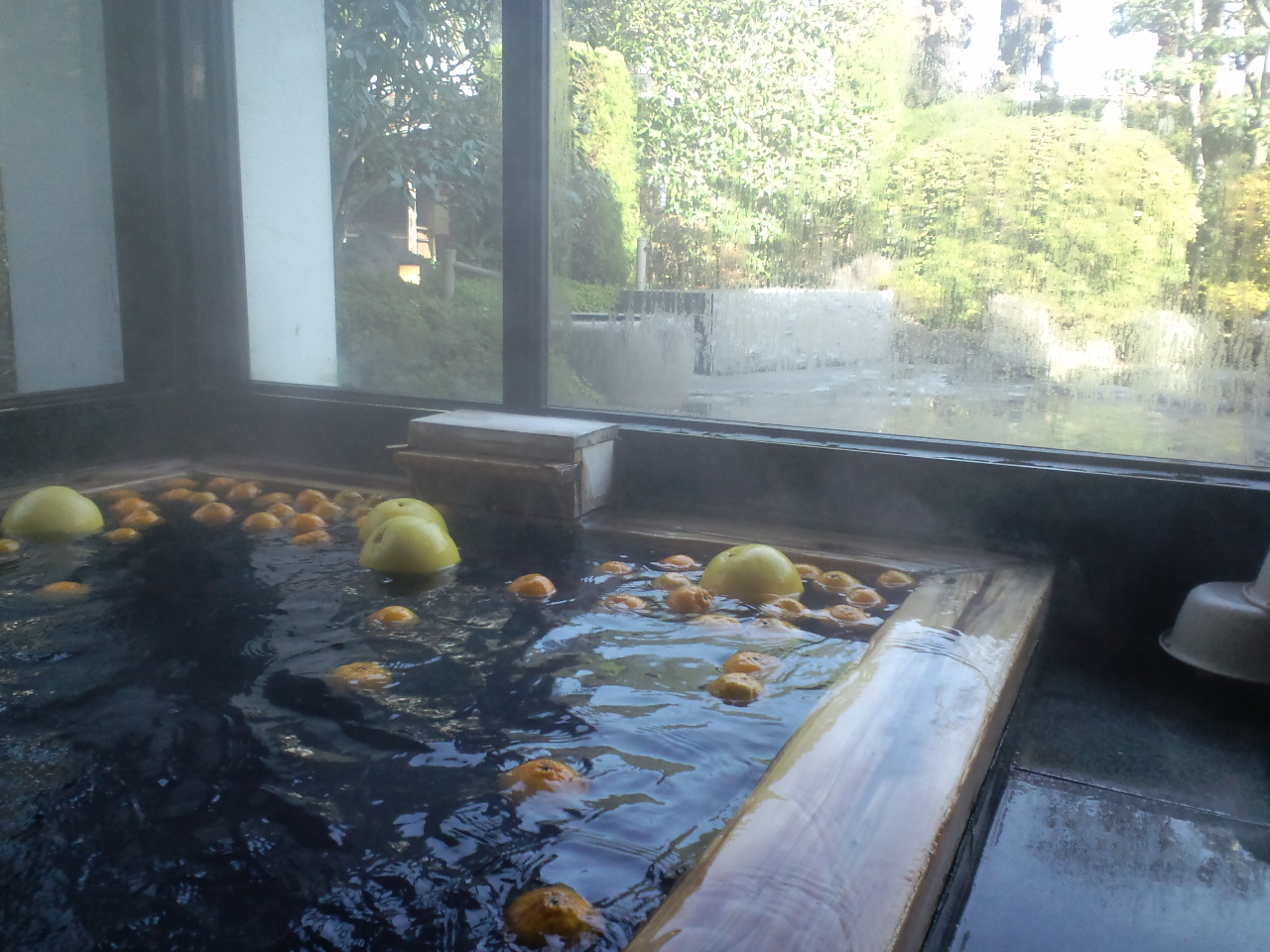
Tsuetate water is a sodium chloride spring that contains metasilicic acid, said to be a moisturizing component, and is described as soft and kind to the skin. A town specialty is steamed cooking that uses the vapor of the springs; at the shared steaming pit across the bridge you can bring eggs, vegetables, or meat bought locally and steam them yourself (confirm the method and where to buy ingredients on site). The heart of a stroll is the cluster of lanes called sedoya, where narrow stone steps and passages weave up and down; tracing foot baths and stone guardians, you can wander unhurried for about an hour. The carp-streamer festival in spring draws crowds, so weekdays or mornings are better if you want a quiet walk. Kurokawa Onsen and the Waita hot spring hamlet are close by, making Tsuetate a fine base for bath-hopping. Budget roughly a few hundred to just over a thousand yen for a day bath.
A Quick Tip
The lanes are hilly and tangled, so wear comfortable shoes for your stroll. At the steaming pits, be sure to try cooking and eating local ingredients in the vapor, and take care with the hot steam to avoid burns.
Sightseeing Checklist
- Estimated time: About an hour for a bath
- What to bring: A towel (available to buy), a change of clothes, and your own soap to be safe
- Best season: The spring carp-streamer festival and the fresh greenery and autumn leaf seasons
- Avoiding the crowds: Mornings and evenings tend to be busy with local visitors, so daytime is your best bet
- Nearby stops: A walk along the Tsuetate River, a steam bath experience, the countryside of Oguni and Nabegataki Falls
📚 Sources
This article is compiled from tourism information for Kumamoto Prefecture and information published by the individual facilities. Fees, opening hours and closing days may change, so please check each facility's official information before setting out.
📍 Location & Access


Share this article




✍️ About this article
This article is compiled by the Tabitabi JAPAN editorial team from official and primary sources, including facility and shrine/temple websites, tourism information published by municipalities and tourism associations, and cultural-property records released by national and local governments. Prices, opening hours and event dates may change, so please also check the official information of each facility or local government before you visit.