
Toyokawa Inari — One of Japan's Three Great Inari Shrines for Business Success
Toyokawa Inari in Toyokawa City, Aichi Prefecture, is officially the Soto Zen temple Enpukuzan Toyokawakaku Myogon-ji. Its principal image is the Eleven-Faced Thousand-Armed Kannon, and because it enshrines the Inari deity Dakini-ten as its guardian, it is popularly called Toyokawa Inari and counted among Japan's three great Inari sacred sites. Known for blessings of business success, good fortune, and matchmaking, it draws a steady stream of worshippers from across the country, including business figures and entertainers.
Highlights
- Reiko-zuka (Spirit Fox Mound): A mystical area deep in the grounds where more than a thousand stone fox statues stand in dense rows. Foxes of every size and expression create an overwhelming atmosphere.
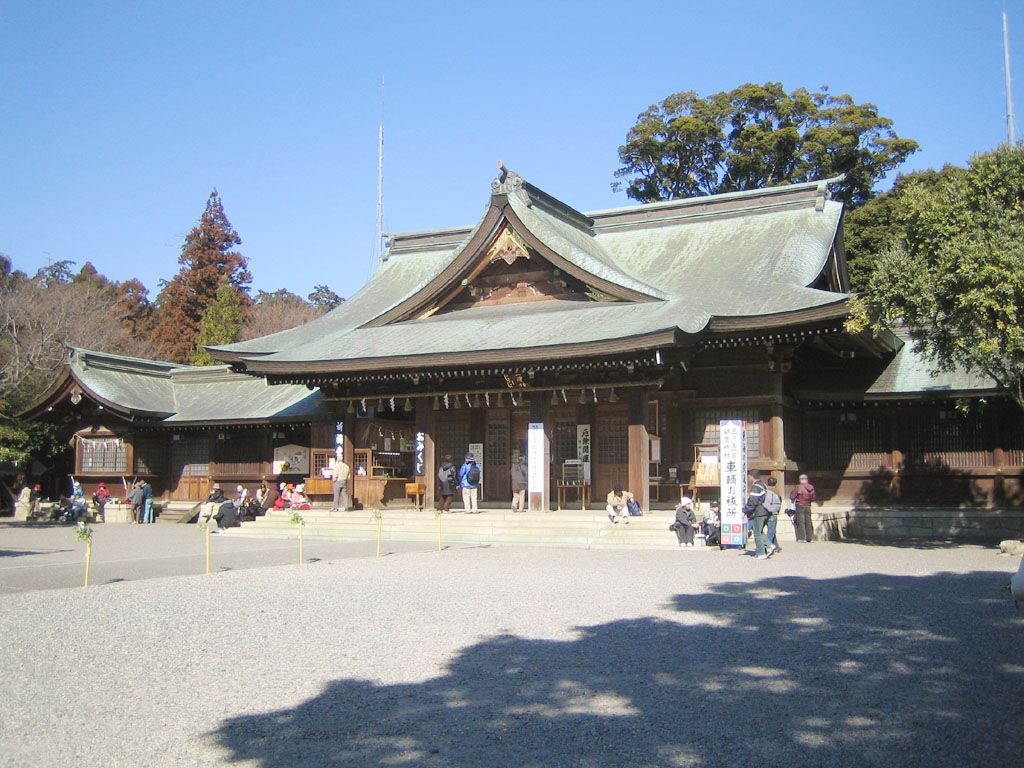
- Main Hall and Mountain Gate: A weighty temple complex spreads out, and the main hall, hung with gleaming golden banners, is solemn in the extreme, evoking a history reaching back to the Edo period.
- Okunoin (Inner Sanctuary): A hushed sacred space behind the main hall. Worshippers favor it for its denser air of prayer.

Enjoying the Seasons
The New Year visit is among the most popular in Aichi, with well over a million worshippers in the first three days alone. The spring grand festival (May 4-5) fills the approach with lively fair stalls. In summer, lanterns light the path, making an evening visit pleasant. The autumn grand festival (third Saturday and Sunday of November) is also a highlight, bustling with families.

Access and Basic Information
- Location: 1 Toyokawa-cho, Toyokawa City, Aichi Prefecture
- Access: About a 5-minute walk from Toyokawa-inari Station on the Meitetsu Toyokawa Line, or about a 5-minute walk from Toyokawa Station on the JR Iida Line
- Hours: Grounds open freely (open year-round; charm counter and prayer reception during the day)
- Admission: Free
- Time needed: About one to two hours
Practical Travel Notes
- Best time of day: Visiting the Reiko-zuka in the bright hours of the day lets you feel the full force of the countless fox statues. If you want a prayer or a charm, come within reception hours.
- Time needed: Touring from the main hall to the inner sanctuary and the Reiko-zuka at leisure takes about one to two hours. Add the temple-town food stroll and it becomes a half-day outing.
- Nearby food: The temple town is lined with inari-zushi shops, and Toyokawa inari-zushi is a local specialty. A post-worship food stroll is a classic.
- Budget sense: Visiting is free. Charms start from a few hundred yen, with prayers and meals extra. Inari-zushi can be enjoyed at reasonable prices.
- Access guide: From the Nagoya direction, the Meitetsu ride to Toyokawa-inari Station takes roughly around an hour, an easy distance as an extension of Nagoya sightseeing.
A Quick Tip
Toyokawa Inari's charm lies in its unusual makeup as a temple that is also a site of Inari worship. The spectacular scene of the Reiko-zuka is a must-see. After worship, a food stroll for inari-zushi in the temple town is the classic course. The first three days of the New Year are very crowded, so those wanting an unhurried visit should shift their timing.
📚 Sources
The information here is based mainly on the public guidance published by Toyokawa Inari (Enpukuzan Toyokawa-kaku Myogonji). Public materials from Toyokawa city and its tourism association, the notices along the temple-gate town, and on-site origin records are also helpful references. While the grounds are free to visit, the hours of the amulet office and prayer reception and the dates of the grand festivals may change, so please confirm the latest details on the official Toyokawa Inari information before you visit.
Visitor Checklist
- Estimated time needed: About 1 to 2 hours to explore from the main hall to the inner sanctuary and the Reikozuka fox statues; allow around half a day if you add strolling and snacking in the gate town.
- What to bring: The Reikozuka is best seen in daylight, and prayers or amulets require visiting within the reception hours. Cash is handy for sampling inari sushi in the gate town.
- Suggested route: Pray at the main hall, then walk through the inner sanctuary and the Reikozuka, and finish by tasting Toyokawa inari sushi along the temple-gate town, which is the classic course.
📍 Location & Access


Share this article


✍️ About this article
This article is compiled by the Tabitabi JAPAN editorial team from official and primary sources, including facility and shrine/temple websites, tourism information published by municipalities and tourism associations, and cultural-property records released by national and local governments. Prices, opening hours and event dates may change, so please also check the official information of each facility or local government before you visit.