
Tamasaki Shrine: Highlights & Visitor Access (Chiba)
Enshrined in Ichinomiya Town, Chiba Prefecture, Tamasaki Shrine is an ancient shrine with over 1,000 years of history as the first shrine of Kazusa Province. Its main deity is Tamayorihime no Mikoto, and it is widely known for beliefs in matchmaking, blessings of children and safe childbirth. Standing at the southern end of the Kujukuri coast with a view over the Pacific Ocean, it is also cherished as the starting point of a leyline (the path of the rising sun) where the morning sun is worshipped.
Highlights
- The black-lacquered shrine buildings, rebuilt in the Edo period in the gongen-zukuri style, carry a calm dignity. The present buildings are said to date from the Jokyo era, around 1687.
- In the grounds is the Barefoot Path, said to bring body and mind into balance when trodden barefoot, and worshippers walk it slowly.
- The sacred ginkgo tree is called the child-blessing and child-rearing ginkgo, revered as a symbol of blessings of children and their nurturing.

Seasonal Highlights
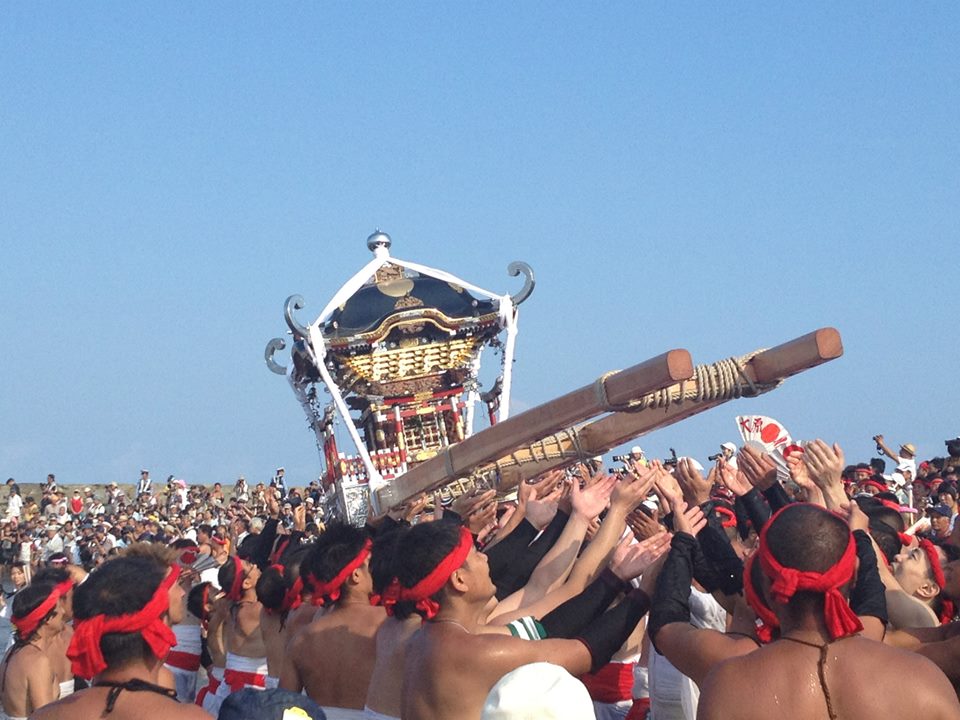
Spring brings fresh greenery, summer a cool sea breeze, and autumn a ginkgo that turns the grounds golden. On New Years Day the shrine is lively with worshippers greeting the first sunrise rising from the Pacific, and on the spring and autumn equinoxes you can sense the mystery of the leyline along which the sun aligns in a straight line. On September 13 the Kazusa Junisha Festival (the naked festival) is held, with a spirited procession of portable shrines as the highlight.

Access and Basic Information
- Location: 3048 Ichinomiya, Ichinomiya Town, Chosei District, Chiba Prefecture
- Access: About an 8-minute walk from Kazusa-Ichinomiya Station on the JR Sotobo Line
- By limited express: About 70 minutes from Tokyo Station on the Wakashio limited express, offering good access
- Worship hours: Grounds open freely (the amulet office has set hours)
- Parking: Available
Practical Travel Notes
- Best season and time: The first sunrise on New Years Day, the spring and autumn equinoxes when you can feel the leyline, and late autumn when the ginkgo turns color are the highlights. In the quiet early morning you can worship peacefully in the clear air off the sea.
- Time needed: About 30 minutes to an hour for worship and the Barefoot Path.
- Nearby spots: Ichinomiya is also known as a surf spot on the Kujukuri coast, and you can walk down to the beach. There are eateries around Kazusa-Ichinomiya Station where you can enjoy local seafood.
- Budget feel: Worship and parking are free. Even including charms and a meal, it stays within an easy-to-enjoy range. Charms for matchmaking are popular.
A Word of Advice
It is said that walking the Barefoot Path clockwise three times makes your wish come true. Visiting early in the morning when there are few people lets you worship quietly in the clear air off the sea. Timing your visit to the first sunrise or an equinox leyline day is also recommended.
📚 Sources
This article is compiled from the history of Tamasaki-jinja, the ichinomiya of Kazusa Province, tourism guidance for Ichinomiya Town, public information on rites such as the Kazusa Junisha Festival, and guidance related to the ley line known as the Path of the Sunrise. The hours of the amulet office and the dates of rites may change, so please confirm fees, hours, and access with official sources before you set out. Please also refer to the on-site history notice and signboards.
Visitor Checklist
- Estimated time: About 30 minutes to an hour for worship and the Barefoot Path.
- What to bring and prepare: Since you walk the Barefoot Path, easy on-and-off shoes are handy. It can be chilly in the morning near the sea, so dress for the season.
- Suggested route: Worship at the black-lacquered shrine hall, walk the Barefoot Path, and gaze at the child-blessing ginkgo. You can also extend to eateries near Kazusa-Ichinomiya Station or the surf spots along Kujukuri Beach.
- Tip for a quiet visit: The early morning, with few people, lets you worship calmly in the clear sea air, and visiting on the first sunrise or a ley-line day is also recommended.
📍 Location & Access


Share this article




✍️ About this article
This article is compiled by the Tabitabi JAPAN editorial team from official and primary sources, including facility and shrine/temple websites, tourism information published by municipalities and tourism associations, and cultural-property records released by national and local governments. Prices, opening hours and event dates may change, so please also check the official information of each facility or local government before you visit.