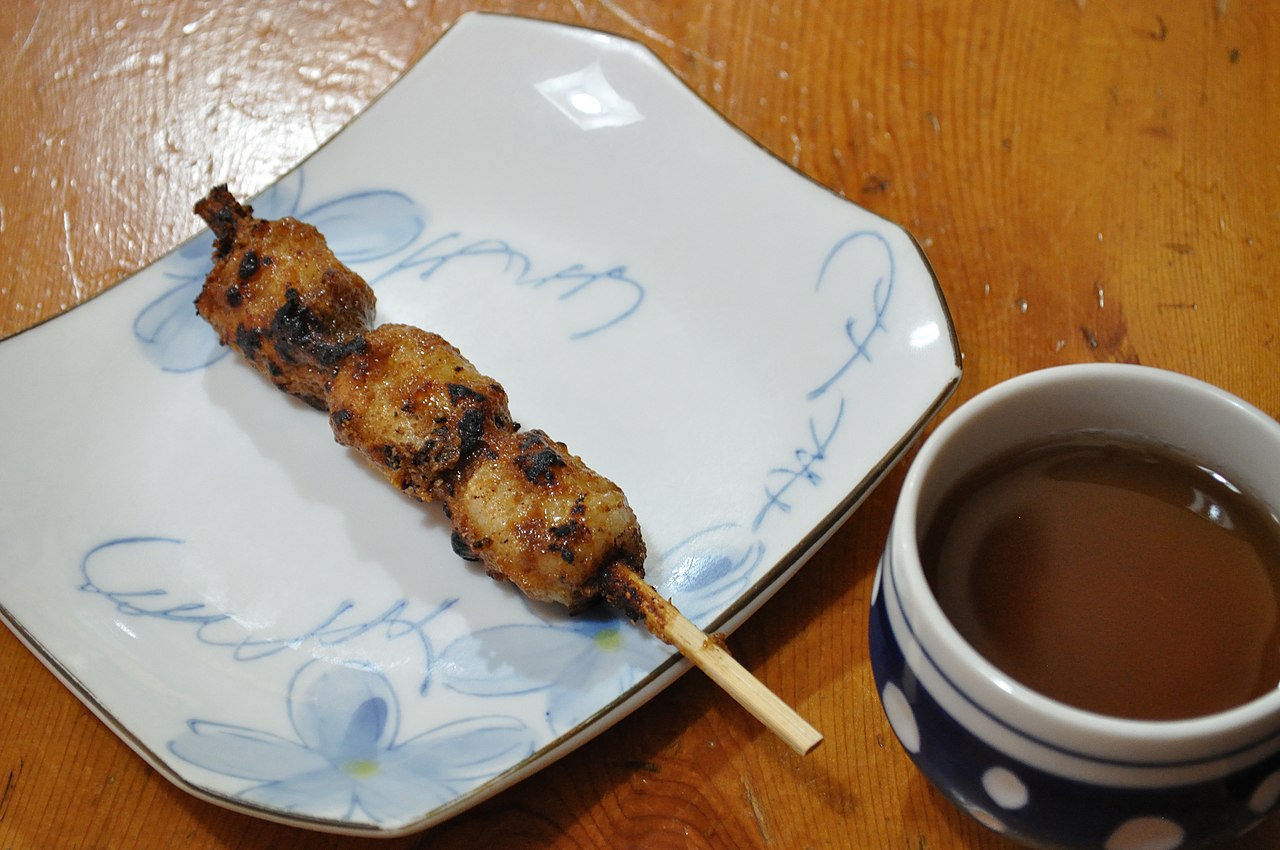
Gohei Mochi, the Fragrant Grilled Rice Snack of the Mountain Villages
Gohei mochi is a traditional snack handed down in the mountain areas of Gifu such as Tono and Hida. Cooked rice is mashed about halfway, wrapped around a skewer, and grilled until fragrant with a sweet-savory sauce blending walnut, sesame, and miso. The aroma of the well-toasted sauce and the chewy texture of the rice keep you coming back, a simple dish that warms even the heart.
Highlights
Gohei mochi shows regional individuality even in its shape. Some are flat like a straw sandal, others are skewers of linked dumplings, varying by locale. The sauces, too, often make use of nuts gathered in each area, such as walnut, perilla, and sesame, giving differences in aroma and flavor. The history of being enjoyed as a treat between mountain work shows in its humble form.
Enjoying the Seasons
Gohei mochi grilled fresh over charcoal tastes especially good in the chilly seasons. Bite into one while autumn leaf-viewing or strolling a mountain village, and its savory warmth gently eases the fatigue of travel. Often seen at roadside stations and festival stalls, it is a mountain-village snack you can enjoy casually all year round.
Access and Basic Information
Gohei mochi can be widely enjoyed at roadside stations, sightseeing teahouses, and souvenir shops in the Tono area including Nakatsugawa and in the Hida region. It is easy to stop for at post towns along the Nakasendo such as Magome and Tsumago, or while driving through mountain villages, and the appeal is being able to eat it freshly grilled on the spot. The price is generally a few hundred yen per skewer, and the shape and the nuts in the sauce differ by area.
Practical Travel Notes
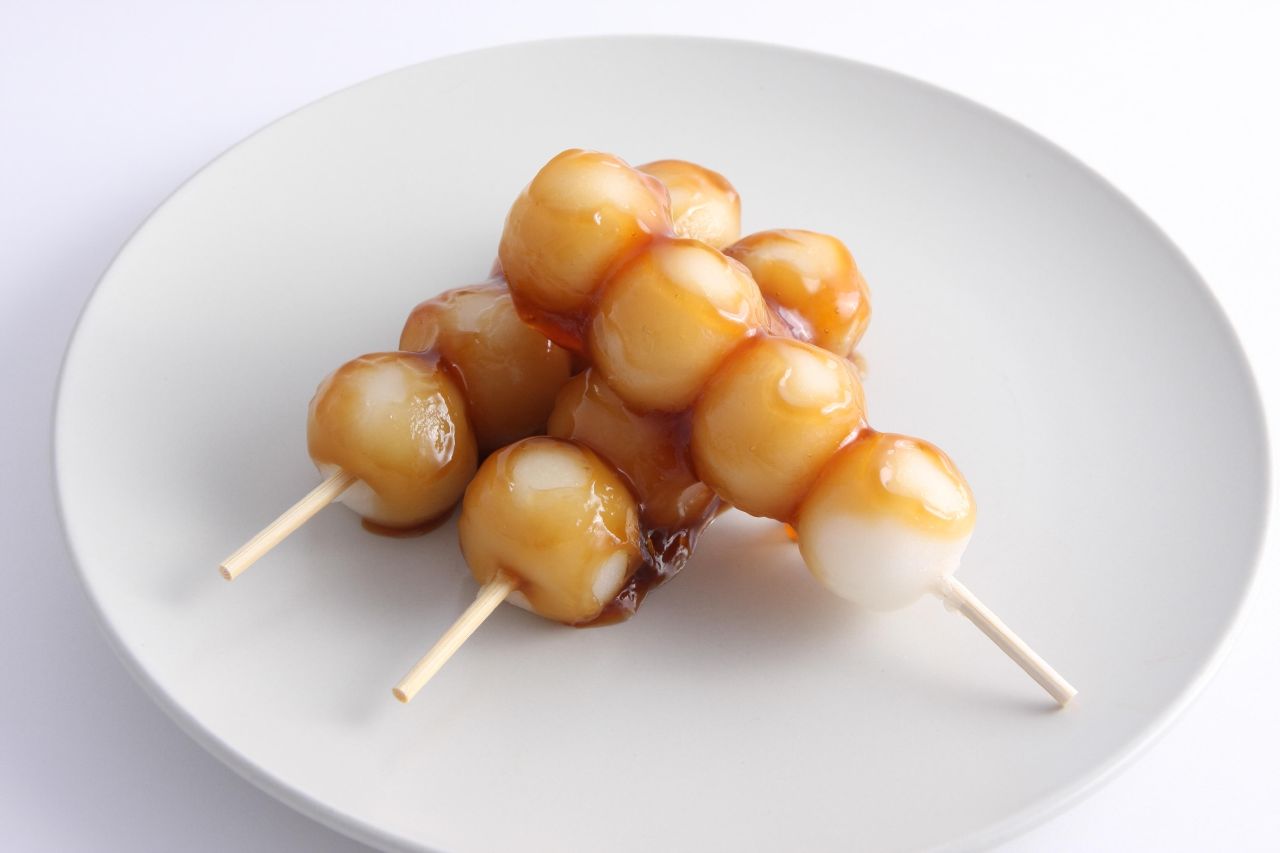
Gohei mochi takes time to grill, so part of the fun is enjoying the savory smoke and the aroma of the sauce while you wait at the storefront. A good time is the early afternoon when you get hungry walking an old highway or driving. The straw-sandal shape is filling even as a single piece, while the dumpling shape suits strolling and snacking, so choose to match the occasion. To round out the taste, the autumn-only kuri kinton of Nakatsugawa in the same Tono area, or Hida mitarashi dango, both pair well. Combine it with the stone-paved streets of Magome-juku and Tsumago-juku or the scenic Ena Gorge, and you can enjoy a mountain-village snack along with the atmosphere of the old highway.
A Quick Tip
The best time to eat it is when the sauce is grilled to a fragrant point just before charring. Paying attention to the differences in nuts such as walnut and perilla in the sauce makes comparing them more enjoyable and brings out each areas character. Freshly grilled skewers are hot, so mind your hand on the stick as you eat.
Practical Information for Your Visit
- Regional differences in the sauce: According to "Our Local Cuisine" by the Ministry of Agriculture, Forestry and Fisheries, the Nakasendo highway roughly marks the dividing line: soy sauce flavors are common to the north and miso flavors to the south, with pockets here and there that combine soy sauce and miso. The shapes vary too, from straw-sandal shapes to flat dumpling shapes and round dumpling shapes.
- Public facilities where you can try it: Roadside station Shizumo (1-14 Yamaguchi, Nakatsugawa City). Its famous "gohei-mochi" sells as many as 2,000 skewers a day at busy times, and the dining hall also serves a "gohei-mochi set meal." The shop is open 8:30 to 18:00 (until 19:00 on Saturdays, Sundays and public holidays) and the light meal counter 9:30 to 18:00. The shop and light meal counter are open every day, the restaurant is closed on Wednesdays, and the whole complex closes over the New Year period.
- Access: About 18 km from the Nakatsugawa IC on the Chuo Expressway along National Route 19 toward Matsumoto and Kiso.
- Points to note: In Ena City it is also served at places such as the roadside station Obachan-ichi Yamaoka, where the sauce is made with walnuts, peanuts or perilla seeds. Both the taste and the shape change from area to area.
Note: Opening hours and prices at individual shops vary from establishment to establishment.
(Sources: Ministry of Agriculture, Forestry and Fisheries "Our Local Cuisine: Gohei-mochi, Gifu Prefecture"; Gifu Prefecture's official tourism site "Gifu Travel Guide," roadside station Shizumo; official website of the Nakatsugawa Tourism Association; Ena City Tourism Association "E-na Ena")
📚 Sources
This article is compiled from Gifu Prefecture's tourism information and information published by the individual shops. Prices and menus vary by shop and are subject to change, so please check each shop's official information for details.
Sightseeing Checklist
- Budget guide: Affordable, from around 100 yen to a few hundred yen per skewer
- Where to eat it: Teahouses, roadside stations and souvenir shops in areas such as Hida and Tono
- Best time of day: From lunchtime to afternoon snack time. Perfect as a street snack while exploring
- Beating the crowds: At popular shops you may have to wait for a fresh batch to be grilled. Allow plenty of time
- Combine it with: A walk around the post towns of the Nakasendo highway, or a stroll through the streets of Hida
📍 Location & Access


Share this article




✍️ About this article
This article is compiled by the Tabitabi JAPAN editorial team from official and primary sources, including facility and shrine/temple websites, tourism information published by municipalities and tourism associations, and cultural-property records released by national and local governments. Prices, opening hours and event dates may change, so please also check the official information of each facility or local government before you visit.