Rainy Day in Ibaraki: Best Indoor Spots & Activities
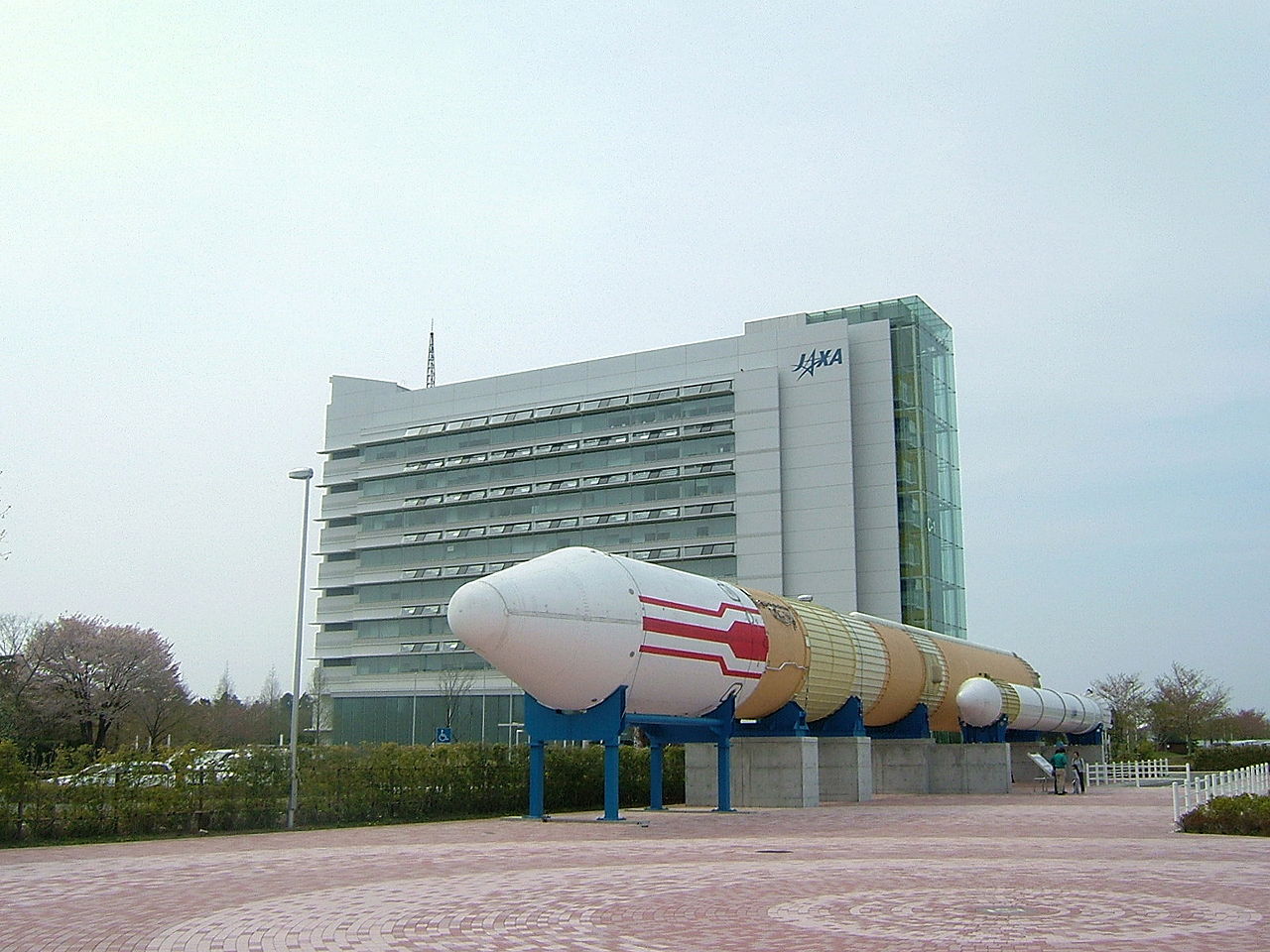
JAXA Tsukuba Space Center
"So space was this close after all" - the moment you step into the facility, those very words are sure to slip from your lips. JAXA Tsukuba Space Center, which could be called the heart of Japan's space development, is one of Ibaraki's premier spots where you can fully enjoy yourself indoors even on a rainy day.
The main attraction is, without a doubt, the exhibition hall "Space Dome," which you can enter for free. A full-scale H-II rocket engine and a model of the Japanese Experiment Module "Kibo" of the International Space Station - the same type as the equipment actually used in space - spread out before your eyes, and the sheer scale leaves you speechless. "This quality for free?" is the reaction of one surprised traveler after another, making it a little-known spot with unbeatable cost performance.
Best Season and Recommended Times: It can be enjoyed throughout the year, but especially on space events and general open days (held several times a year), the guided tours are also enriched, and you may even have the chance to hear directly from researchers. Weekday mornings are relatively empty, letting you savor the exhibits thoroughly.
Tips for Travelers: Checking the general open days in advance on the JAXA official website will make for a more fulfilling visit. Because you walk around the spacious grounds, a raincoat is more convenient than a folding umbrella on rainy days. The guideline for the visit is one to two hours.
Access: About 20 minutes by Kanto Railway Bus from the bus terminal at "Tsukuba Station" on the Tsukuba Express. Get off at the "Tsukuba Space Center" stop; it is right there.
National Museum of Nature and Science, Tsukuba Botanical Garden
Amid the green where raindrops drip, beyond the glass of an enormous greenhouse, a paradise of eternal summer spreads out. This botanical garden, operated by the National Museum of Nature and Science, is actually a little-known fine spot that you should visit precisely on rainy days.
About 3,000 species of plants are cultivated across the vast grounds, but the greatest highlight is, of course, the large greenhouse. Step into the space where tropical and subtropical plants grow thick, and the muggy heat and the sweet scent of flowers envelop your whole body. It doesn't matter that it's raining outside - rather, the moment when you are surrounded by giant baobabs and Amazonian water lilies while watching the rain pattering down through the greenhouse glass is a special time you can experience only here.
Best Season and Recommended Times: In spring (March to April), cherry blossoms and tulips, and in early summer (June to July), tropical water lilies reach their peak, letting you enjoy especially beautiful scenery. The mornings right after opening have few people, and the refreshing scent of the plants is exceptional.
How to Enjoy It Like a Local: The explanatory panels supervised by researchers introduce the mysterious ecology of plants in an easy-to-understand way, naturally drawing in adults and children alike. The museum shop also sells seeds of rare plants and original goods you can buy only here. They make irresistible souvenirs for plant lovers.
Tips for Travelers: Since the greenhouse is high in temperature and humidity, bringing a thin layering piece will be just right. The admission fee is a very reasonable 320 yen for adults (as of 2024), and you can spend a leisurely half-day here. Since it is closed on Mondays, check the official site before visiting.
Access: About 15 minutes by bus from "Tsukuba Station" on the Tsukuba Express; get off at the "Tsukuba Botanical Garden" stop, and it is right there. There is also a parking lot, so access by car is convenient too.
Museum of Modern Art, Ibaraki
A museum standing quietly on the shore of Lake Senba, where the sky is reflected on the water's surface. Visit on a rainy day, and with the sound of rain striking the lake as BGM, you can engage deeply with art - a place like a hideaway for grown-ups.
The Museum of Modern Art, Ibaraki, centers its collection on works by artists connected to Ibaraki, beginning with the master of Japanese-style painting Yokoyama Taikan, who is Ibaraki's pride. The powerful yet delicate brushwork of Japanese-style painting has a "real impact" that can never be conveyed through a smartphone screen. It also holds many masterpieces of Western painting, so even first-time museum visitors will naturally be drawn into the world of the paintings.
The view of Lake Senba seen through the museum's glass windows is not to be missed, either. The atmosphere woven by the rain-hazy lake scenery and the Japanese-style paintings puts you in an indescribably elegant mood.
Best Season and Recommended Times: Special exhibitions are enriched throughout the year, so new discoveries await no matter which season you visit. Especially on weekday afternoons, there are few visitors, and you may have the spacious galleries almost all to yourself. For those who want to enjoy art at leisure, a weekday visit is by far the recommendation.
How to Enjoy It Like a Local: After the museum, the local way is to take a short walk along the shore of Lake Senba right next door. If you walk along the lakeshore when a break in the clouds appears, you can enjoy Mito's nature and culture at the same time. Also, around Mito Station there are scattered long-established Japanese sweets shops, and stopping by for a rest after viewing is recommended.
Tips for Travelers: Admission fees differ between special exhibitions and the permanent collection. Checking the ongoing exhibitions on the official site before your visit and noting the works you have your heart set on will make for a fulfilling time. The museum is barrier-free, so those with small children or elderly companions can view in comfort.
Access: About 5 minutes by bus from the south exit of "Mito Station" on the JR Joban Line and Mito Line, or about a 20-minute walk. The route walking along Lake Senba lets you enjoy the scenery too, so walking it when the rain lets up is a good idea.
Oarai Wakuwaku Science Museum
The scent of the sea breeze and the sound of waves. The "Oarai Wakuwaku Science Museum," built in a superb location facing the sea at Oarai head-on, is a hidden fine spot for rainy days where children and adults alike chorus, "It's way more fun than I thought!"
A unique facility fusing an aquarium with science exhibits, it lets you observe the sea creatures of local Oarai while learning about marine science and the workings of nature in a hands-on way. Of course there are performances by popular stars like sea lions and penguins, and the experience of touching sea creatures directly in the touch pool is sure to make children's eyes sparkle. Adults, too, find themselves returning to childhood and getting absorbed.
Best Season and Recommended Times: During summer vacation and on weekends it gets crowded with families, but on rainy weekdays you can enter relatively smoothly. Visiting in the morning right after opening lets you enjoy it thoroughly while avoiding the crowds.
How to Enjoy It Like a Local: When it comes to Oarai, you can't leave out the fresh bounty of the sea. After the science museum, the local way to enjoy it is to stop by the nearby "Oarai Fish Market" or "Oarai Seaside Station" and savor gourmet food unique to Ibaraki, such as donko soup and monkfish dishes.
Tips for Travelers: Since you may get wet in the touch-pool experience, bringing a change of clothes and a small towel will give you peace of mind. The parking lot is adjacent to the building, so access by car is very convenient. The shop in the museum also has a good selection of souvenirs unique to Oarai.
Access: About a 20-minute walk from "Oarai Station" on the Kashima Rinkai Railway. On the way from the station toward the seaside area, you can also stop by spots such as Oarai Isosaki Shrine. By car, access is good at about 10 minutes from the "Mito Oarai IC" on the Kita-Kanto Expressway.
Tenshin Memorial Museum of Art, Ibaraki
On a cliff overlooking the Pacific Ocean where rough waves crash, that museum stands. The Tenshin Memorial Museum of Art, Ibaraki, located at Izura Coast - the land connected to Okakura Tenshin, called the "father of modern Japanese art" - is a spot that is especially distinctive even within Ibaraki, where art and stunning scenery can be enjoyed at the same time.
The collection bringing together in one place the works of masters who colored the modern Japanese painting world - such as Yokoyama Taikan and Hishida Shunso, who were deeply involved in founding the Japan Art Institute - is, in a word, spectacular. The beauty of viewing Japanese-style paintings with the powerful sound of the waves at your back brings a special emotion you can never experience at a museum in the city.
Furthermore, the view of Izura Coast spreading out through the museum's windows is breathtaking. On rainy days, the wildly surging Pacific looks even more dramatic, and you can feel with your skin why Okakura Tenshin loved this land. Nearby, the Hexagonal Hall (Rokkakudo), which Tenshin designed himself, also remains, so by all means visit it along with the museum.
Best Season and Recommended Times: From autumn through winter, the air becomes clear and the sea's transparency increases, with scenery spreading out like a painting. The rough-wave season of winter is full of power, letting you fully feel the strength of the Izura sea that Tenshin loved. The hours when morning light enters make the exhibition rooms' atmosphere exceptional.
How to Enjoy It Like a Local: Within walking distance of the museum are the remains of the old residence where Tenshin spent his later years and the Hexagonal Hall (reconstructed), letting you enjoy a cultural stroll. The surroundings are dotted with eateries serving seaside cuisine, and the connoisseur's way to enjoy it is to savor the fresh sea bounty of northern Ibaraki while basking in the afterglow of art.
Tips for Travelers: Izura Coast has many windy days, and it gets quite cold especially in winter. Visit with thorough cold-weather protection. The parking lot is free and spacious, so visiting by car is overwhelmingly convenient. The interior has a calm atmosphere; for leisurely viewing, allow one to two hours as a guideline.
Access: About 10 minutes by car from "Otsuko Station" on the JR Joban Line, or going by taxi is convenient. Planning access combining train and taxi in advance will make things go smoothly. From the Tokyo direction, you arrive in about 15 minutes from the "Kita-Ibaraki IC" on the Joban Expressway.
Access Information
Each spot within Ibaraki Prefecture has a different access method by area. Tour them efficiently to match your travel plan.
- JAXA Tsukuba Space Center / Tsukuba Botanical Garden (Tsukuba area): "Tsukuba Station," 45 minutes at the shortest from Akihabara on the Tsukuba Express, is the base. Buses from the station bus terminal to each spot are plentiful, and it is fully possible to tour both in one day.
- Museum of Modern Art, Ibaraki (Mito area): The nearest station is "Mito Station," about 1 hour from Ueno on the JR Joban Line limited express. You can access it by bus or on foot from the station's south exit.
- Oarai Wakuwaku Science Museum (Oarai area): From Mito Station, transfer to the Kashima Rinkai Railway and get off at "Oarai Station," about a 20-minute walk. Visiting Mito and Oarai together is efficient.
- Tenshin Memorial Museum of Art, Ibaraki (Kita-Ibaraki area): From Mito Station
📍 Location & Access


Share this article


✍️ About this article
This article is compiled by the Tabitabi JAPAN editorial team from official and primary sources, including facility and shrine/temple websites, tourism information published by municipalities and tourism associations, and cultural-property records released by national and local governments. Prices, opening hours and event dates may change, so please also check the official information of each facility or local government before you visit.