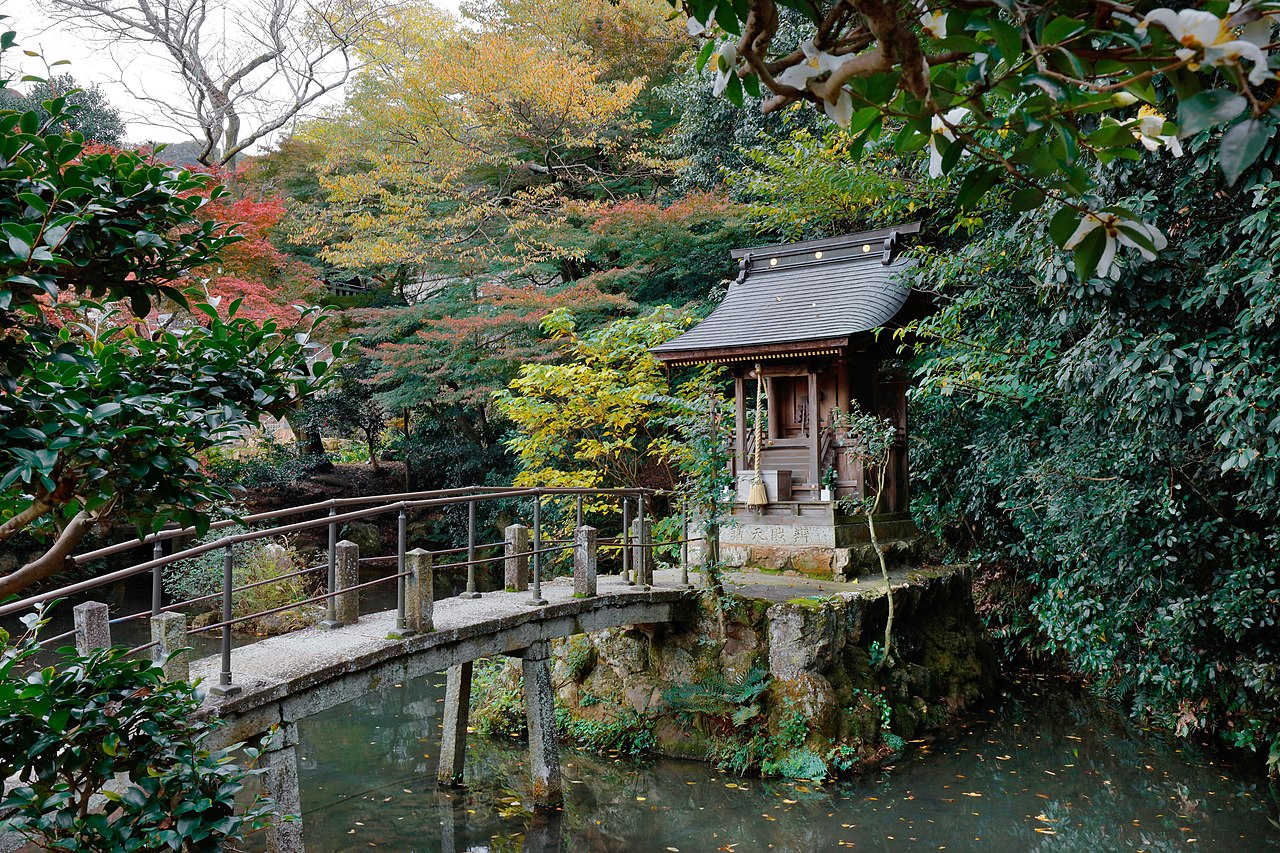
Kokuryu Shrine: A Hidden Fortune Power Spot in the Grounds of Inaba Shrine (Gifu City)
Kokuryu Shrine, tucked quietly within the grounds of the prestigious Inaba Shrine in Gifu City, Gifu Prefecture, is a powerful power spot known to those in the know. Revered since ancient times as "Kokuryu-sama," it is said to have a strong power to sever unwanted ties and draw in new, favorable flows. A steady stream of worshippers come praying for recovery from illness and for breaking through difficult situations.
Highlights
- A Dignified Small Shrine: In contrast to the solemnity of the main Inaba Shrine, Kokuryu Shrine is modest in size yet wrapped in a taut, purified air.
- Faith in Severing Ties and Good Fortune: It is known as a god of fresh starts, visited by those who wish to cut off bad ties or trends and turn their lives around.
- Worship Together with Inaba Shrine: The main Inaba Shrine, which enshrines Inishikiirihiko-no-Mikoto, the first prince of Emperor Suinin and said to be the development deity of this land, is one of the foremost ancient shrines in Gifu. Worshipping at both can bring deeper blessings.
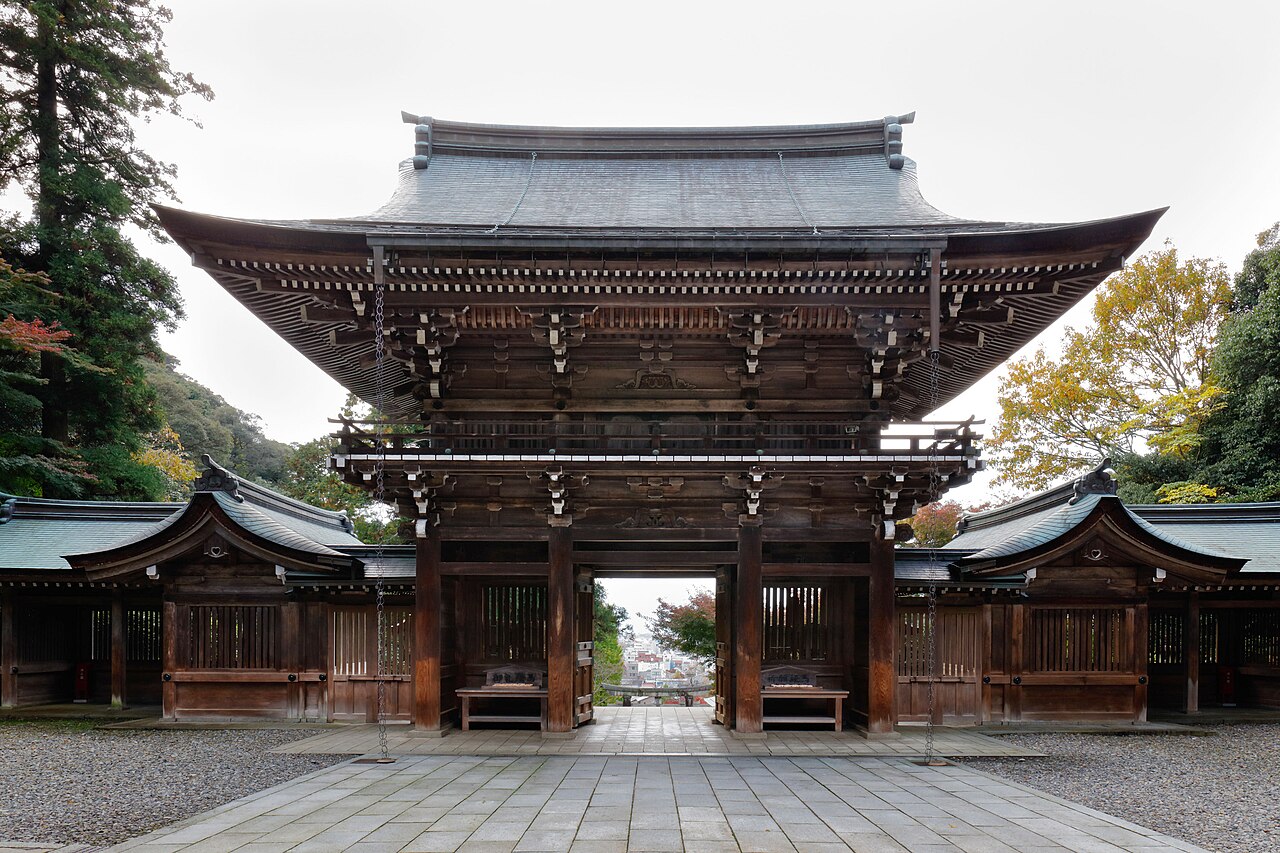
Enjoying the Seasons
The grounds of Inaba Shrine are rich in greenery, with beautiful fresh growth in spring and colorful foliage in autumn, offering the changing faces of the four seasons. The New Year period bustles with first-visit worshippers along with Inaba Shrine, and at the Setsubun Festival in February many hand-held fireworks are offered, filling the grounds with a distinctive fervor. For quiet worship, a weekday morning is recommended.

Access and Basic Information
- Location: 1-1 Inaba-dori, Gifu City, Gifu Prefecture (within the grounds of Inaba Shrine)
- Access: About a 10-minute bus ride from JR Gifu Station or Meitetsu Gifu Station, then a 7-minute walk from the Inaba-dori bus stop
- Hours: Grounds open freely (shrine office staffed during the day)
- Admission: Free
Practical Travel Notes
- Best time and season: As a place to quietly face yourself in purified air, a weekday morning with few worshippers is best. The fresh greenery and autumn foliage seasons make strolling the grounds pleasant too.
- Avoiding crowds: The New Year and Setsubun Festival periods draw crowds along with Inaba Shrine. For a calm visit, avoiding these times is recommended.
- Time needed: Worshipping at Kokuryu Shrine alone takes about 15 to 20 minutes. Touring it slowly with the main Inaba Shrine takes around an hour.
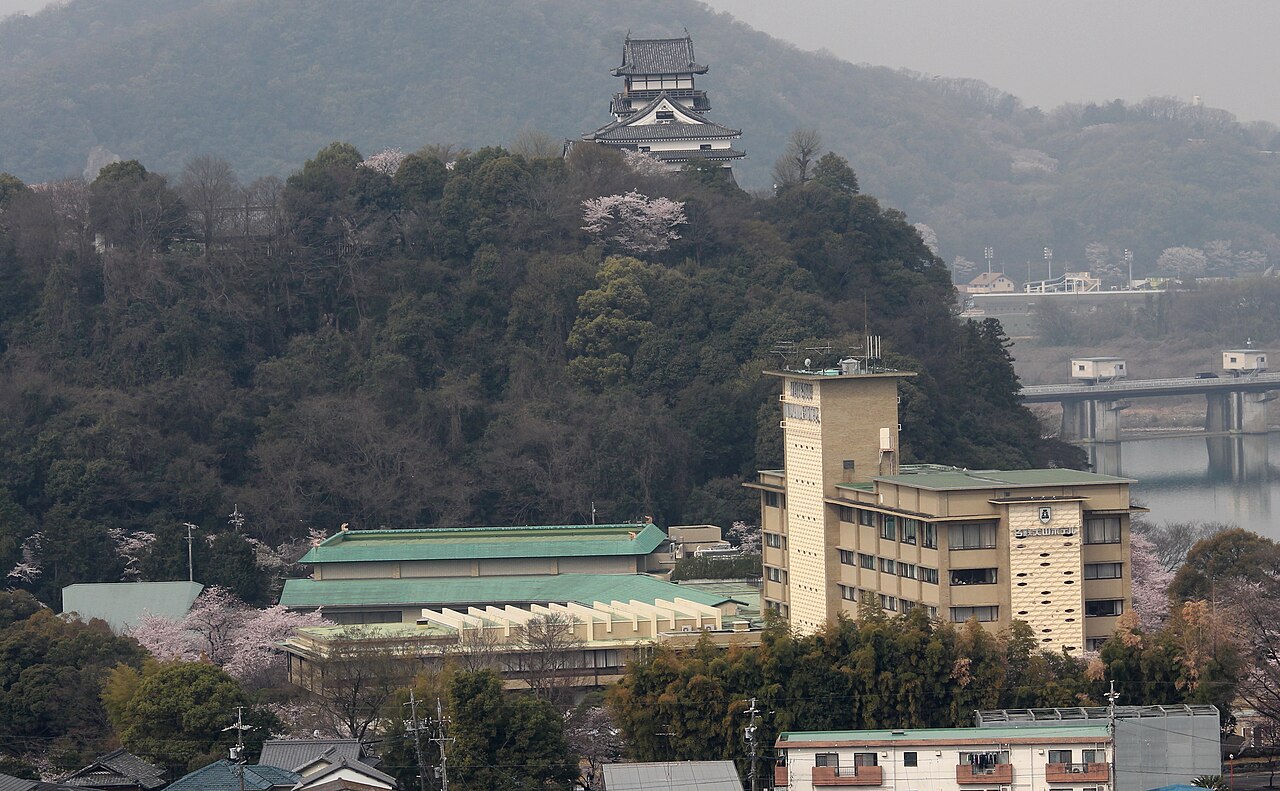
- Nearby stops: The location pairs easily with city landmarks such as Mount Kinka with Gifu Castle, the Nagara River known for cormorant fishing, and the wealth-blessing Kogane Shrine.
- Budget feel: Worship is free. Even receiving an amulet costs a few hundred to around a thousand yen, so it is easy to drop by.
A Quick Tip
Since Kokuryu Shrine sits in a corner of the spacious grounds of Inaba Shrine, take care not to overlook it. It is a spot to visit especially for those wishing for a turning point or a fresh start in life. Touring it slowly together with the main Inaba Shrine is recommended.
📚 Sources
The content here is organized from public information on Kokuryu Shrine and its head shrine Inaba Shrine, Gifu City tourism guidance, and on-site history plaques and signboards. The reception hours of the amulet counter and the schedule of rites may change. Because fees, hours, and access can change, please confirm with official sources before you set out.
Visitor Checklist
- Time needed: About fifteen to twenty minutes to worship at Kokuryu Shrine alone, or around an hour if you also tour the head shrine, Inaba Shrine.
- What to bring: Worship is free, but if you receive amulets or a goshuin seal stamp, having cash is reassuring. The precinct has slopes and stone steps, so wear comfortable shoes.
- Suggested route: Worship at Kokuryu Shrine, then make a paired visit to the head shrine, Inaba Shrine.
- Time-of-day guide: Its dignified quiet is the appeal, so worshiping at less busy hours suits it.
- Combining nearby: The location pairs easily with a stroll around Inaba Shrine and central Gifu.
📍 Location & Access




Share this article


✍️ About this article
This article is compiled by the Tabitabi JAPAN editorial team from official and primary sources, including facility and shrine/temple websites, tourism information published by municipalities and tourism associations, and cultural-property records released by national and local governments. Prices, opening hours and event dates may change, so please also check the official information of each facility or local government before you visit.