
Ayu Cuisine, the Early-Summer Delicacy of the Clear Nagara River
Ayu cuisine is a river-fish dish that represents the blessings of the clear Nagara River flowing through Gifu City. Salt-grilling is the classic preparation, in which the fish is skewered, grilled to a fragrant finish, and eaten whole from head to tail. Raised on quality moss, ayu has a refined aroma often compared to watermelon or cucumber and an innards portion that is pleasantly bitter yet savory, and it is loved as a flavor that colors early summer in Gifu.
Highlights
The Nagara River has long been famous for ayu, and on summer nights the traditional fishing method of cormorant fishing is performed. The dreamlike sight of the cormorant masters and their birds dancing across a river surface lit by bonfires has elevated ayu into something special for Gifu. Besides salt-grilling, varied dishes that use every part of the fish, such as sweet simmering, rice porridge, and dengaku, have been handed down.

Enjoying the Seasons
Ayu is in season from early summer into autumn, and you can enjoy its different faces by season, from the delicate flavor of young ayu to the roe-bearing ayu of autumn. On summer nights when cormorant fishing is held, watching the fishing from a roofed pleasure boat while savoring ayu cuisine is a special experience. Salt-grilled ayu enjoyed by the clear river is truly a seasonal scene of summer in Gifu.
Access and Basic Information
Ayu cuisine can be enjoyed at restaurants and inns along the Nagara River from JR Gifu Station. Gifu City cormorant fishing generally runs from around May 11 to October 15 each year, and during this period many inns let you combine a viewing boat with an ayu meal. Inns offering both cormorant viewing and ayu are clustered around Nagaragawa Onsen, so booking early for summer weekends and holidays is reassuring. Salt-grilled and sweet-simmered ayu are also sold near the station and at souvenir shops, so you can enjoy the taste of the Nagara River at home.
Practical Travel Notes
Cormorant viewing boats set out from dusk into the night, so ayu cuisine can be enjoyed two ways: as a daytime lunch, or as an evening course timed with the fishing. If cormorant fishing is your goal, a good flow is to stroll Gifu Park or the Nagara riverside before sunset, cool off in the river breeze, and then head to your meal. A single salt-grilled ayu is affordable, while an all-ayu course or an inn kaiseki meal is generally in the several-thousand-yen range. To round out the trip, pair it with Hida beef from the Hida area or Ogaki mizu manju, the cool summer sweet, both fitting choices for a Gifu summer. Gifu Castle, reached by the Kinkazan Ropeway, offers sweeping views of the Nagara River and the city, making it a fine walk before or after a meal.
A Quick Tip
The connoisseur's way to eat salt-grilled ayu is to savor it whole from the head, bitterness of the innards included. Visiting between May and October when cormorant fishing is held lets you fully enjoy both the cuisine and the traditional culture. Viewing boats are very popular, so once your dates are set it is wise to inquire early.
Souvenir and Takeaway Tips
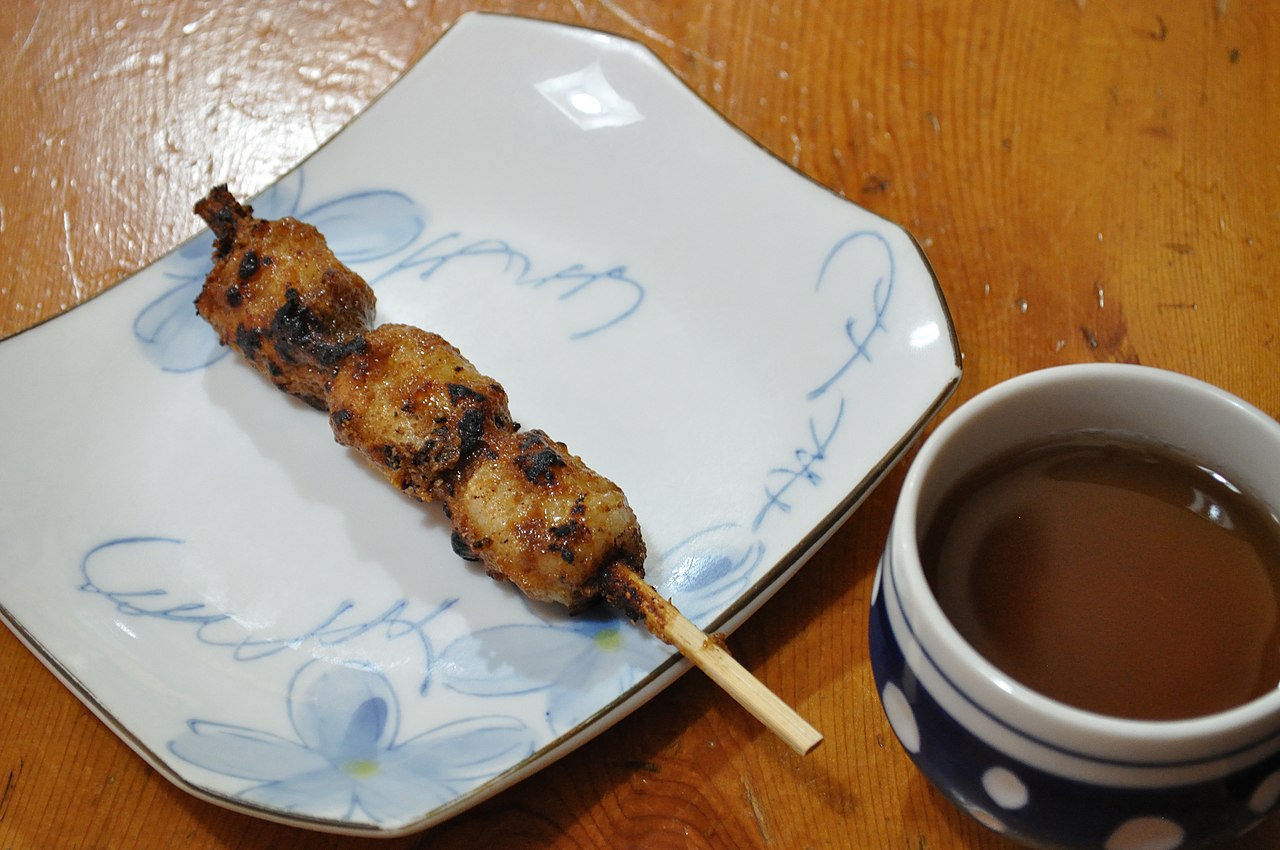
Ayu (sweetfish) cuisine is a summer delicacy of Gifu, epitomized by the clear waters of the Nagara River, and it is most often enjoyed grilled with salt (shioyaki) or simmered in sweet soy sauce (kanroni). Freshly grilled shioyaki does not travel well, but ayu kanroni, overnight-dried ayu, and ayu-gashi (fish-shaped baked sweets) are available at souvenir shops and by mail order, and the processed items that keep well are welcomed as gifts. Fragrant shioyaki, slowly grilled over charcoal, is exceptional when eaten at a riverside restaurant.
Sightseeing Checklist
- Budget guide: From a few hundred yen for a salt-grilled fish, or from a few thousand yen for a course
- Where to eat it: River-fish restaurants in Gifu Prefecture, including along the Nagara River
- Best time of day: Lunch or dinner; the season is early summer through summer
- Avoiding the crowds: Evenings in the cormorant fishing season are busy, so a reservation is recommended
- Combine it with: Nagara River cormorant fishing, and sweetfish simmered in soy sauce or ayu-shaped sweets as souvenirs
📚 Sources
This article is compiled from tourism information for Gifu Prefecture and information published by the individual restaurants. Prices and menus differ by restaurant and may change, so please check the official information of each restaurant for details.
📍 Location & Access



Share this article




✍️ About this article
This article is compiled by the Tabitabi JAPAN editorial team from official and primary sources, including facility and shrine/temple websites, tourism information published by municipalities and tourism associations, and cultural-property records released by national and local governments. Prices, opening hours and event dates may change, so please also check the official information of each facility or local government before you visit.