
Gifu Autumn Foliage: Shirakawa-go, Hida-Takayama & Tsukechi Gorge
About Autumn Foliage in Gifu
Where mountain ranges fold over one another, autumn in Gifu brings a season of breathtaking beauty that stands out even among all of Japan. The gradient of brocade colors created by the region's varied elevations—flaming crimson maples, soft orange oaks, and golden ginkgo trees that shine against a clear sky—vividly color the valleys and old townscapes. The drama of these colors leaves a deep impression on every visitor as a "live emotion" that photographs and videos can never fully convey.
The best viewing period is usually early October to late November. The coloring begins in the high-altitude Hida region and the foliage front gradually descends toward the south, so touring multiple spots while shifting your timing is how Gifu connoisseurs enjoy the season. If you plan your schedule with this "foliage front journey" in mind, you can encounter completely different breathtaking scenery no matter how many times you visit from October through November.
Many travelers visit during this season, so rather than only the standard famous views, go and discover the secret scenery known only to locals. A little effort to avoid the crowds, the clear air of early morning, mountain foliage viewed from an open-air bath—Gifu's autumn holds unforgettable travel memories in even the most casual of moments.
Shirakawa-go
A World Heritage village of gassho-style farmhouses wrapped in vivid autumn foliage—once you see this scene, it will surely become a travel memory you will never forget for the rest of your life. When the surroundings of the Ogimachi village, with its rows of steeply pitched thatched roofs, are dyed in red and yellow, you may even feel as though you have wandered into a fairy tale from some distant foreign land. The moment when a village built up over hundreds of years overlaps with the yearly rhythms of nature is, without exaggeration, one of the highest peaks of the beauty of autumn in Japan.
What we especially recommend is the view from "Shiroyama Viewpoint," which looks down over the village. The gassho-style village spreading out below and the foliage covering the mountainside behind it spread out like a single painting. The viewpoint is about a 10-15 minute walk from within the village. The panorama waiting at the end of a slightly breathless slope will instantly blow away the fatigue of the climb. And if you are lucky, you may even encounter the dreamlike sight of the village floating in the morning mist. If you visit, the early morning before 8 a.m. is by far the best. There are few tourists, and in the clear morning air you can have the foliage and the original scenery of Shirakawa-go all to yourself.
As a way to enjoy it like a local, please consider an overnight stay at a guesthouse within the village. The hushed stillness of the village at dusk or just before dawn, which cannot be tasted on a day trip, is exceptional. After the tourists have withdrawn, only the smell of smoke from the hearths and the distant rumble of the mountains remain, and you can experience the feeling of quietly touching life as it was hundreds of years ago. Also, the reflection of the foliage mirrored on the surface of the Sho River, viewed from "Deai Bridge" within the village is known as a hidden angle that photo lovers cannot resist. Aim to visit in the early morning hours when the angle of the light is most beautiful.
Best viewing guide: late October to mid-November Recommended time of day: early morning before 8 a.m. / the viewpoint is also stunning right after sunrise
Access
- By train + bus: About 50 minutes from JR Takayama Main Line "Takayama Station" via the Nohi Bus Shirakawa-go line. From the Nagoya and Kanazawa directions, the route taking a highway bus directly to the Shirakawa-go Bus Terminal is also convenient. The highway bus from Nagoya takes about 2 hours 30 minutes, and from Kanazawa about 1 hour 15 minutes as a guide.
- By car: Right off the "Shirakawa-go IC" on the Tokai-Hokuriku Expressway. From central Takayama it is about 50 minutes via National Route 156.
- Notes for the foliage season: Weekends from late October to early November are especially crowded. Parking lots often fill up from early morning, so we strongly recommend arriving by 9 a.m. or using public transportation. Guesthouse guests can often have the staff guide them to parking, so confirm in advance when staying. Warm clothing is essential; in the mountains, mornings and evenings can drop below 10°C. Choose layered clothing and shoes that won't slip on wet stone pavement.
Hida Takayama
The season when the charming old townscape known as "Little Kyoto" and the surrounding Hida mountains are dyed in autumn colors may be when Hida Takayama shines brightest all year. Walk the stone-paved alleys of Sannomachi, lined with old merchant houses, and you can enjoy the elegant scene of colored leaves swaying in the wind, along with the sensation of having slipped back to the Edo period. Strolling an alley where red shop curtains and autumn leaves blend together while munching on mitarashi dango—just that alone creates a moment when you truly feel glad to have come on this trip.
To dynamically enjoy nature's foliage, extend your trip to the hiking courses around "Mount Norikura" and the "Shinhotaka Ropeway." In the high-altitude Shinhotaka area, the coloring begins in early October, and the view from the ropeway, known as one of Japan's leading foliage spots, is spectacular in a word. The sight of the Northern Alps mountainsides spreading below, dyed in a mosaic of red, orange, and yellow, is truly breathtaking. The Shinhotaka Ropeway is about 1 hour 15 minutes by Nohi Bus from Takayama Station. Because numbered tickets may be required for the ropeway during peak foliage, the rule of thumb is to head to the site early, aiming for the first service.
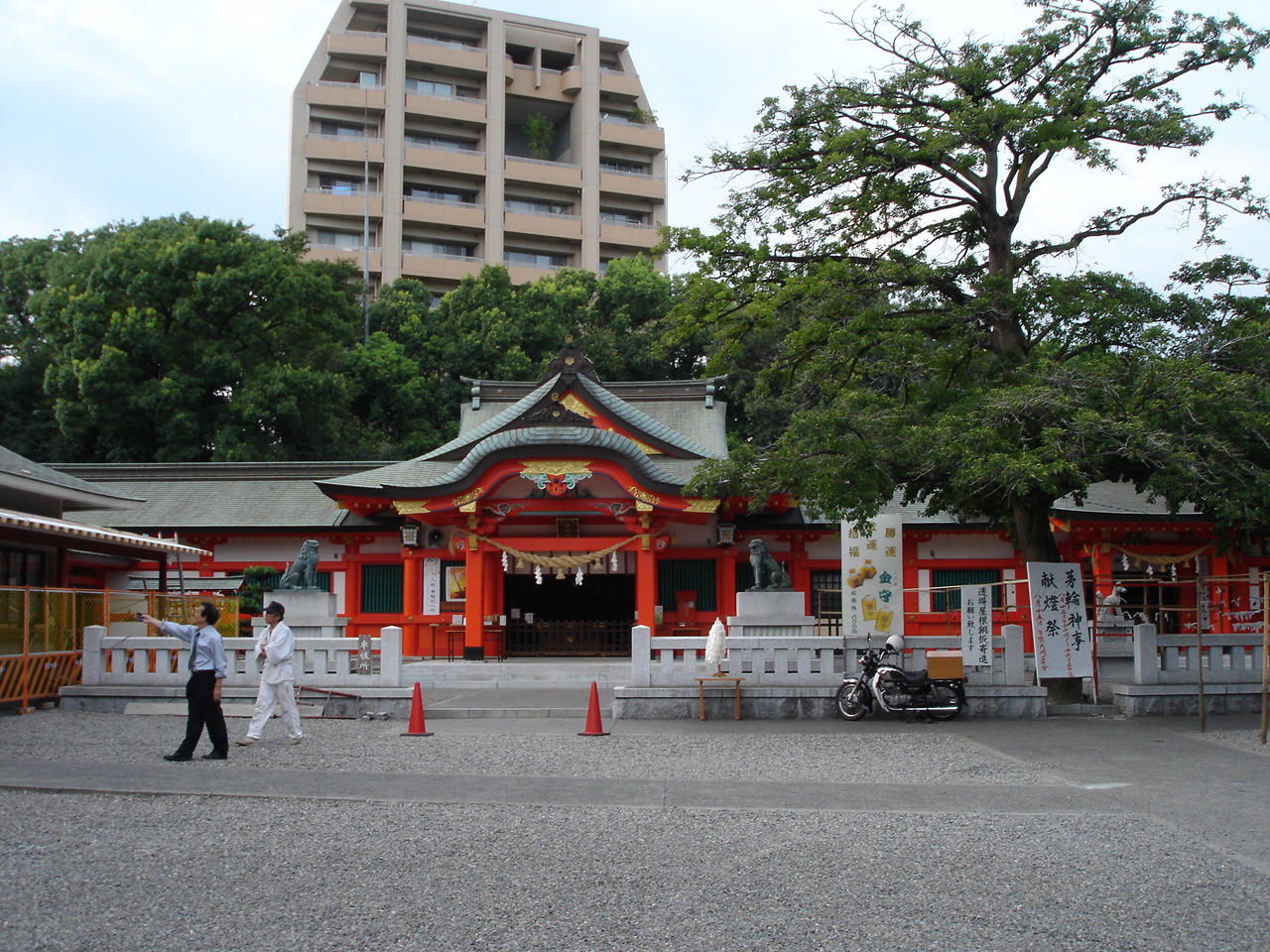
A hidden spot in central Takayama that locals unanimously recommend is the precincts of "Hida Gokoku Shrine." Though located close to the tourist-heavy Sannomachi, it is quiet, and the sight of large ginkgo and maple trees coloring the approach is quietly beautiful, letting you enjoy the foliage in a calm setting. The stillness of walking while treading the fallen leaves piled on the approach is like a refuge for the heart when you are tired of the crowds. Between strolls, buying and snacking on local pickles and Hida apples at the morning market near Takayama Jinya is one of the joys of travel. The morning market starts early, so visiting right after opening, during its lively hours, is recommended.
Best viewing guide: early October to early November (the urban area from late October) Recommended time of day: Sannomachi is quiet and beautiful in the early morning before shops open / for Shinhotaka, aim for the first ropeway
Access
- By train: JR Takayama Main Line "Takayama Station" is the hub. About 2 hours 15 minutes from Nagoya on the limited express "Hida," and about 1 hour 20 minutes from Toyama. From Shin-Osaka, a direct "Hida" limited express also runs, arriving in about 4 hours.
- By car: About 10 minutes from the "Takayama IC" on the Chubu-Jukan Expressway to the urban area. To the Shinhotaka area, about 1 hour from central Takayama via National Route 471.
- Notes for the foliage season: On weekends, parking around Sannomachi gets crowded. Temporary parking lots are set up in several places in the city, so checking the locations in advance on the Takayama City tourism information site is reassuring. For sightseeing in the urban area, parking near Takayama Station and getting around on foot or by bicycle is efficient. Rental bicycles can be easily borrowed in front of the station. Comfortable walking shoes and rainwear to prepare for sudden weather changes in the mountains are essential.
Tsukechi Gorge
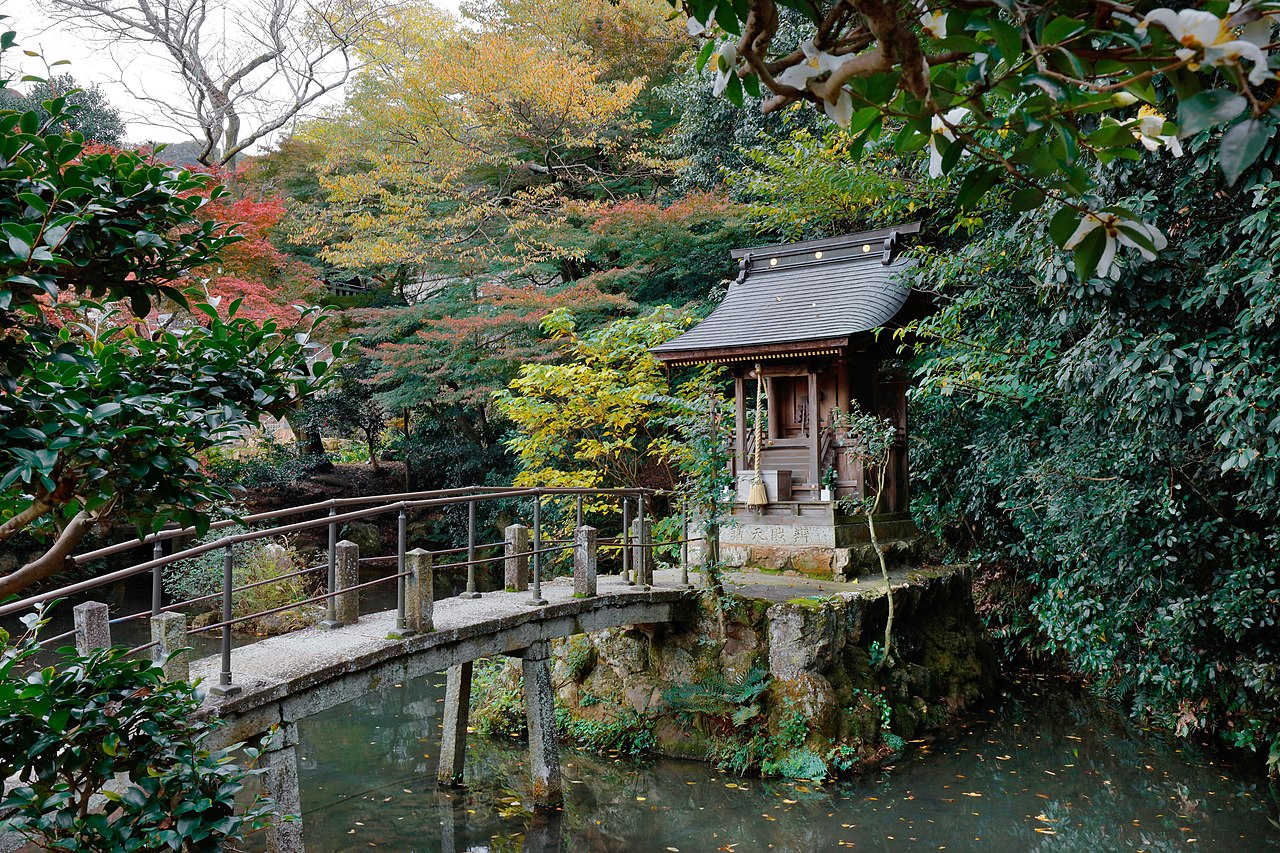
When talking about Gifu's foliage, the place we want more people to know about is this Tsukechi Gorge. Tucked quietly away in the mountains of Nakatsugawa City, this gorge's charm is the breathtaking scenery woven by the trinity of its clear blue-green stream, sheer cliffs, and flaming foliage. Because there are fewer tourists than at Shirakawa-go or Takayama, you can taste the quiet emotion of having discovered your own secret scenery. A weary traveler tired of the crowds suddenly stops by and has their heart stolen—the gorge holds that kind of "known only to those in the know" charm.
Walking along the trail beside the gorge, new viewpoints appear with every step, including around "Fudo Falls" and "Onpoi no Yu." Fudo Falls is a powerful waterfall about 30 meters high, and in the foliage season, the waterfall's spray overlaps with red and yellow maples, spreading out a sight that takes your breath away. Especially during the morning hours when the light pours in, the surface of the clear stream sparkles, and the colors of the foliage stand out more vividly. Walking enveloped in the sound of water echoing through the gorge and the scent of the trees carried on the wind, you feel a pleasant sense of the everyday hustle receding. The trail is generally well maintained, but there are some steep steps and narrow sections, so it is recommended to walk slowly with plenty of time to spare.
A hidden way to enjoy it that is loved by locals is "Onpoi no Yu" (a day-trip hot spring in Tsukechi Town), which you stop by after strolling the gorge. The blissful moment of soothing your tired body while gazing at the mountain trees colored with foliage from the open-air bath is truly fitting as the climax of an autumn trip in Gifu. After your bath, there is also an attached dining area using local ingredients, so a plan to leisurely enjoy a full day—from gorge strolling to lunch to hot spring—is the local-style correct answer.
Best viewing guide: late October to mid-November Recommended time of day: morning (when light pours into the gorge and the stream's sparkle is at its maximum)
Access
- By train + bus/taxi: About 40 minutes by Kita-Ena Kotsu bus toward Tsukechi from JR Chuo Main Line "Nakatsugawa Station," then about 15-20 minutes by taxi or on foot from the "Tsukechi" bus stop to the gorge entrance. Buses are infrequent, so check the timetable in advance before setting out. If using a taxi from Nakatsugawa Station, figure about 30-35 minutes.
- By car: About 30 minutes from the "Nakatsugawa IC" on the Chuo Expressway. There is a free parking lot near the gorge entrance. Even in foliage season you can park relatively smoothly, but on clear weekends from late October to early November, aim to arrive early.
- Notes for the foliage season: Some sections of the gorge trail have slippery wet stone pavement, so wearing trekking shoes with good grip is reassuring. There are not many restaurants nearby, so bringing a light meal or using the dining area at "Onpoi no Yu" is recommended. Also, because the gorge is deeply shaded by trees, it can feel chillier than the temperature suggests. Be sure to bring an extra layer you can throw on.
Best Viewing Times and How to Enjoy the Foliage
Gifu's foliage season lasts about two months, from early October to late November. The coloring begins in order from the high-altitude Shinhotaka and Norikura areas, then moves to the urban areas of Shirakawa-go and Hida Takayama, and finally to Tsukechi Gorge—the characteristic of Gifu's foliage is that the best viewing times shift as you descend southward. If you plan your route with this "flow of the foliage front" in mind, you can encounter different breathtaking scenery no matter how many times you visit from October to November.
One thing to keep in mind when planning your trip is "moving first thing in the morning." At every spot, visiting in the early morning before tourists begin to stir lets you enjoy the foliage in the most beautiful light while avoiding the crowds. Even if it is crowded during the day, by 8 a.m. silence spreads—that is the "golden rule of travel" common to Gifu's foliage spots. Also, the latest coloring information for each spot is updated regularly on the sites of the Gifu Prefecture Tourism Federation and each municipality's tourism site, so checking before departure is reassuring.
The gassho-style houses and foliage of Shirakawa-go, the old townscape and Northern Alps views of Hida Takayama, and the gorge beauty of Tsukechi Gorge brimming with a sense of seclusion—by touring these three spots, each with a completely different expression, you should be able to fully feel the depth of autumn in Gifu. There are very few places where such diverse emotions await within the same prefecture. This autumn, by all means, head to Gifu. A foliage journey that stays in your heart is waiting for you.
Practical Information for the Autumn Foliage Season (Based on Official Announcements)
Shirakawa-go: No Cars in the Village Between 9 a.m. and 4 p.m.
The first thing to know is that tourist vehicles are banned from entering the settlement between 09:00 and 16:00 — and that includes taxis and rental cars. During those hours, the Ogimachi gassho-zukuri (straw-thatched farmhouse) settlement is designed to be explored on foot.
The observation-deck car park has also been closed since 28 December 2023. To reach the Ogimachi Castle Ruins Observation Deck — the spot famous for those bird's-eye photographs — you will need to take the shuttle bus (one way ¥300; last upbound bus 15:40) or walk up. The 15:40 last upbound bus is easy to overlook, and arriving late in the day may mean having to forgo the observation deck.
The village-managed Seseragi Park Car Park cannot be reserved in advance, and the fee was revised to ¥2,000 in October 2025. It opens at 08:00 and closes at 17:00. Because advance booking is not possible, the only option during busy periods is to arrive early. As for the expressway bus, reservations become mandatory from 1 December 2026, meaning no reservation is required between 1 June and 30 November 2026 — so for autumn 2026, you can board on the day.
The foliage peak is late October to early November. Note that Shirakawa-go sits at altitude, so colour comes earlier than you might expect.
On autumn illuminations: The full-village illumination of the gassho-zukuri settlement is a winter event (January and February). In autumn, illumination is limited to the open-air museum "Gassho-zukuri Minkaen" and runs for only a few days. Entry: ¥800. In 2024, the event was cancelled due to a bear sighting. Given that the event may not take place at all in a given year, it is safer not to book accommodation specifically to see it.
The Hakusan Shirakawa-go White Road is open until 10 November (motorcycles prohibited). If you want to include a foliage drive on this route, that date is your deadline.
Hida Takayama: Two Kinds of Night-time Event
Takayama has two things worth seeing on autumn evenings, and they are quite different in character.
- Hida no Sato (Hida Folk Village) Illumination: In 2026, weekends and public holidays only from 10 October to 8 November, 17:30–20:30. Entry ¥300; car park free. The highlight is the reflection of the gassho-zukuri farmhouses in the pond.
- Nakabashi Bridge Illumination: Every evening from 1 October to 30 November, 17:30–21:00. Free. The red Nakabashi Bridge is the classic photogenic scene.
Hida no Sato is weekends and public holidays only, so if you are staying on a weekday, Nakabashi is your only option.
Foliage in central Takayama typically peaks in early to mid-November, but the great ginkgo tree at Hida Kokubunji Temple is later — late November to early December. Even after the rest of the city's colour has faded, there is still a chance of catching this tree.
Miyagawa Morning Market: 07:00–12:00. The autumn Takayama Festival (Hachiman Matsuri) is held annually on 9 and 10 October — fixed dates, so the day of the week varies each year.
Tsukecho-kyo Gorge: There's a Live Camera for the Car Park
The foliage peak at Tsukecho-kyo is late October to early November, with the peak typically around 10 November. The Fudo Park nature trail is approximately 800 m, taking about 40 minutes for a full loop. Think of it as a half-day stop you can pair with other attractions, not a full-day destination in itself.
The Fudo Park car park has a live camera, letting you check how busy it is before you set out. In May 2025, an additional car park was opened 1.5 km before Fudo Park. Capacity and charges for this new car park are not published on any official source.
For sat-nav users, entering "6-39 Tsukecho, Nakatsugawa-shi, Gifu" is the most reliable way to navigate.
Checklist Before You Go
- [ ] No cars inside Shirakawa-go between 09:00 and 16:00 (including taxis and rental cars)
- [ ] Observation-deck car park is closed. Shuttle bus one way ¥300; last upbound 15:40
- [ ] Shirakawa-go car park cannot be reserved (¥2,000 / 08:00–17:00). Arrive early — there is no alternative.
- [ ] Autumn 2026 (1 June–30 November): expressway bus no reservation needed. Reservation system starts 1 December 2026.
- [ ] The autumn illumination is museum-only, a few days only, and may be cancelled. Do not book accommodation specifically for it.
- [ ] White Road closes 10 November
- [ ] Hida no Sato illumination is weekends and public holidays only. On weekdays, Nakabashi (free, every night) is the alternative.
- [ ] The great ginkgo at Hida Kokubunji Temple peaks late November to early December — later than the rest of the city
- [ ] Check the live camera at Fudo Park car park before setting out for Tsukecho-kyo
Information Sources
Shirakawa Village / Shirakawa-go Tourism Association / Seseragi Park Car Park official site / Gassho-zukuri Minkaen official site / Hakusan Shirakawa-go White Road official site / Hida Takayama Tourism official site (Takayama City Tourism Division) / Hida Minzoku-mura Hida no Sato official site / Nakatsugawa City / Nakatsugawa City Tourism Association
*Dates and prices are subject to change. Please check the latest information on each official website before you set out.*
📍 Location & Access




Share this article


✍️ About this article
This article is compiled by the Tabitabi JAPAN editorial team from official and primary sources, including facility and shrine/temple websites, tourism information published by municipalities and tourism associations, and cultural-property records released by national and local governments. Prices, opening hours and event dates may change, so please also check the official information of each facility or local government before you visit.