
Tannaisan Shrine, an Ancient Sanctuary of the Arahabaki Deity in Hanamaki
Set in Yachi, Towacho, Hanamaki City, Tannaisan Shrine is an ancient sanctuary known mainly to those in the know. Shrine tradition holds that it was founded by Nikko, a disciple of the great monk Kobo Daishi Kukai, and that it was once called Daishoji. It is said to have been deeply revered by leading warriors of their ages such as Sakanoue no Tamuramaro and Minamoto no Yoriyoshi, marking a long history.
In recent years the shrine has drawn attention for the giant Arahabaki deity rock that serves as its sacred body. The rock has a cave-like hollow, and legend says that if you pass through it without touching the walls, your wish will come true. It is a place wrapped in a distinctive air that carries echoes of ancient nature worship.
Highlights
- The giant Arahabaki deity rock, where passing through without touching the walls is said to grant wishes
- The long history and lineage said to begin with a disciple of Kobo Daishi Kukai
- The main hall, said to have been rebuilt around 1804, is adorned with fine and intricate carvings worth a close look, and the shrine holds several cultural properties including a wooden standing statue of the Eleven-Headed Kannon
- The Seven Wonders, a set of local legends scattered across the grounds to seek out
- Traditional performing arts are handed down here, including the Miyako Kagura (Tannai Kagura), designated an intangible folk cultural property of Iwate Prefecture

Enjoying the Seasons
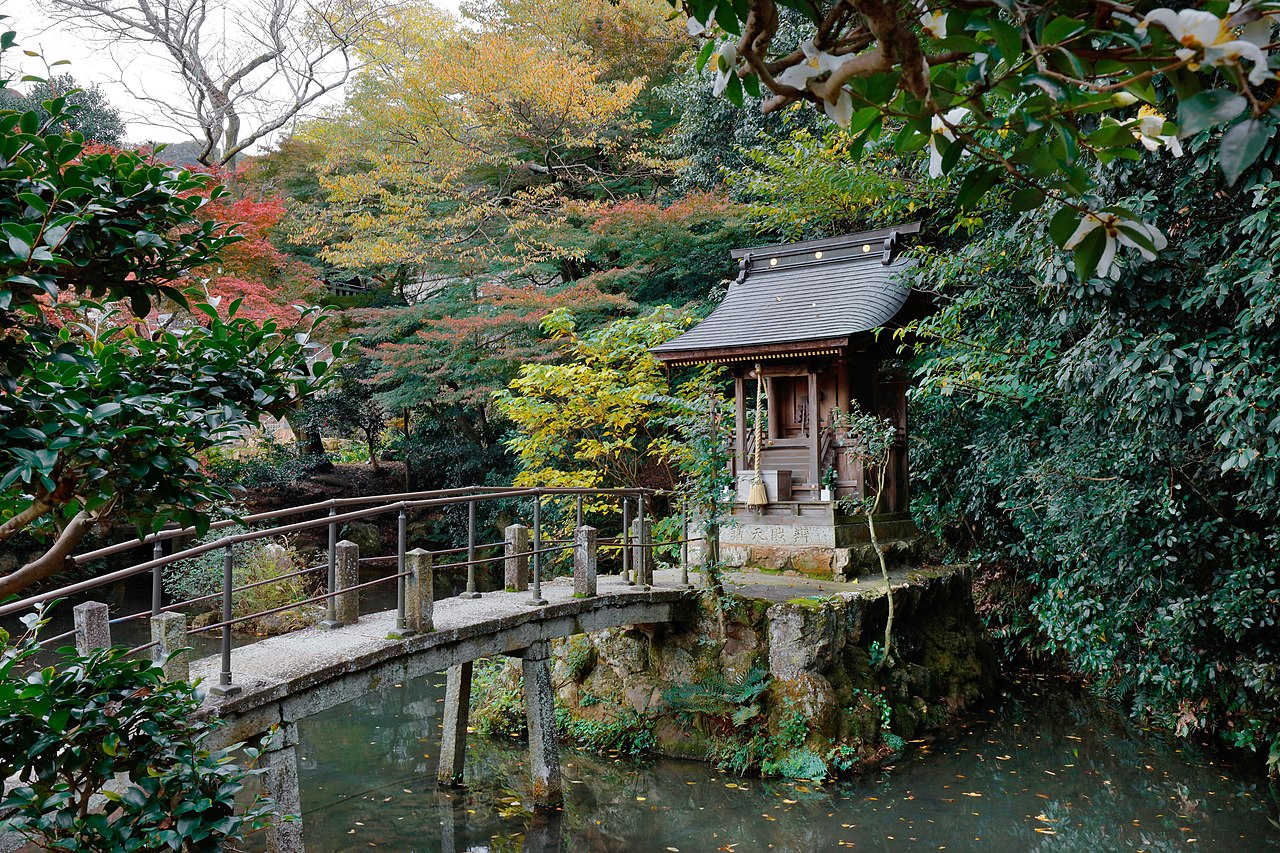
In spring the trees around the grounds bud and fresh greenery spreads through the quiet hills. In summer deep green surrounds the site and the air around the great rock stays cool. Autumn leaves enhance the mood of the old shrine and color the approach. In winter, snow dresses the hall and the boulder in a mysterious and dignified form.

Access and Basic Information
- Location: 2-303 Yachi, Towacho, Hanamaki City, Iwate Prefecture
- Access: About 10 minutes by car from JR Kamaishi Line Tsuchizawa Station, and about 15 minutes by car from the Towa interchange of the Kamaishi Expressway, making it easy to reach by car
- Free to visit, no admission fee
- Parking is available. Public transport is limited, so traveling by car is convenient
Practical Travel Notes
- Best season: Fresh green in May and June and the autumn foliage of October and November, when the approach turns color, are especially beautiful. For a quiet encounter with the great rock, a weekday with fewer people is recommended.
- Time needed: Visiting the main hall and the giant rock and seeking out the Seven Wonders takes about 30 minutes to an hour. Combining it with nearby Hanamaki sightseeing rounds out a half-day to full-day plan.
- Passing through the rock: The sacred giant rock is said to grant wishes if you pass through without touching the walls. The gap can be narrow with unstable footing, so do not force it and proceed carefully according to your build and condition.
- Real nearby spots: Within the same Hanamaki City are many sights such as the Miyazawa Kenji Fairy Tale Village and the Miyazawa Kenji Memorial Museum, which bring the world of the poet Kenji Miyazawa to life, the Hanamaki hot spring district, and sites connected to Kenji. You can tour the nature and culture of Hanamaki together with Tannaisan Shrine.
- Budget feel: Visiting is free. Even adding a day-use hot spring bath or a meal at Hanamaki Onsen, this is an easygoing one-day course if you have a car.
A Quick Tip
When passing through the giant rock, take care literally not to touch the walls. Keeping the wish-making manners in mind makes the visit feel all the more special. The surroundings are a quiet mountain hamlet with limited public transport, so visiting by car is reassuring. Allow plenty of time to feel the presence of ancient faith.
📚 Sources
This article was compiled by our editorial team based on the shrine history of Tannaisan Shrine and on-site guidance, public information from the city of Hanamaki and the Hanamaki Tourism Association, public information about the main hall and cultural properties, and general information about the Miyako Kagura (Tannai Kagura). The operation of nearby Hanamaki sightseeing facilities and the Hanamaki hot spring area may change. Fees, hours, and access may also change, so before you set out please check the official information such as the Hanamaki Tourism Association.
Visitor Checklist
- Estimated time needed: about 30 minutes to 1 hour including worship at the main hall and the great rock and a tour of the seven wonders; half a day to a full day combined with Hanamaki sightseeing
- What to bring and prepare: public transport is limited, so a visit by car is convenient. The rock passage can be narrow with unstable footing, so wear comfortable shoes and practical clothing
- Suggested route: worship the sacred great rock of Arahabaki Okami and the finely carved main hall and tour the seven wonders, combined with the Miyazawa Kenji Fairy Tale Village and Memorial Museum and the Hanamaki hot spring area in the same city
- A note on the rock passage: it is said that passing through without touching the walls grants a wish, but the space can be narrow with unstable footing, so proceed carefully according to your build and condition
- For quiet reflection: a weekday with fewer people is recommended
📍 Location & Access


Share this article


✍️ About this article
This article is compiled by the Tabitabi JAPAN editorial team from official and primary sources, including facility and shrine/temple websites, tourism information published by municipalities and tourism associations, and cultural-property records released by national and local governments. Prices, opening hours and event dates may change, so please also check the official information of each facility or local government before you visit.