
Rainy Day in Kagawa: Best Indoor Spots & Activities
Kagawa Prefectural Higashiyama Kaii Setouchi Art Museum (Kagawa Kenritsu Higashiyama Kaii Setouchi Bijutsukan)
It is on days when raindrops trace their way down the window glass that you truly feel the worth of this museum — so much so that you want to call it, without hesitation, "a museum made for rainy days."
The Kagawa Prefectural Higashiyama Kaii Setouchi Art Museum, which centers its displays on the woodblock print collection of Higashiyama Kaii, a master of Japanese-style painting, stands quietly on a hilltop in Sakaide City with a sweeping view over the Seto Inland Sea. The moment you step inside, the first thing that takes your breath away is the beauty of the space itself. Designed by the architect Yoshio Taniguchi, this refined museum lets you engage deeply with the "landscapes of stillness" that Higashiyama Kaii spent his whole life painting, with the sound of the rain outside as background music — it feels almost like a meditation space.
The mist-veiled forests and waterside scenes depicted in his representative prints overlap uncannily with the atmosphere of the Seto Inland Sea on a rainy day, bringing an emotion quite different from what you would feel on a clear day. The museum shop is well stocked with exhibition catalogs and postcards as well as original goods using Higashiyama Kaii motifs, so lingering longer than planned is all but guaranteed.
Best Season and Recommended Times Spring (March to April) and autumn (October to November) often see special exhibitions, making the displays even richer. The morning hours right after opening are relatively uncrowded, so you can view the works at your own pace in a quiet atmosphere — a recommended time to visit.
How Locals Enjoy It If the clouds break, do not miss the superb view of the Great Seto Bridge and the Seto Inland Sea from the terrace. Immersing yourself in the world of Higashiyama Kaii while looking out over the sea is an experience you can have only in Kagawa. Taking a break at the museum cafe while gazing at the rainy Seto Inland Sea is equally special.
Access About 15 minutes by bus from JR Sakaide Station (take a bus bound for Setoohashi Kinen Koen). By car, about 10 minutes from Sakaide IC. There is a parking lot, so coming by car is especially recommended on rainy days.
Tips for Travelers The museum is closed on Mondays (the following day if Monday is a public holiday), so do not forget to check the schedule. It is rarely crowded — even on weekends you can view the works in a relaxed way, making it something of a hidden gem. Audio guides are available for loan, so do make use of them.
Kotohira-gu Shrine Treasure House and Takahashi Yuichi Gallery (Kotohira-gu Homotsukan / Takahashi Yuichi Kan)
Kotohira-gu Shrine, affectionately known as "Konpira-san," is famous for the 785 stone steps leading up to the main shrine, but there are lesser-known attractions that deserve a visit precisely on a rainy day. They are the Treasure House (Homotsukan) and the Takahashi Yuichi Gallery, both located partway up the approach.
The Treasure House, which stands beside Asahi-sha at the 365th step, holds several hundred precious cultural properties dedicated to Kotohira-gu, including paintings, crafts, and arms and armor. The highlight is "Yuko-zu" (Tigers at Play), the partition paintings by Maruyama Okyo. The breathtakingly lifelike gaze of the tigers still overwhelms viewers today, centuries later.
Adjoining the Treasure House, the Takahashi Yuichi Gallery is a rare institution found nowhere else in Japan, devoted to the works of Takahashi Yuichi, the pioneer of Western-style painting in Japan. Beginning with a reproduction of his masterpiece "Salmon," you can see up close the brushwork of an artist who wrestled with Western painting throughout the turbulent Meiji era. Even the simple question "Why is there Western-style painting at Konpira-san?" will resolve itself naturally as you look through the exhibits. That unexpected combination may well be the greatest appeal of this place.
Best Season and Recommended Times During the cherry blossom season (late March to early April), the approach is lined with blossoms and even the climb up the stone steps becomes picture-perfect. Early in the morning there are fewer worshippers, so you can enjoy the steps and the Treasure House at a leisurely pace.
How Locals Enjoy It If your goal is only the Treasure House, you can reach it by climbing just 365 steps. Even if you could not make it all the way up to the main hall on a rainy day, going as far as the Treasure House is well worth the trip. The approach is lined with long-established Konpira souvenir shops such as "Kyuman" and the bekko-ame (amber candy) of the "Gonin Byakusho," so why not enjoy a bit of snacking while sheltering from the rain.
Access About 15 minutes on foot from JR Kotohira Station to the foot of the stone steps. From there it is another 20 to 25 minutes up the steps to the Treasure House. It is also about 20 minutes on foot from Kotoden (Kotohira Electric Railway) Kotohira Station. The steps become slippery in the rain, so avoid heels and leather shoes and wear comfortable shoes with good grip. A raincoat is better than an umbrella, since it leaves both hands free for climbing the steps.
Tips for Travelers The stone steps become extremely slippery in the rain. Use the handrails firmly and take your time going up and down. Viewing the Treasure House takes about 45 to 60 minutes, and crowds are light. However, from 1 April 2026 the opening days of the Treasure House and the Takahashi Yuichi Gallery changed: the Treasure House is generally open only on Saturdays, Sundays, and public holidays, plus 29 April to 6 May, 1 October to 30 November (closed on Tuesdays during that period), and 30 December to 3 January. The Takahashi Yuichi Gallery also has opening days that differ by month, so if you plan to make it your rainy-day destination, be sure to check the "Museum Facilities Opening Day Calendar" on the official Kotohira-gu website (shrine office, TEL 0877-75-2121).
Marugame Genichiro-Inokuma Museum of Contemporary Art (Marugame-shi Inokuma Genichiro Gendai Bijutsukan)
The journey with the museum begins the instant you step out of the station — that is the experience offered by the Marugame Genichiro-Inokuma Museum of Contemporary Art (MIMOCA), directly connected to JR Marugame Station. A location you can reach without getting wet makes it a flawless choice for a rainy-day outing.
The star of this museum is Genichiro Inokuma, a Western-style painter born in Marugame City, Kagawa Prefecture. He studied under Matisse and was active both in Japan and abroad, and his works are all pop and richly colored, yet possess a curious power to stir the viewer's emotions quietly and deeply. The centerpiece of the permanent display is the enormous mural "Garden of Dreams," 20 meters high and 30 meters wide, which adorns the main entrance. Its overwhelming scale and free, unrestrained brushwork have enough impact to stop even visitors with no background in art in their tracks.
The building itself is another sight not to be missed. Like the Higashiyama Kaii Setouchi Art Museum, it was designed by Yoshio Taniguchi, a giant of Japanese architecture. The spatial composition, which makes skillful use of light and shadow, shines all the more beautifully in the soft natural light of a rainy day. This is a temple of contemporary art that Kagawa can be proud of — a place that makes you feel that even the walk to the museum entrance is itself art.
Best Season and Recommended Times High-quality special exhibitions are held throughout the year, so there is always something to discover whenever you visit. The summer holiday period in particular offers a full program of workshops for children. Weekday mornings are quiet, letting you view the works at a relaxed pace.
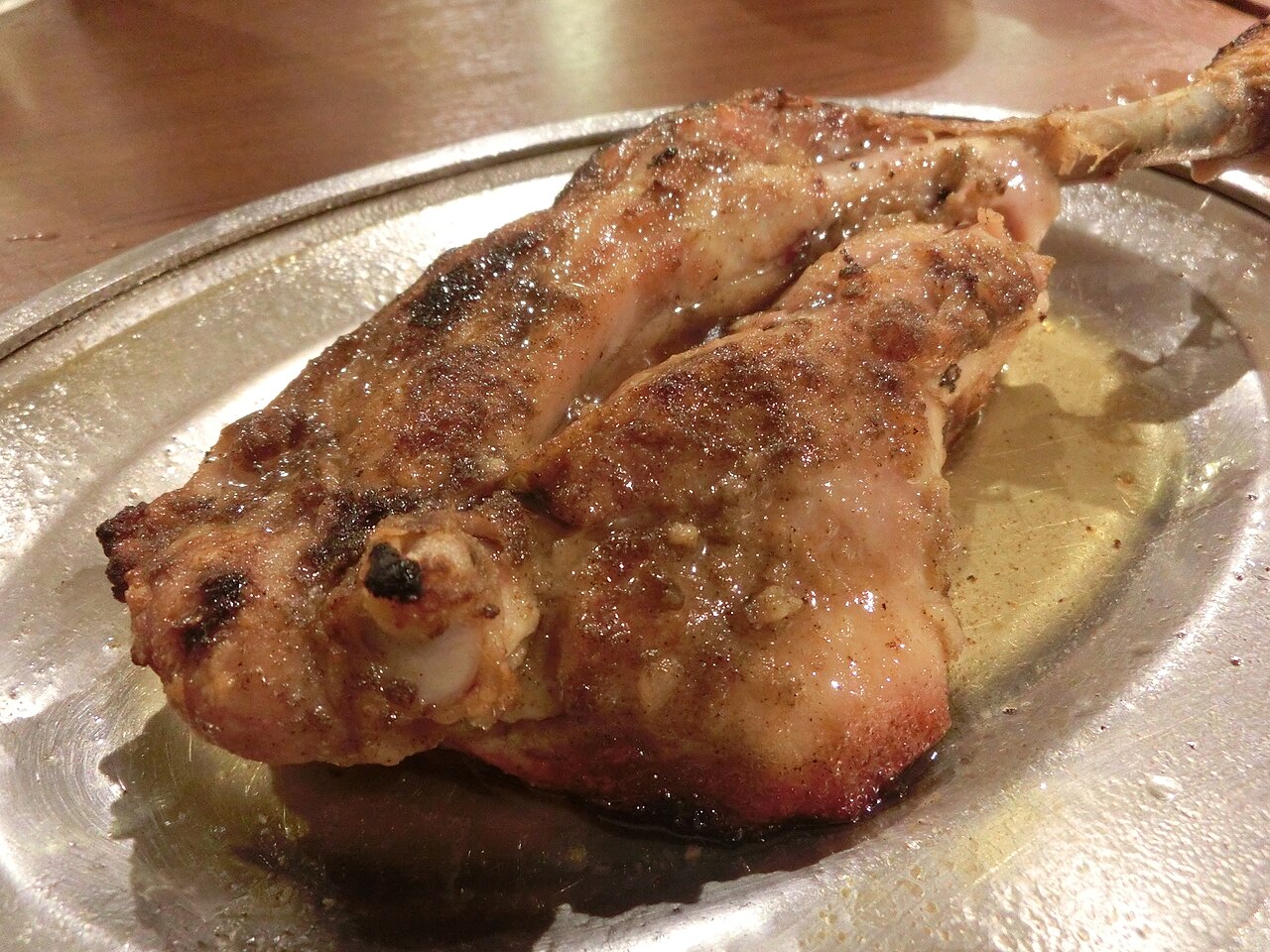
How Locals Enjoy It The museum's shop, "SHOP MIMOCA," is stocked with distinctive goods such as pouches and stationery designed by Genichiro Inokuma — a space that is fun just to browse. It is also perfect for a rainy-day shopping break. In addition, notable local restaurants such as "Ikkaku," famous for honetsukidori (bone-in grilled chicken), are scattered around Marugame Station, so pairing the museum with lunch afterward is a popular course even among locals.
Access 0 minutes on foot from JR Marugame Station (directly connected to the station). About 30 minutes from Takamatsu Station on the JR Yosan Line. By car, about 5 minutes from Marugame IC. For parking, the municipal parking lot adjacent to the museum is available.
Tips for Travelers Closed on Mondays (the following day if Monday is a public holiday). The whole museum may also close while special exhibitions are being changed over, so checking the official website in advance is recommended. Admission for the permanent exhibition alone is reasonably priced, and one to two hours is enough to enjoy it fully.
Shikoku Mura (Open-Air Folk Museum with Indoor Exhibits)
"An open-air museum on a rainy day, really...?" — if that was your reaction, wait just a moment. Shikoku Mura, spreading across the foot of Mount Yashima in Takamatsu City, is a rather special place packed with appeal unique to rainy days.
With about 33 historic buildings relocated here from across Shikoku and the Seto Inland Sea region, scattered amid lush greenery, this open-air folk museum gives you the sensation of having slipped back in time to the Edo period. Sitting on the veranda of an old farmhouse and gazing absently at the rain falling from the eaves, or walking the stone-paved paths under an umbrella, introduces you to a mood completely different from a sunny day. The damp atmosphere created by rain-soaked moss, stone walls, and old wooden plank walls is, if anything, at its very best on a rainy day.
The indoor exhibits are substantial too, with collections of Shikoku folk crafts, household implements, and farming tools that reward careful viewing. On the grounds there is also "Wara-ya," a renowned Sanuki udon restaurant, and freshly cut noodles eaten beneath the thatched roof of an old farmhouse offer warmth that cannot be bettered on a cold, rainy day.
Best Season and Recommended Times The fresh greenery of May and the autumn foliage of November make the scenery especially beautiful, and even on rainy days you can take dreamlike photographs. Late in the afternoon there are fewer visitors, so you can stroll in quiet.
How Locals Enjoy It Within the grounds of Shikoku Mura stands the adjoining "Gallery Shikoku Mura" (designed by Tadao Ando), where you can view a collection of Impressionist masterpieces. On a rainy day, combining an outdoor stroll with a visit to the gallery is the standard course for those in the know locally.
Access From JR Takamatsu Station, take the Kotoden (Takamatsu Kotohira Electric Railroad) Shido Line and get off at Yashima Station, then walk about 15 minutes. Alternatively, take a bus from Takamatsu Station toward Yashima, about 30 minutes. By car, about 15 minutes from Takamatsu Chuo IC on the Takamatsu Expressway.
Tips for Travelers The grounds are extensive, and going around the whole site takes one to two hours. Expect your feet to get wet, so waterproof shoes or rain boots will make the visit more comfortable. Umbrellas are available for loan, but bring your own just in case. Picking up the map handed out at the entrance and checking your route before setting off makes the walk go smoothly.
Shodoshima Olive Memorial Hall (Shodoshima Olive Kinenkan)
Rocking along on the ferry across the sea to Shodoshima, called "the Aegean Sea of Japan" — the place where you can savor the mood of an island trip to the fullest even on a rainy day is the Shodoshima Olive Memorial Hall.
Shodoshima is the island where olive cultivation first succeeded in Japan. That history goes all the way back to 1908, and at this memorial hall you can learn about the more than 100 years of olive culture that followed. The exhibits range widely, from cultivation methods and the history of oil pressing to the connection between olives and island life — the more you read, the more attached to Shodoshima you become.
The most enjoyable part of all is the olive oil tasting at the shop. The moment you dip bread into extra virgin olive oil harvested and pressed on the island and take it into your mouth, its rich aroma and gentle peppery bite spread across your palate. "So olive oil can taste this good" is a thought that comes honestly to mind. Savoring the island’s bounty indoors without getting wet is exactly what makes the Shodoshima Olive Memorial Museum worth a rainy day.
📍 Location & Access


Share this article


✍️ About this article
This article is compiled by the Tabitabi JAPAN editorial team from official and primary sources, including facility and shrine/temple websites, tourism information published by municipalities and tourism associations, and cultural-property records released by national and local governments. Prices, opening hours and event dates may change, so please also check the official information of each facility or local government before you visit.