
Marugame Castle: A Famous Castle Known for Its Stone Walls as One of 12 Castles with Original Keeps
Marugame Castle in Marugame City, Kagawa Prefecture, is a castle whose construction was begun by Ikoma Chikamasa, and it is one of the twelve surviving original keeps, with the keep built in the Edo period still standing. Its greatest highlight is the magnificent stone walls stacked in four tiers, whose combined height is said to be Japan's highest. From its elegant form built atop Mt. Kameyama it is also called Kameyama Castle, and the beautiful stone walls forming a fan-shaped slope, together with the small yet dignified keep, make it a representative castle of Sanuki that captivates visitors.
Highlights: Stone Walls Boasting Japan's Highest Height
Marugame Castle's greatest highlight is stone walls so grand the site is called a castle of stone. The combined height of the four tiers of stone walls reaches about 60 meters and is said to be the highest in Japan. The beautiful curve known as the fan slope, stacked so that it curves back from bottom to top, combines overwhelming power with elegance. Looking up at the keep from the base, the sight of stone walls rising in tier after tier is truly spectacular, conveying the advanced skill of the stonemasons of the time.

A Valuable Original Keep Surviving from the Edo Period
Marugame Castle's keep is a valuable original keep conveying its Edo-period form to the present. Though a small three-story keep, its white plaster walls and decorations such as karahafu gables give it an elegant, dignified appearance despite its size. Stepping inside the keep, you can feel the castle's history through the period architecture and the steep stairs. From the top floor, sweeping views spread over the townscape of Marugame, the Seto Inland Sea, and Mt. Iino, called Sanuki Fuji.

Seasonal Enjoyment
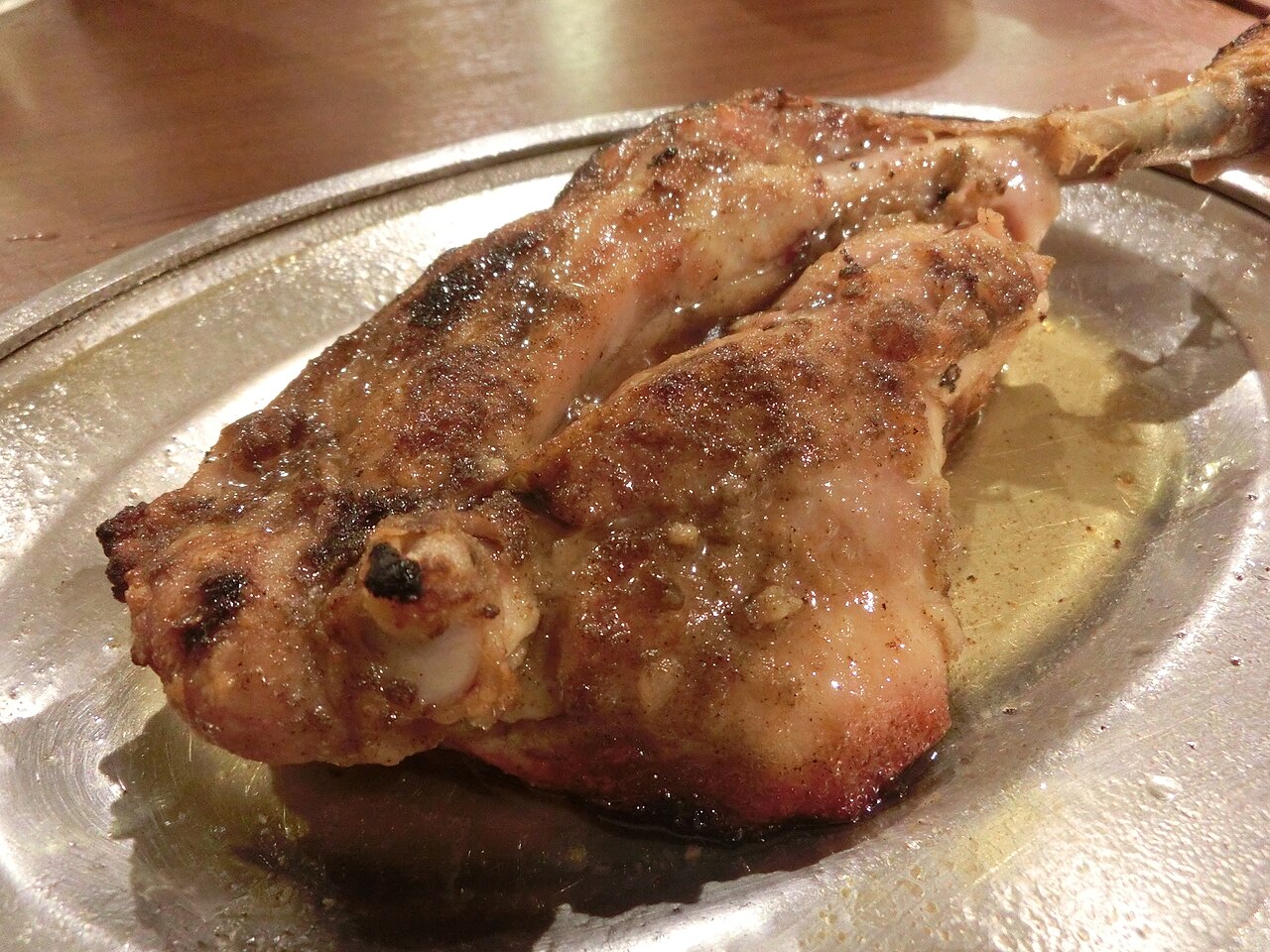
Marugame Castle can be enjoyed year-round, but spring with blooming cherry blossoms and the seasons of fresh greenery and autumn foliage are especially recommended for the harmony of stone walls and nature. The castle grounds and surroundings are known as a cherry blossom spot, bustling with many viewers in spring. Marugame's specialty hone-tsuki-dori, chicken thighs grilled savory with spices and salt, is a dish worth trying during a stroll through the former castle town.
Getting There & Basic Information
Access is convenient, about a 15-minute walk from JR Marugame Station, and the castle is clearly visible from the station. It is close to central Takamatsu, about 20 minutes by train, making it an ideal base for touring Kagawa. The climb to the keep involves a somewhat steep slope, so wear comfortable shoes. Marugame City is known for producing round paper fans; at The Port of Uchiwa Museum you can learn about the history and manufacturing process of these traditional crafts.
Practical Travel Notes
- The climb to the keep involves stone steps and steep slopes, so comfortable shoes are recommended.
- Entry to the keep has set hours and a fee; check opening hours and closed days in advance.
- The stone walls are high and impressive, but take care of your footing and near sections without railings.
- The cherry blossom season is especially crowded, so allow extra time.
- Popular hone-tsuki-dori restaurants can be busy, so consider off-peak times or check ahead.
- Some facilities offer paper-fan-making experiences or tours, so check official information if interested.
A Word of Advice
Marugame Castle lets you enjoy both stone walls said to be Japan's highest and a valuable original keep surviving from the Edo period. The path to the keep is a slope, so wear comfortable shoes. The view of the Seto Inland Sea and Sanuki Fuji from the top floor is exceptional. Pair it with the specialty hone-tsuki-dori and round paper fans to savor the charm of the former castle town. (TabiTabi Japan Editorial Team)
📚 Sources
Admission hours, fees, and opening status of the Marugame Castle keep can be checked in the official information of Marugame City and Marugame Castle. Its history as one of Japan's twelve surviving keeps and its record-height stone walls are also introduced on the information boards in the castle. For the local specialty honetsuki-dori chicken and the Uchiwa no Minato Museum, Marugame City tourism guidance is helpful. Fees, hours, and access may change, so please confirm the latest details on official sources before you go.
Visitor Checklist
- Time needed: About one to one and a half hours to tour the stone walls, keep, and castle grounds; add more for a stroll through the castle town.
- What to bring: Wear comfortable shoes as you climb stone steps and a steep slope to the keep. The stone walls are high, so watch your footing and areas without railings.
- Suggested route: Look up at the record-height stone walls from the base, climb the keep for views of the Seto Inland Sea and Sanuki Fuji, and try the local honetsuki-dori chicken in the castle town.
- Busy season: The cherry blossom season is especially crowded, so allow extra time.
Practical Information for Your Visit
- Viewing hours for the Marugame Castle keep: 9:00 a.m. to 4:30 p.m. (last entry to the keep 4:00 p.m.)
- Admission: 400 yen for adults, free for children (junior high school age and under). Groups (20 or more) receive a 20% discount. Residents of Marugame City aged 65 and over, and people with physical or mental disabilities together with their carers, are admitted free of charge
- Closing days: None (it may close temporarily when weather warnings are issued or during construction work). Viewing the Ote Ichi-no-Mon gate is free of charge
- Progress of the restoration work after the stone wall collapse: The restoration project launched after the stone walls collapsed in 2018 (Heisei 30) is still under way. On June 11, 2025 (Reiwa 7), Marugame City announced that it had revised the overall schedule to "fiscal Reiwa 1 (2019) through fiscal Reiwa 12 (2030), ending in March of Reiwa 13 (2031)" and the total project cost to 8.6 billion yen. The reasons given for the extension are that rebuilding the 31-meter-high stone wall is a difficult piece of engineering, and that more stones than expected were damaged in the collapse, increasing the number of new stones that must be produced (Marugame City official)
- Access: About a 15-minute walk from JR Marugame Station (Marugame City official)
- Parking (free): About 50 spaces on the south side of the Marugame Castle Museum (including spaces for disabled visitors / 6:00 a.m. to 7:00 p.m.), and a parking area reserved for large buses (Marugame Castle Kitahoribata) with about 5 spaces
- Parking (municipal, paid): Otemachi No. 1 with about 170 spaces, Otemachi West with 137 spaces, Otemachi No. 3 with 14 spaces, and Ekimae Underground with 263 spaces. Validation machines are installed at the museum, the castle keep and the castle tourist information office
- Marugame Uchiwa Fan Museum: 25-1 Nakazu-cho, Marugame City (on the north side of Nakazu Bansho-en Garden) / phone 0877-24-7055
- Opening hours: 9:30 a.m. to 5:00 p.m. (last admission 4:30 p.m.)
- Closed: every Wednesday (the following day when Wednesday is a public holiday) and over the New Year period
- Admission is free of charge (the fan-making workshop charges a fee and requires a reservation)
- There is a corner where craftspeople demonstrate fan making, and Marugame uchiwa fans are on sale
- Inquiries: Cultural Property Preservation and Utilization Division, Marugame Castle Management Office 0877-23-2107 / Marugame City Tourism Association 0877-85-5852
* The sections of the castle grounds closed off for the restoration work change as the work progresses, so check the latest situation in the construction progress updates on the Marugame City official website under "Stone wall restoration information." (Sources: Marugame City official website (Marugame Castle / stone wall restoration information / Marugame Uchiwa Fan Museum); Marugame Uchiwa official website)
📍 Location & Access



Share this article


✍️ About this article
This article is compiled by the Tabitabi JAPAN editorial team from official and primary sources, including facility and shrine/temple websites, tourism information published by municipalities and tourism associations, and cultural-property records released by national and local governments. Prices, opening hours and event dates may change, so please also check the official information of each facility or local government before you visit.