
Kanagawa Local Gourmet Guide: Sanma-men
Sanmar Men (Sanma-Men Noodles)
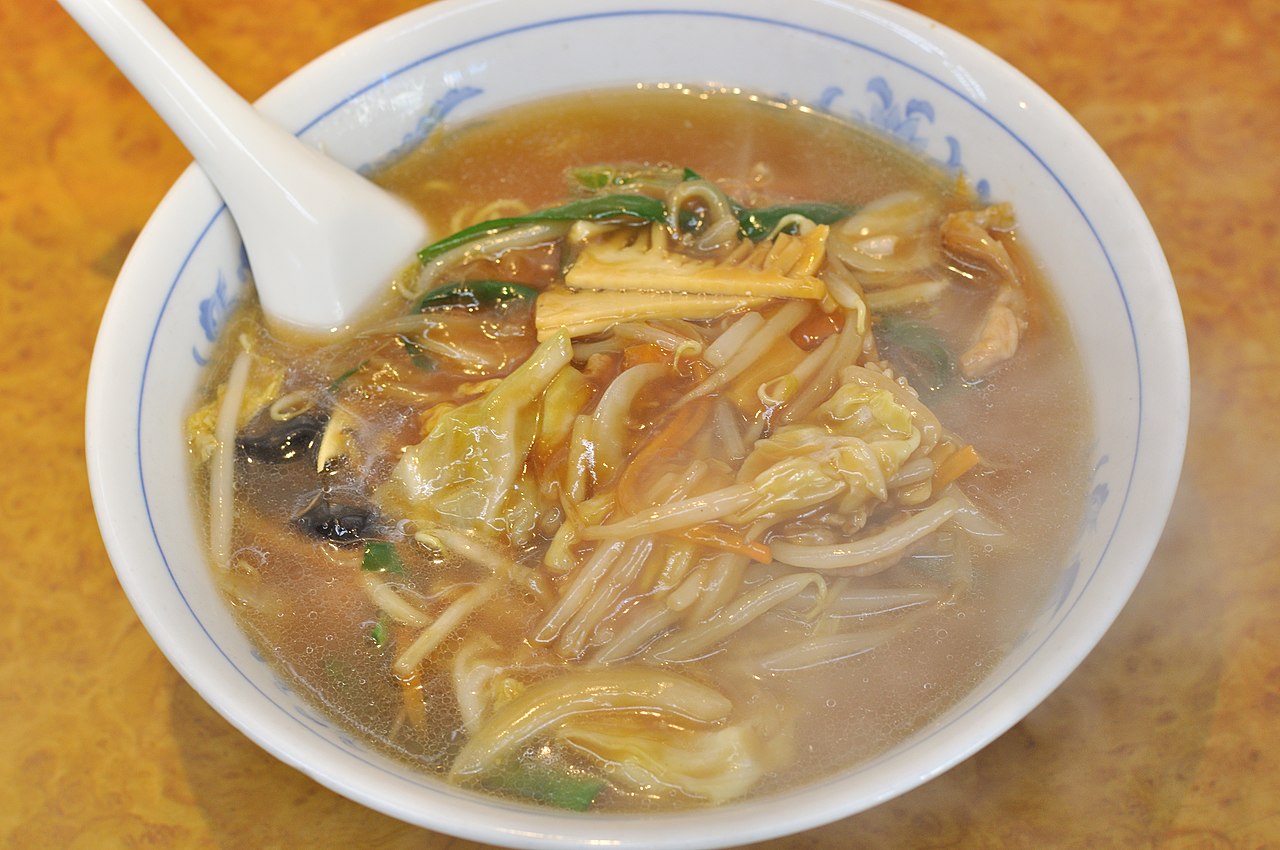
Sanma-men is a ramen style unique to Kanagawa Prefecture—in particular Yokohama and its surroundings—that is virtually unknown elsewhere in Japan, making it one of those discoveries that makes you feel like a true local. Despite its name suggesting sanma (Pacific saury fish), the dish contains no fish at all: "sanma" here is a phonetic abbreviation meaning "sauteed vegetables on top," referring to the defining characteristic of this bowl—stir-fried vegetables (typically bean sprouts, cabbage, pork, and wood-ear mushrooms) piled abundantly on top of thin ramen noodles in a mild, light broth.
The texture contrast of the crunchy, lightly seasoned stir-fried vegetables against the smooth noodles, and the way the vegetable cooking juices blend into the clear broth as you eat, creates an experience that is simple yet deeply satisfying. It is the kind of dish that locals eat almost automatically, without much thought—and that visitors, once introduced to it, want to seek out again.
Many Chinese restaurants (chuka ryori-ten) and local ramen shops throughout Yokohama serve it, usually at quite affordable prices. Look for the Chinese characters on the menu—or simply ask the staff.
Best Places to Try: Yokohama City (particularly the areas around Kannai, Isezakicho, and Tsurumi districts); also found in Kawasaki City and throughout central Kanagawa.
Access: Central Yokohama is easily reached from Tokyo in 20–30 minutes by JR Yokosuka Line, Tokaido Line, or Keikyu Main Line.
Kiyoken Shumai (Kiyoken Shiumai)
Few souvenirs are as emblematic of Yokohama as the Kiyoken Shiumai (steamed pork dumplings by Kiyoken). Since 1928, this Yokohama institution has been producing its distinctive "Yokohama Shiumai"—cold-eaten steamed dumplings that are unique in that, unlike most shiumai, they are specifically designed to be delicious at room temperature (as they were originally sold at railway stations to eat on trains). The filling uses dried scallop (hotate) to add depth of flavor rather than simple pork alone, producing a subtly sweet, complex umami that is genuinely distinctive.
The iconic "Hiyoko" (chick) ceramic soy sauce dispenser—sold with certain boxed sets—has itself become a beloved Yokohama collectible, sought by visitors and locals alike.
Kiyoken outlets are found at JR Yokohama Station and throughout the Yokohama area; the products are also available at Haneda Airport and major Tokyo stations.
What to Order: The "Yokohama Shiumai" classic set and the "Special Shiumai" (tokusei shiumai, with extra scallop) are the two signature products worth trying and comparing.
Kamakura Yasai (Kamakura Vegetables)
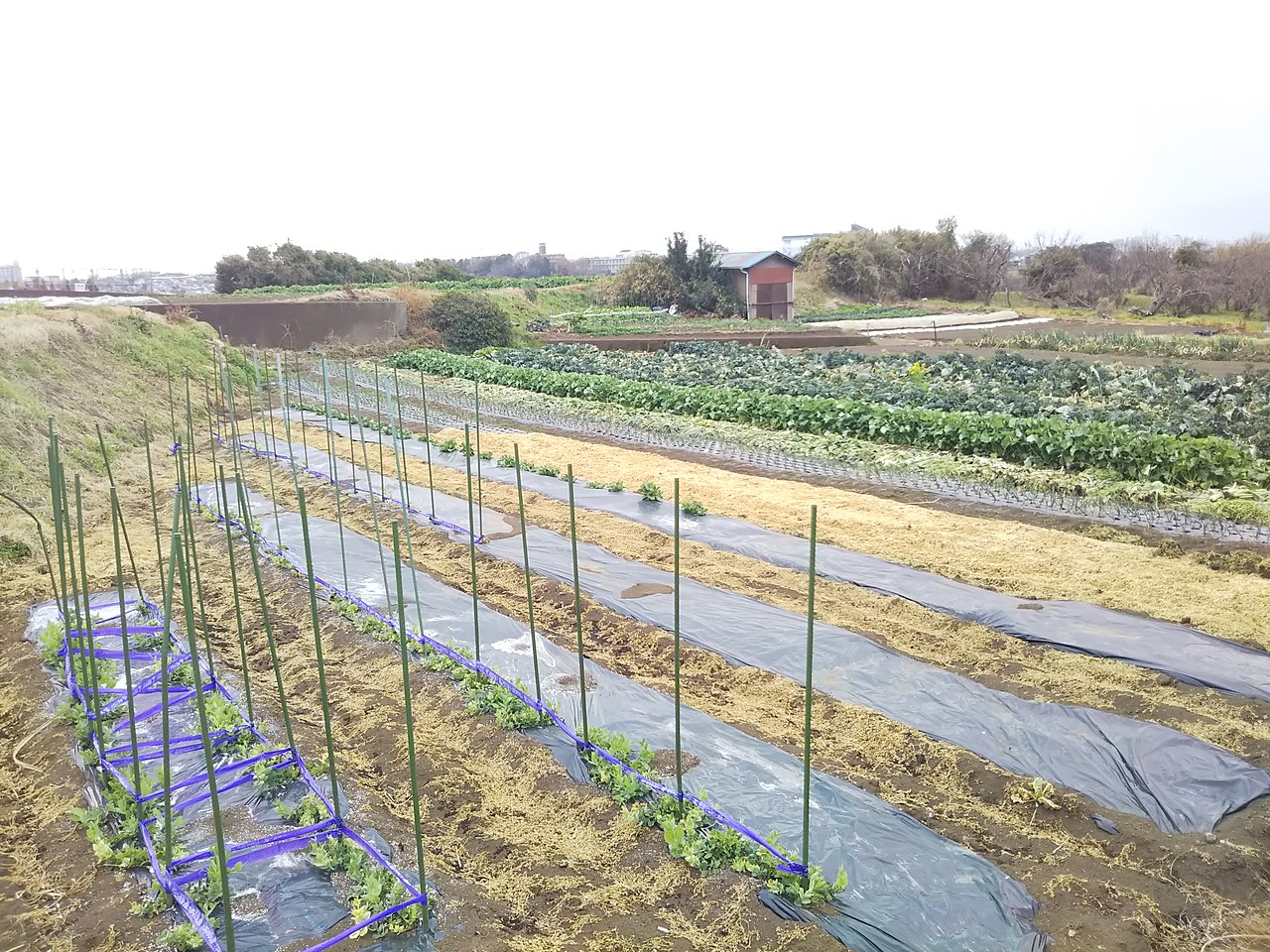
The hillside city of Kamakura, famous for its ancient temples and the enormous Great Buddha (Kotoku-in Daibutsu), has a thriving local farming culture that produces what are collectively marketed as "Kamakura Yasai" (Kamakura Vegetables)—a range of seasonal vegetables grown on the hillside farms between Kamakura and Zushi, which supply local restaurants and specialty markets.
The combination of the coastal microclimate, well-drained hillside soil, and the small-scale, careful farming practices of local producers results in vegetables of exceptional flavor—particularly root vegetables, leafy greens, and various Japanese varieties rarely found elsewhere. Kamakura's concentration of artisan restaurants and cafes that focus on local, seasonal produce means that a meal in Kamakura can be as culinarily interesting as any in central Tokyo.
Where to Find Kamakura Vegetables:
- Weekend morning markets near Kamakura Station (held on Saturday and Sunday mornings near the station area)
- Restaurants along Yuigahama beach and Komachi-dori shopping street that prominently source local produce
- The "Touji-ji" area near Kita-Kamakura Station has several excellent farm-to-table style restaurants
Access: Approximately 1 hour from Tokyo Station by JR Yokosuka Line (direct to Kamakura Station).
Yokosuka Navy Burger (Yokosuka Kaigun Burger)
Yokosuka City, home to the US Fleet Activities Yokosuka—one of the largest US Navy bases in the Pacific—has a distinctive local food culture deeply influenced by its long association with American military personnel. The "Yokosuka Navy Burger" is a city-branded gourmet item celebrating this unique heritage: a large, generously constructed hamburger meeting specific city-defined criteria for ingredients and preparation, served at numerous participating restaurants throughout the city.
The emphasis is on quality beef, generous proportions, and the kind of hearty, all-American construction that would feel at home near a naval base. The city's "Navy Curry" (based on a recipe historically used by the Japan Maritime Self-Defense Force) is equally iconic.
Where to Try:
- Multiple restaurants near Yokosuka-Chuo Station participate in the "Navy Burger" certification program
- The "Dobuita Street" shopping district near the base entrance is the heart of Yokosuka's American-influenced food and culture scene
Access: Approximately 1 hour from Shinagawa Station by Keikyu Main Line to Yokosuka-Chuo Station.
Hiratsuka Tanabata Sweets and Local Confections
Hiratsuka City in Kanagawa's Shonan area is famous for hosting Japan's largest Tanabata Festival (July 7th and the surrounding days)—and has a tradition of local confections tied to this celebration. Tanabata-themed wagashi (traditional Japanese sweets) and seasonal confections are produced by local sweets makers in the weeks surrounding the festival.
Beyond the festival period, Hiratsuka and the broader Shonan coastal area have a lively local food culture centered on fresh seafood from Sagami Bay. Shirasu (whitebait—tiny juvenile fish of various species, including sardines and anchovies) are a Shonan specialty, harvested fresh from the bay and served raw (nama shirasu) on rice at coastal restaurants from spring through autumn.
Access: Hiratsuka Station on the JR Tokaido Line is approximately 45 minutes from Tokyo Station.
Odawara Fish and Kamaboko (Fish Cake)
Kamaboko (steamed fish cake) has been a specialty of Odawara City (at the base of the Hakone mountains) for centuries—and Odawara kamaboko remains the most prized version of this traditional food in eastern Japan. Made from fresh fish caught in Sagami Bay, expertly kneaded and formed, then delicately steamed, the finest Odawara kamaboko has a texture and flavor far removed from the mass-produced versions found in supermarkets.
Several traditional kamaboko producers near Odawara Station offer factory tours and tasting experiences, and the fresh kamaboko—eaten the day it is made—is extraordinary. It makes an excellent travel souvenir as well, with premium products packaged for refrigerated transport.
Access: Odawara Station is approximately 35 minutes from Tokyo Station by JR Tokaido Shinkansen (Kodama); about 75 minutes by Romancecar limited express from Shinjuku Station on the Odakyu Line.
Yokohama Chinatown (Yokohama Chukagai)
One of Japan's most beloved culinary destinations, Yokohama Chinatown is the largest Chinatown in Japan—home to approximately 600 restaurants and food shops within a concentrated area of Naka-ku, Yokohama. Established in the mid-19th century when Yokohama opened as a treaty port and Chinese merchants arrived, the district has evolved across 160 years into a vibrant, dense food culture destination that draws visitors from across the country.
The most celebrated experience is food walking (tabearuki)—moving from stall to stall sampling items like pork buns (niku-man), fried dumplings (sho ronpo, xiaolongbao), Peking duck, and various dim sum while exploring the district's colorful streets and ornate gate structures. Full sit-down meals at the neighborhood's many acclaimed restaurants are equally worthwhile.
Access: A 5-minute walk from Motomachi-Chukagai Station on the Minatomirai Line; approximately 10 minutes from JR Kannai Station.
📍 Location & Access




Share this article



✍️ About this article
This article is compiled by the Tabitabi JAPAN editorial team from official and primary sources, including facility and shrine/temple websites, tourism information published by municipalities and tourism associations, and cultural-property records released by national and local governments. Prices, opening hours and event dates may change, so please also check the official information of each facility or local government before you visit.