
Kanagawa Food Guide: Kiyoken Shumai, Yokohama Chinatown & Shonan Shirasu
Ever since the port of Yokohama opened, Kanagawa Prefecture has grown as a place where food cultures from Japan and abroad mingle, making it a treasure house of local specialties. Kiyoken shumai, famous nationwide as the bento of Yokohama Station, the vast Yokohama Chinatown, and the shirasu of Shonan that represents the bounty of Sagami Bay all welcome the traveler with flavors that capture the charm of sea and city. Part of Kanagawa appeal is that each area, Yokohama, Kamakura, and Shonan, offers food with its own character.
Kiyoken Shumai, the Symbol of Yokohama
When it comes to Yokohama specialties, Kiyoken shumai stands out. Kiyoken was founded in 1908, and in 1928 it launched shumai as a Yokohama specialty. Kneaded with the savory depth of pork and scallop, the shumai is crafted to taste good even when cold, and the Shumai Bento eaten aboard the bullet train and local trains has been loved for years as a travel staple. The gourd shaped soy sauce container called Hyochan is popular too, prized by fans as a collectible. It is easy to buy at kiosks in Yokohama and major stations.
Yokohama Chinatown, a Joy to Graze
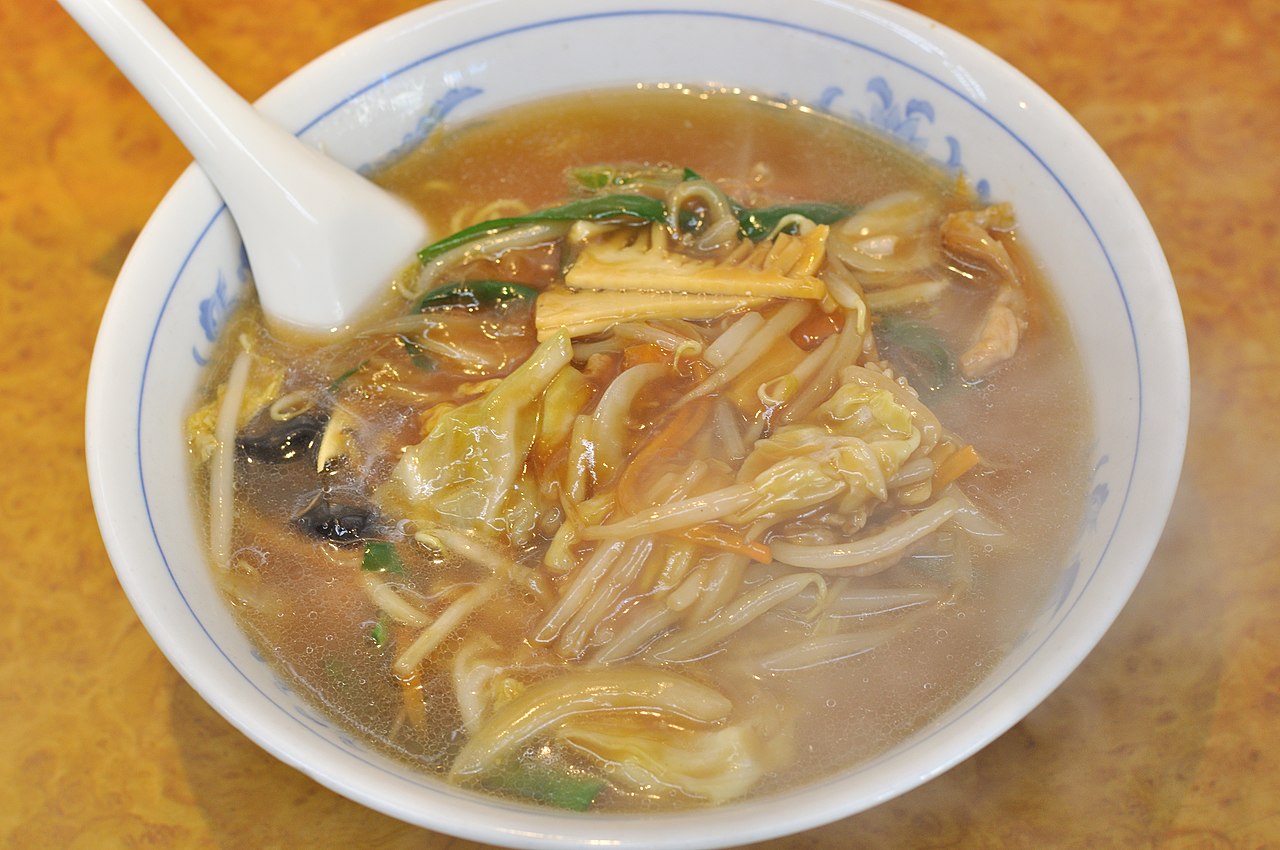
Counting restaurants, sundry shops, and souvenir stores, Yokohama Chinatown has over 600 shops, making it one of Japan largest Chinatowns. Alongside full course authentic Chinese cuisine such as Cantonese and Sichuan cooking, street snacks like pork buns, soup dumplings, and sesame balls abound. Passing beneath the vividly colored gates and nibbling dim sum along the lively streets is one of the great pleasures of a Yokohama visit. Sights such as the Kanteibyo temple are scattered about.
Shonan Shirasu, the Bounty of Sagami Bay
In the Shonan area around Enoshima and Kamakura, fresh shirasu caught in Sagami Bay is a specialty. The clear, freshly landed raw shirasu lives and dies by its freshness, a rare treat available only on days when fishing takes place. Shirasu bowls piled with boiled shirasu are popular at local eateries and shops around Enoshima. Enjoying shirasu dishes while gazing at the sea is a luxury unique to Shonan.
Best Season and Access
Shirasu fishing is closed each year from January to early March, so raw shirasu can be enjoyed during the fishing season from mid March to around December. There are several peak seasons across spring, summer, and autumn, each with a different flavor. For Yokohama Chinatown, get off at Motomachi Chukagai Station on the Minatomirai Line, and for Shonan shirasu, the area around Enoshima Station on the Odakyu Line and Enoden is convenient. Enjoying Chinese food and shumai in Yokohama, then venturing out to taste seafood in Shonan, is the classic way to savor Kanagawa gourmet.
Practical Travel Notes
- From Yokohama Station to Motomachi Chukagai Station is about 10 minutes on the Minatomirai Line with no transfer
- Grazing in Chinatown runs around two thousand yen per person, while a course meal calls for a larger budget
- Raw shirasu depends on the catch, so it is reassuring to check with the shop in advance if you are set on it
- Yokohama and Shonan are linked by rail, making a day plan of Yokohama in the morning and Enoshima in the afternoon easy
- Shumai Bento is available at station kiosks, with the added pleasure of eating it aboard the train
A Quick Tip
Yokohama and Shonan are some distance apart, so rather than overreaching, focusing on one area per day lets you savor each flavor at leisure. Chinatown changes character between day and evening, so if time allows, staying until dusk to compare everything from dim sum to a full course is worthwhile.
Practical Information for Your Visit
- Season: According to Fujisawa City, whitebait (shirasu) is in season from April to June and from August to October. The selling period runs from March 11 to December 31; from January 1 to March 10, fishing is banned in Sagami Bay to protect young ayu
- Direct sales outlet for shirasu: Shonan Shirasu Hamano Suisan (1-1-5 Katase Kaigan, Fujisawa City) / 9:00-17:00 (9:00-16:00 during the closed fishing season). Open daily except over the New Year period
- Where to buy shumai: Kiyoken Main Store Shop (1F Kiyoken Main Store, east exit of Yokohama Station) / 10:00-20:00. Tel. 045-441-8827
- Trivia: Kiyoken was founded in 1908 at the first Yokohama Station (today's Sakuragicho Station). The "Shumai Bento" appeared in 1954 and the "Hyo-chan" soy sauce bottle in 1955
- Points to note: Raw shirasu is not available during the closed fishing season
Note: Opening hours and prices vary from shop to shop.
(Sources: Kiyoken official website, "The History of Kiyoken" and "Main Store Shop"; Fujisawa City, "Delicious Fujisawa Shirasu"; Kanagawa Prefecture, "Fish Encyclopedia (Shirasu)"; Kanko Kanagawa NOW, "Shonan Shirasu Hamano Suisan")
📍 Location & Access



Share this article



✍️ About this article
This article is compiled by the Tabitabi JAPAN editorial team from official and primary sources, including facility and shrine/temple websites, tourism information published by municipalities and tourism associations, and cultural-property records released by national and local governments. Prices, opening hours and event dates may change, so please also check the official information of each facility or local government before you visit.