
Fushimi Inari Taisha — The Mystical Head Shrine of Inari with a Thousand Torii
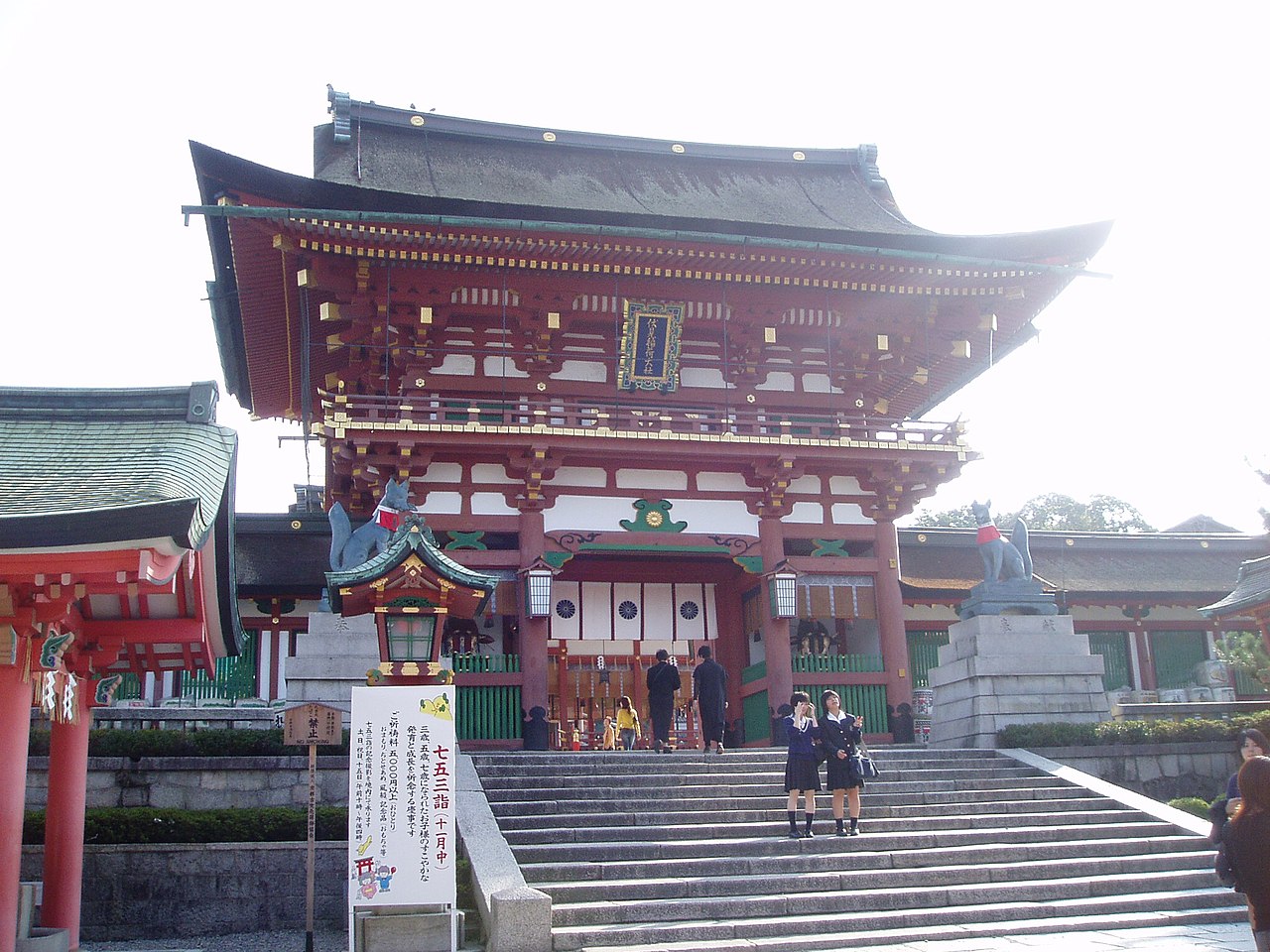
No image of Kyoto is more instantly recognizable than the seemingly endless corridors of vermilion torii gates climbing the forested hillside of Fushimi Inari Taisha. As the head shrine of roughly 30,000 Inari shrines across Japan, Fushimi Inari has been a place of pilgrimage, prayer, and wonder for centuries. Its enshrined deity is Inari Okami, headed by Uka-no-Mitama-no-Okami. Its scale, its color, and its sheer density of sacred architecture create an experience that is simultaneously overwhelming and deeply moving.
Highlights
The famous Senbon Torii, meaning "thousand torii gates," begins just behind the main shrine hall and spirals up the mountain in two parallel corridors leading toward the Okusha rear worship hall. The gates, donated by businesses and individuals praying for prosperity and success, are often said to number about ten thousand, and they cover the trail toward the summit of Mt. Inari at 233 meters. Each gate is inscribed with the donor's name and the date of donation, creating a living record of devotion.
Foxes, the messengers of Inari, the deity of rice, agriculture, industry, and worldly success, appear as stone statues throughout the mountain's many sub-shrines, each with slightly different expressions and offerings. The atmosphere of the upper mountain, particularly at dusk when lanterns begin to glow and the crowds thin, shifts from touristic to genuinely sacred.
The Omokaru-ishi, or "heavy-light stone," stands at the Okusha rear worship hall. You lift the stone head of a lantern while making a wish, and if it feels lighter than expected, your wish is said to come true. It draws lines of visitors.
Enjoying the Seasons
- Spring: A beautiful season for the contrast of fresh greenery on Mt. Inari against the vermilion gates.
- Summer: An early-morning climb to the summit is recommended, when the green of the mountain and the vermilion of the gates are vivid.
- Autumn: The combination of foliage and gates is dreamlike, and autumn is the easiest season to walk the mountain circuit.
- Winter: Gates dusted with rare snow are enchanting, and with fewer visitors you can worship in quiet.

Access and Basic Information
- Location: 68 Fukakusa-yabunouchi-cho, Fushimi Ward, Kyoto City, Kyoto Prefecture
- Nearest station: Just outside Inari Station on the JR Nara Line (about 5 minutes from Kyoto Station, with the great torii right in front), or about a 5-minute walk from Fushimi-Inari Station on the Keihan line
- Hours: Open 24 hours, including Mt. Inari (charm offices open roughly 7:00 to 18:00)
- Admission: Free
- Mountain circuit time: About 2 to 3 hours round trip to the summit
Practical Travel Notes
- Gear for the mountain circuit: The round trip to the summit takes about 2 to 3 hours, with many stone steps along the trail, so comfortable shoes are essential. There are vending machines and tea stalls along the way, but bringing your own drink is wise in summer.
- Times to avoid crowds: The site draws many visitors from Japan and abroad during the day. To walk the Senbon Torii in quiet, aim for early morning or after dusk. Since the grounds are open 24 hours, an early-morning visit is possible.
- Midway viewpoint: Climbing to around the Yotsutsuji junction opens up a view over the city of Kyoto. A route that turns back here without climbing the whole mountain lets you adjust to your stamina.
- Approach food: The approach from in front of JR Inari Station to the main hall is lined with distinctive local foods such as inari sushi and grilled skewers. A treat after worship.
- New Year visit: The first three days of the New Year rank among the busiest nationwide. To avoid crowds, come outside the daytime peak.
A Quick Tip
To avoid crowds, an early-morning visit is best. The beauty of the vermilion gates stands out in the soft morning light. If you do the mountain circuit, bring comfortable shoes and a drink. The approach is lined with distinctive foods such as inari sushi, so be sure to stop by as a treat after worship. Even without climbing the whole mountain, going as far as the viewpoint near the Yotsutsuji junction is well worth it.
📚 Sources
This article is based on publicly available sources such as the official website of Fushimi Inari Taisha, tourism information published by the Kyoto City Tourism Association, and on-site history boards and signage. Its status as the head shrine of the Inari shrines nationwide, and the descriptions of the Senbon Torii, the summit of Mount Inari at Ichinomine, and the Omokaru-ishi stone, are widely introduced through such public information. Charm office hours, parking, and the business conditions of the shops along the approach may change, so please confirm with the official information from Fushimi Inari Taisha before you set out.
Visitor Checklist
- Estimated time: Around 30 minutes to an hour for the main hall and the Senbon Torii alone, or about two to three hours round trip to Ichinomine on the mountain circuit. A route turning back near the Yotsutsuji junction is also possible.
- What to bring: The mountain path has many stone steps, so sturdy walking shoes are essential. There are vending machines and teahouses along the way, but carrying drinks is reassuring in summer.
- If you want a quiet walk: The grounds are open around the clock, so early morning or after dusk is best for walking the Senbon Torii in quiet.
- Suggested route: A classic flow is to pass from the main hall through the Senbon Torii to the rear worship hall, make a wish at the Omokaru-ishi, and climb to the Yotsutsuji junction or Ichinomine as your stamina allows.
- If you also enjoy the approach food: The approach from the front of JR Inari Station to the main hall is lined with specialties such as inari sushi and grilled sparrow and quail, a fine treat after worship.
📍 Location & Access


Share this article


✍️ About this article
This article is compiled by the Tabitabi JAPAN editorial team from official and primary sources, including facility and shrine/temple websites, tourism information published by municipalities and tourism associations, and cultural-property records released by national and local governments. Prices, opening hours and event dates may change, so please also check the official information of each facility or local government before you visit.