
Ise Jingu — The Spiritual Home of the Japanese People
Affectionately called Oise-san, Ise Jingu is one of Japan's foremost sacred places, with a long history. Centered on the Naiku (Inner Shrine), which enshrines Amaterasu Omikami, and the Geku (Outer Shrine), which enshrines Toyouke no Omikami, it is a collective name for 125 shrines including auxiliary and subordinate shrines. Simply visiting fills one with a refreshing energy, and it is one of Japan's leading power spots, drawing many worshippers from across the country.
Highlights
From the Outer Shrine to the Inner Shrine By long custom, worship proceeds from the Geku to the Naiku. The Geku enshrines Toyouke no Omikami, the deity of food, clothing, and shelter, its quiet halls set within a vast forest. The main sanctuary of the Naiku stands beside the Isuzu River, and from the moment you cross the Uji Bridge you are drawn into another world. Beyond the bridge, aged giant cedars line the approach, wrapping visitors in a sacred air laced with filtered sunlight.
Shikinen Sengu Once every twenty years, the halls are rebuilt anew and the deities are moved to them in a tradition called Shikinen Sengu. The previous one took place in 2013, and the next is scheduled for 2033.
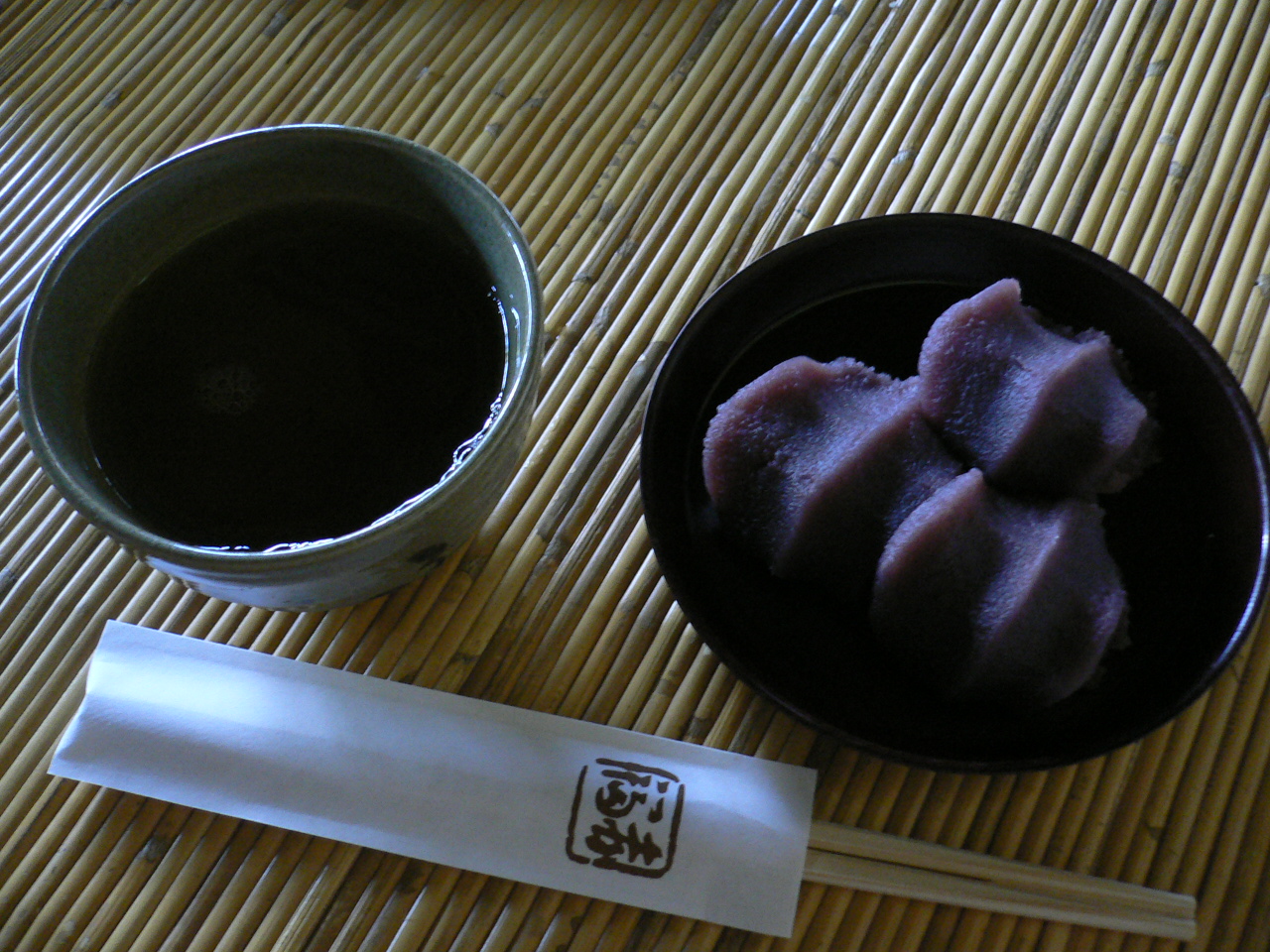
Okage Yokocho and Oharaimachi The town before the Inner Shrine recreates the atmosphere of the Edo period. Local foods such as Ise udon, Akafuku mochi, and tekone sushi are on offer, making it a place to stop before or after worship.

Enjoying the Seasons
Spring: Cherry blossoms and fresh greenery color the area around the Uji Bridge, joining the clear Isuzu River for a splendid scene. Summer: The grounds brim with deep green and life. Early-morning worship offers stillness. Autumn: Foliage and sacred air combine, heightening the mystical quality of this power spot. Winter: Many come for the first shrine visit of the year on New Year's Day. Worship in the crisp winter air is exceptional.

Access and Basic Information
- Nearest stations: About a 15 to 20-minute local bus ride to the Naiku from Iseshi Station on the Kintetsu and JR lines, or from Ujiyamada Station on the Kintetsu line.
- Parking: Paid parking is available around the Naiku and Geku (early morning is recommended when crowded).
- Hours: The gates open at 5:00. Closing time varies by season: 18:00 from January to April and in September, 19:00 from May to August, and 17:00 from October to December (times change during the New Year period).
- Admission: Free
- Time needed: Allow 3 to 4 hours for the Geku and Naiku together.
Practical Travel Notes
- Best time of day: The hours from 6:00 to 8:00 just after opening are quietest, letting you worship in refreshing air. Many shops in Okage Yokocho open around 10:00, so worshipping first and eating afterward makes for a smooth flow.
- Avoiding crowds: Weekends, holidays, the first three days of January, and long holidays are very busy. Weekdays and early mornings allow a calmer visit.
- Model course: Geku, then Naiku, then Okage Yokocho makes a half to full day. With time to spare, extending to the auxiliary Tsukiyomi shrine or to the Wedded Rocks at Futamigaura is also recommended.
- Budget: Worship is free. Including bus fare, parking, and snacks, a visit costs from a few hundred to several thousand yen.
A Quick Tip
Following the old custom, worship from the Geku to the Naiku. Refrain from photography at the heart of the main sanctuaries. It is customary to purify your hands and mouth at the water basin and to walk to the side rather than the center of the approach. As the walking distances are long, comfortable shoes are recommended.
📚 Sources
The official Ise Jingu website and Jingu Shicho public information, together with guidance from the Ise City Tourism Association, are reliable sources for worship etiquette and gate hours. For Okage Yokocho, the operator’s public information is also helpful.
Opening and closing times vary by season and change during the New Year period. Fees, hours, and access may change, so please confirm with official sources before you set out.
Visitor Checklist
- Time needed: About three to four hours to worship both the Outer and Inner shrines; add food walking at Okage Yokocho for a half to full day.
- What to bring: Well-worn shoes for the long distances; purify your hands and mouth at the water pavilion and keep worship etiquette in mind.
- Suggested route: The classic order is Outer Shrine, Inner Shrine, then Okage Yokocho; with extra time, extend to the auxiliary Tsukiyomi shrine or the Wedded Rocks at Futamigaura.
📍 Location & Access


Share this article


✍️ About this article
This article is compiled by the Tabitabi JAPAN editorial team from official and primary sources, including facility and shrine/temple websites, tourism information published by municipalities and tourism associations, and cultural-property records released by national and local governments. Prices, opening hours and event dates may change, so please also check the official information of each facility or local government before you visit.