
Okage Yokocho: Food Walking and Edo Atmosphere in Ise's Temple Town
After finishing your worship at Ise Jingu, the next pleasure is Okage Yokocho. This quarter, recreating the townscape of Edo and Meiji era Ise, is a paradise for food walking and shopping. Specialty foods, Ise souvenir shops, and long-established flavors line the lanes, bustling with worshippers. In its retro atmosphere, it makes the perfect stroll to cap an Ise pilgrimage.
Highlights
Okage Yokocho spreads across the middle of Oharai-machi, the approach town before the Inner Shrine of Ise Jingu. It opened in 1993, the year after the Heisei-era Shikinen Sengu. Representative Ise-road architecture of the Edo to Meiji periods is recreated, giving a townscape that feels like time travel. Some 50 shops gather here, conveying the liveliness of the Ise pilgrimage to the present.
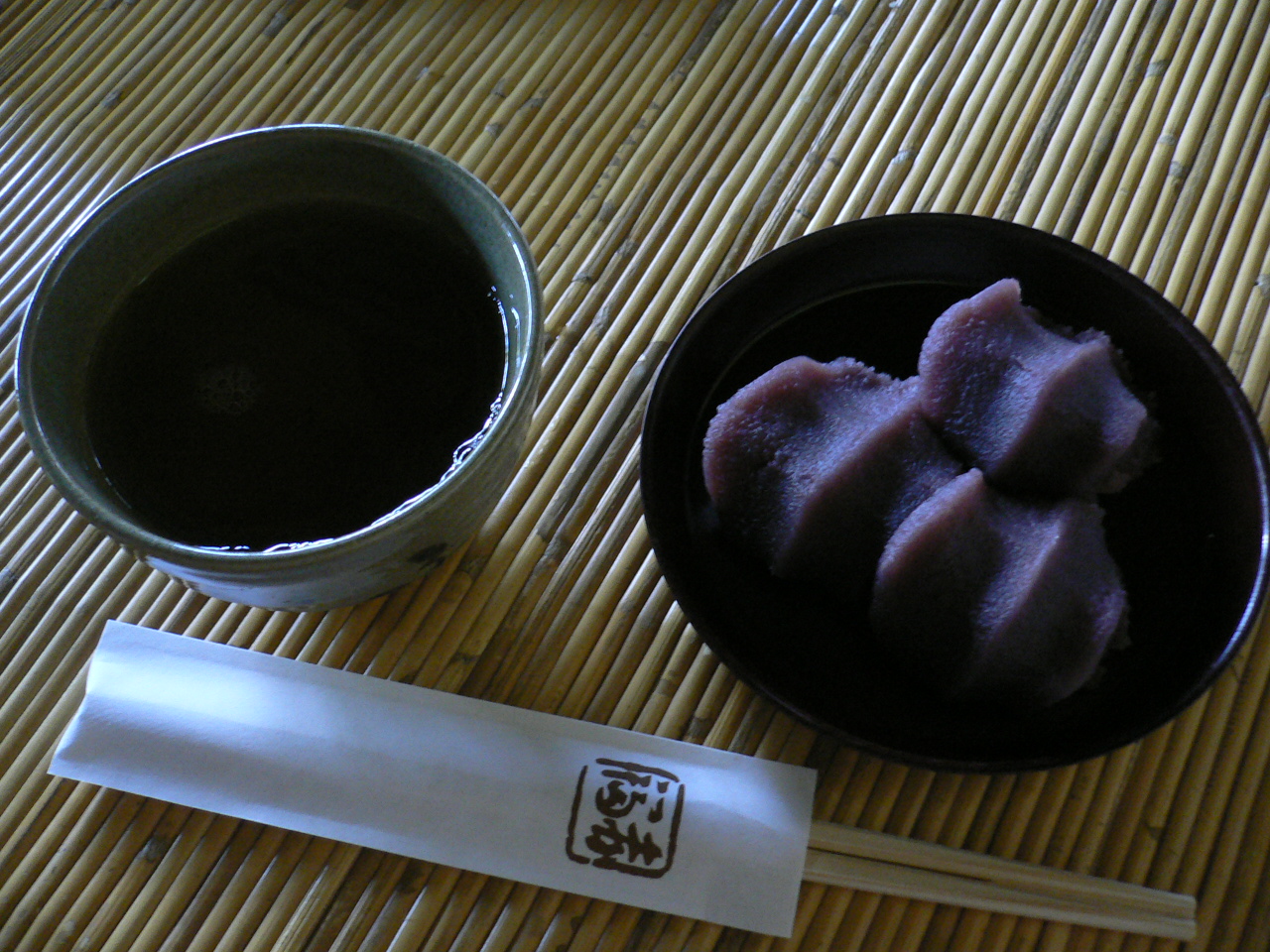
The greatest pleasure of Okage Yokocho is, above all, food walking. Ise specialties gather here, from the local Akafuku to fluffy Ise udon and tekone sushi made with fresh seafood. There is plenty to enjoy on the move, such as grilled skewers and freshly fried fish cakes.
Long-established shops preserving traditional flavors and appealing souvenir stores also line the lanes. Ise traditional crafts, local specialties, and a shop specializing in lucky cats form a distinctive row that is fun to browse.
Seasonal Enjoyment
Spring: Pleasant weather makes post-worship food walking comfortable. Summer: Shops with cold sweets and drinks are popular; guard against the midday sun. Autumn: Fine weather is ideal for food walking, with new rice and seasonal flavors on offer. Winter: The first three days of the New Year bustle with shrine visitors, and warm soups are welcome.
Access and Essentials
- Train plus bus: From JR or Kintetsu Ise-shi Station, take a Mie Kotsu bus toward the Inner Shrine; it is about 12 to 15 minutes to the Naiku-mae stop, with a fare of around 520 yen.
- Location: In the middle of Oharai-machi, the town before the Inner Shrine; within walking distance of the Naiku-mae bus stop.
- Entry: Entering the quarter is free (food and shopping at each store are paid).
- Parking: Use lots around the Inner Shrine; they fill quickly in busy periods, so arrive early.
Practical Travel Notes
- Best season and time: Weekdays and mornings are comfortable and avoid crowds; the first three days of January and Golden Week are very busy.
- Time needed: About 1 to 2 hours for food walking and shopping; allow a half day together with the Inner Shrine.
- Budget sense: Food-walking items are mostly a few hundred yen each; sampling several specialties like Akafuku and Ise udon runs into the low thousands of yen.
- Nearby spots: The Inner Shrine of Ise Jingu, Oharai-machi, and famed Ise udon shops are all within walking distance.
A Word of Advice
Because Okage Yokocho sits right before the Inner Shrine, visiting it together with worship is the standard. Popular shops form lines at lunchtime, so go early or shift your timing a little. For food walking, buy small portions to sample a variety of specialties.
📚 Sources
The official information of the Okage Yokocho operator and guidance from the Ise City Tourism Association are helpful for shops, events, and access to the Inner Shrine. Ise Jingu’s public information can also be checked for worship hours.
Business hours of each shop and events in the district can change. Fees, hours, and access may change, so please confirm with official sources before you set out.
Visitor Checklist
- Time needed: About one to two hours for food walking and shopping; allow roughly half a day together with worship at the Inner Shrine.
- What to bring: Food-walking items are mostly a few hundred yen each, so carry small bills and coins; sun protection in summer and readiness for crowds at New Year and Golden Week.
- Suggested route: After worshipping at the Inner Shrine of Ise Jingu, pass through Oharai-machi to Okage Yokocho, sampling specialties such as Akafuku, Ise udon, and tekone sushi in small portions.
📍 Location & Access




Share this article


✍️ About this article
This article is compiled by the Tabitabi JAPAN editorial team from official and primary sources, including facility and shrine/temple websites, tourism information published by municipalities and tourism associations, and cultural-property records released by national and local governments. Prices, opening hours and event dates may change, so please also check the official information of each facility or local government before you visit.