
Yokokuraji: A Famous Autumn Temple Called the "Shosoin of Mino" (Ibigawa, Gifu)
Yokokuraji, located in Ibigawa Town, Ibi District, Gifu Prefecture, is an ancient Tendai-sect temple said to have been founded by Saicho. It is the first temple of the Nishi-Mino Thirty-Three sacred sites, and for its many Buddha statues and cultural treasures it is also called the Shosoin of Mino. A power spot of stillness embraced by the pure nature of a deep mountain valley, it is famed as a spot for autumn foliage and draws many worshippers in season.
Highlights
- Abundant Cultural Treasures: It houses many precious temple treasures, including Buddha statues designated National Important Cultural Properties, conveying a weight of history worthy of the name Shosoin of Mino.
- The Mummified Monk (Shaributsu of Myoshin Hoshi): A shaributsu, the self-mummified body of the ascetic monk Myoshin Hoshi who trained through the Edo period, is enshrined here, a precious presence that speaks to the depth of faith and history.
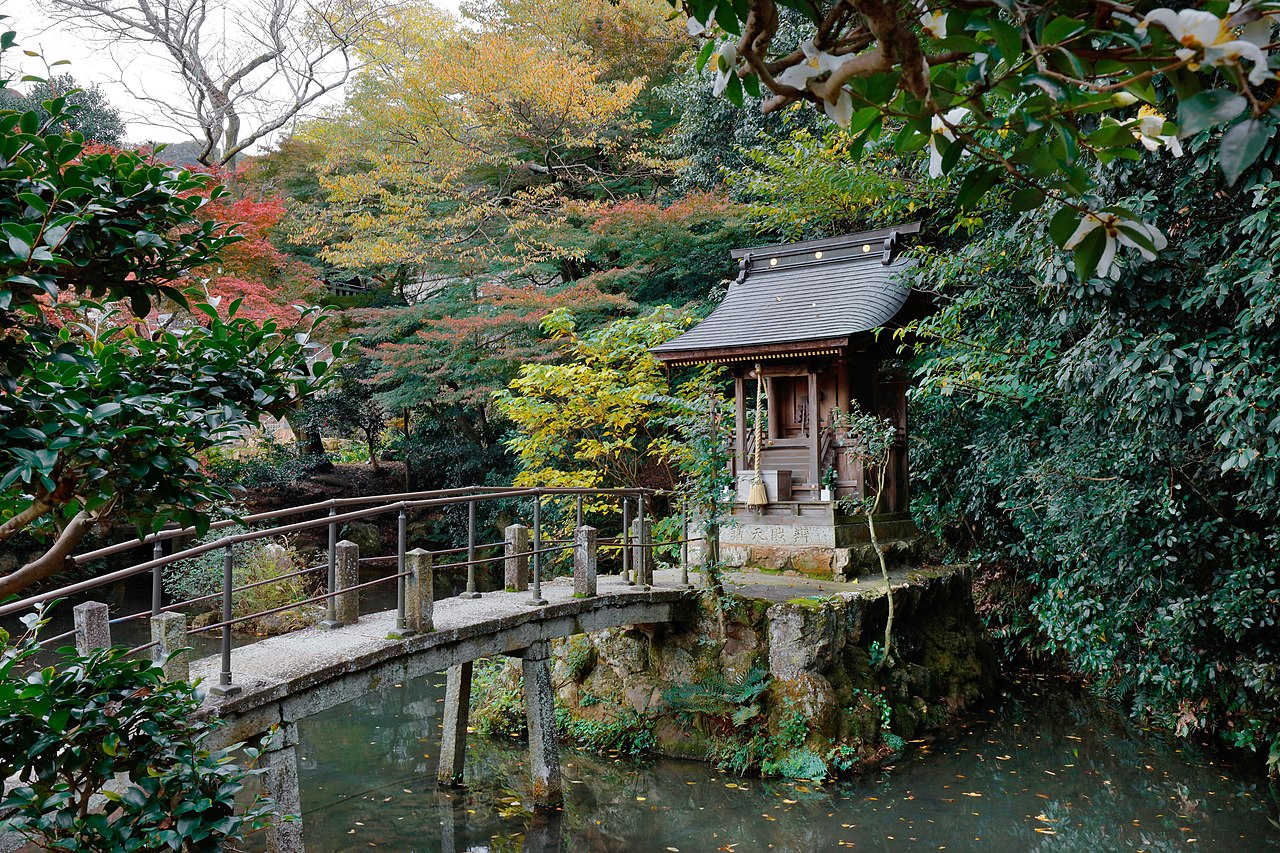
- Vermilion Io Bridge and Ravine: The red bridge over the Asuka River flowing before the temple and the beauty of the ravine, together with the autumn foliage, make an ideal photo spot.

Enjoying the Seasons
The greatest highlight is the autumn foliage. The grounds, the approach, and the area around the Io Bridge blaze with color, making it one of Gifu's foremost foliage spots. At its peak in November, light-ups are sometimes held, letting you enjoy different faces by day and night. The fresh greenery of spring and the young green maples of summer are also beautiful, and for quiet worship, the fresh-green season is recommended as well.

Access and Basic Information
- Location: 1160 Tanigumi-kanbara, Ibigawa Town, Ibi District, Gifu Prefecture
- Access (public transport): From Tanigumiguchi Station on the Tarumi Railway, use the Ibigawa Town community bus
- Access (car): About 45 minutes from the Ogaki Interchange on the Meishin Expressway. Parking is available nearby.
- Hours: Daytime (the temple office and treasure hall have set viewing hours)
- Admission: Free for the grounds (viewing the Ruri-den and Shari-do halls charges a fee)
Practical Travel Notes
- Best season and time: Mid-November, when the foliage peaks, is the most beautiful, and if light-ups are held the dreamlike night scene is also a highlight. For daytime viewing, mornings are calmest.
- Avoiding crowds: On foliage-season weekends the approach and parking get crowded. Choosing an early morning or a weekday lets you take your time.
- Time needed: About an hour and a half for strolling the grounds and viewing the treasure hall and Shari-do. Combined with nearby Kegonji it becomes a half-day outing.
- Nearby spots: Tanigumisan Kegonji, the concluding temple of the Saigoku Thirty-Three, also in Ibigawa Town, is close by, letting you enjoy a temple tour and leaf viewing at once.
- Budget feel: The grounds are free, and hall admission is a few hundred yen. Even with a meal, it is an easy temple outing.
A Quick Tip
Touring it together with nearby Tanigumisan Kegonji is recommended, letting you enjoy autumn leaf viewing and temple visits at once. The foliage season is crowded, so visit in the morning. Those wishing to view the cultural treasures and the mummified monk should check the viewing hours and fees in advance for peace of mind.
📚 Sources
The content here is organized from public information on Yokokuraji, official tourism information on Ibigawa Town, and on-site history plaques and signboards. The viewing hours of the main hall, treasure hall, and relic hall and parking availability change by season. The autumn foliage period is especially crowded. Because fees, hours, and access can change, please confirm with official sources before you set out.
Visitor Checklist
- Time needed: About an hour and a half for a precinct stroll and viewing the treasure hall and relic hall. Combined with nearby Kegonji it becomes a half-day outing.
- What to bring: You walk the vermilion Io Bridge and the precinct, so wear comfortable shoes, and prepare cash for the viewing fee and a goshuin seal stamp.
- Suggested route: Cross the vermilion Io Bridge into the precinct and view the abundant cultural properties and the relic Buddha.
- Timing guide: The autumn foliage is especially beautiful and crowded. For a relaxed look, come on a weekday morning.
- Combining nearby: Tanigumisan Kegonji in the same Ibigawa Town, the concluding temple of the Saigoku 33, is nearby, letting you enjoy a temple tour and foliage at once.
📍 Location & Access




Share this article


✍️ About this article
This article is compiled by the Tabitabi JAPAN editorial team from official and primary sources, including facility and shrine/temple websites, tourism information published by municipalities and tourism associations, and cultural-property records released by national and local governments. Prices, opening hours and event dates may change, so please also check the official information of each facility or local government before you visit.