
Nangu Taisha — The Grand Shrine of Metal and Craftsmanship on the Nakasendo
Nangu Taisha in Tarui Town, Fuwa District, Gifu Prefecture, is one of the most historically significant shrines in the Tokai region, the head shrine of all metal-related shrines in Japan, enshrining Kanayamahiko-no-Mikoto, the deity of metals, metalworking, and manufacturing. It has long drawn deep reverence from those in ironmaking and metal trades, and holds a special place in the industrially active Chubu region. Standing at Tarui-juku, a key point on the Nakasendo highway, it is an ancient shrine close to the site of the Battle of Sekigahara.
Highlights
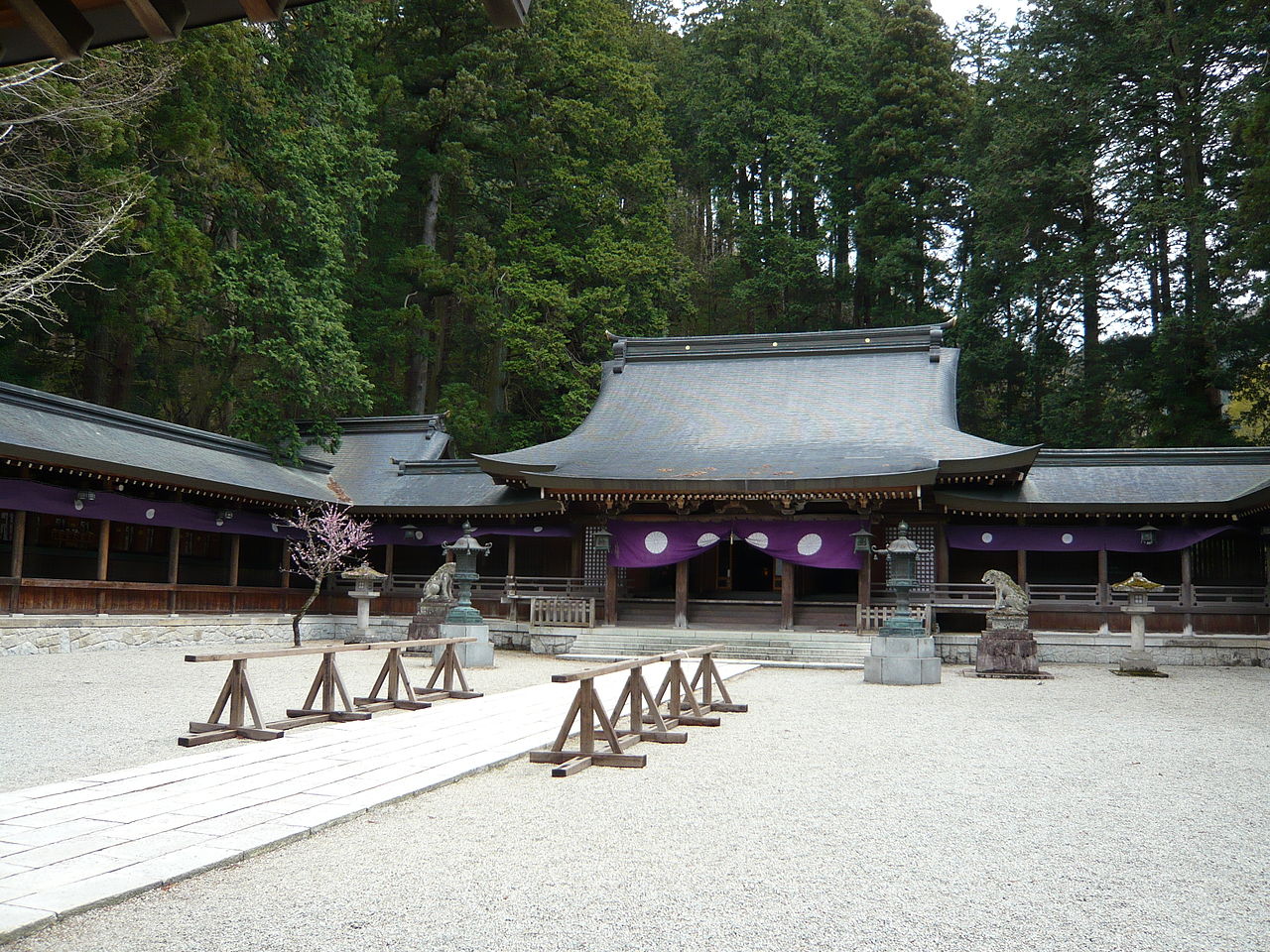
- The Important Cultural Property Halls: Eighteen structures, including the main hall, offering hall, and worship hall, as well as the raised dance stage, tower gate, and corridors, are designated National Important Cultural Properties. After burning down in the Battle of Sekigahara, the halls were rebuilt in 1642 by the third shogun Tokugawa Iemitsu, forming a magnificent vermilion-lacquered complex.
- The Takamaiden Dance Stage: A dance stage standing directly ahead once you pass through the tower gate. Its vivid vermilion lacquer colors the heart of the precinct.
- The Great Cedars of the Precinct: Aged cedars surround the halls, giving the whole precinct a solemn atmosphere.
- Sites of the Battle of Sekigahara: The Sekigahara battlefield, about a ten-minute drive from the shrine, preserves many historic sites and is a must-visit area for history lovers.

Enjoying the Seasons
In spring (March to April), the cherry blossoms in the precinct are beautiful and busy with viewers. In summer, on May 5, the Grand Festival is held with dedications of traditional rites. In autumn (October to November), foliage in the precinct colors the vermilion halls for a splendid scene. At New Year (January), many worshippers visit for their first prayers.

Access and Basic Information
- Location: 1734-1 Miyashiro-mine, Tarui Town, Fuwa District, Gifu Prefecture
- Transport: About 1 km southwest of Tarui Station on the JR Tokaido Main Line, a roughly 20-minute walk, or about 5 minutes by taxi
- By car: About 15 minutes from the Sekigahara Interchange on the Meishin Expressway, or about 20 minutes from the Ogaki Interchange
- Hours: Precinct open freely (shrine office and amulet counter 9:00 to 17:00)
- Admission: Free
- Time required: About 1 hour
Practical Travel Notes
- Best season and time: The cherry blossoms of March to April and the foliage of October to November are especially beautiful, and photographing the halls in the morning light is recommended. The Grand Festival on May 5 is a special day to observe the rites.
- Avoiding crowds: Usually a calm, uncrowded spot, though New Year and the Grand Festival get busy. For a relaxed look, come on a weekday morning.
- Time needed: About an hour for viewing the halls and strolling the precinct. Combined with the Sekigahara battlefield it becomes a half-day to full-day outing.
- Nearby spots: The Sekigahara battlefield (about 10 minutes by car) and the townscape of Tarui-juku on the Nakasendo make this an ideal area for historical walks.
- Budget feel: Worship is free. Even with amulets, a goshuin seal stamp, and a nearby meal, it remains an inexpensive outing.
A Quick Tip
The Important Cultural Property halls of Nangu Taisha are an off-the-beaten-path spot where you can worship calmly with relatively few tourists. A recommended course is a history-and-shrine tour combining the nearby Sekigahara battlefield (about 10 minutes by car) and Tarui-juku on the Nakasendo. For those in the ironmaking and metal industries, it is a shrine of special connection.
📚 Sources
The content here is organized from public information on Nangu Taisha, official tourism information from Tarui Town and Sekigahara Town, and on-site signboards. The reception hours of the shrine office and amulet counter, the schedule of the Grand Festival, and parking availability may change. Parts of the halls, which are national Important Cultural Properties, may be restricted for preservation work. Because fees, hours, and access can change, please confirm with official sources before you set out.
Visitor Checklist
- Time needed: About an hour for viewing the halls and strolling the precinct, or a half day to a full day combined with the Sekigahara battlefield.
- What to bring: Worship in the precinct is free, but the counter for amulets and goshuin seal stamps is open from 9:00 to 17:00, so bringing cash is reassuring.
- Suggested route: Pass through the tower gate to worship the Important Cultural Property halls such as the Takamaiden and main hall, then take in the great cedars of the precinct.
- Combining nearby: A history walk that pairs the Sekigahara battlefield about 10 minutes away by car and the townscape of Tarui-juku on the Nakasendo is recommended.
- Dress guide: The precinct is broad and involves walking, so comfortable shoes are suitable.
📍 Location & Access


Share this article



✍️ About this article
This article is compiled by the Tabitabi JAPAN editorial team from official and primary sources, including facility and shrine/temple websites, tourism information published by municipalities and tourism associations, and cultural-property records released by national and local governments. Prices, opening hours and event dates may change, so please also check the official information of each facility or local government before you visit.