
Ibaraki Local Gourmet Guide: Mito Natto
Mito Natto
"Natto means Ibaraki, and Ibaraki means natto" — but have you ever actually experienced this undeniable truth at its source? The natto you eat in Mito — Japan's top natto-producing city — is a world apart from those small plastic packs at the supermarket.
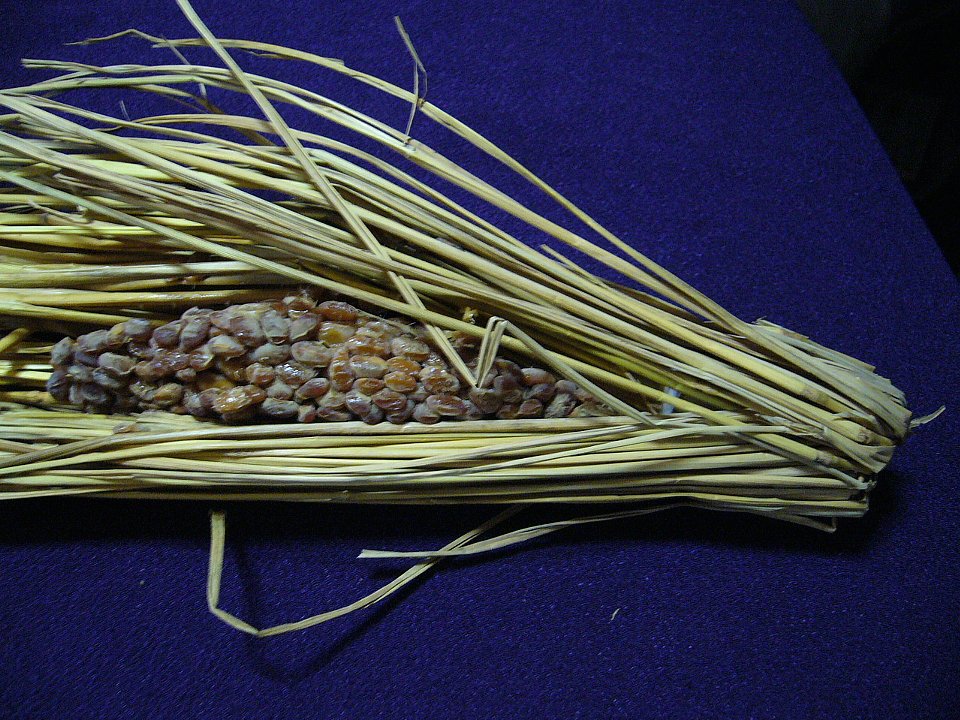
The essence of Mito natto lies in the traditional method of using Ibaraki-grown soybeans called "natto kotsubu," wrapped in straw bundles (wara-tsuto) and fermented slowly. The natural bacteria living in the straw gently envelop the beans, creating a complex umami and perfectly balanced stickiness that commercial products simply cannot replicate. The moment it enters your mouth, a rich, nutty aroma and the natural sweetness of the beans spread slowly on your palate. "I've never had natto like this before" — those words will come naturally to your lips.
Characteristics
Within Mito City, long-established natto specialty shops preserve their own unique flavor profiles. Must-try local arrangements include natto paired with karashi renkon (spicy lotus root) and natto soup with generous amounts of green onion — creative local preparations you won't find elsewhere. The popular tourist destination "Ten-Mito" sells a wide variety of natto products and makes for a fun shopping stop.
Where to Eat
In Mito City, specialty natto shops near Mito Station and the Kairakuen area are recommended. The Ibaraki Prefectural Commerce and Industry Center near JR Mito Station has a comprehensive food market where you can compare multiple natto varieties side by side.
Price Range
Approximately 300–1,200 yen depending on quantity and grade.
Anko Nabe (Monkfish Hot Pot)
Among all of Japan's regional winter dishes, anko nabe — a rich hot pot made with monkfish — is one of the most extraordinary. The monkfish, sometimes called "the foie gras of the sea" for its incredibly rich, fatty liver, is a winter specialty of the Ibaraki coast.
The hot pot is made by combining the liver with miso into a "dobu jiru" (cloudy broth) base, then simmering the fish meat, roe, and skin together with vegetables. Each ingredient absorbs the deep, rich broth, and the result is a warmth and satisfaction that permeates your entire body on a cold winter day.
In Kitaibaraki City and Oarai Town — the main landing ports for monkfish — you can enjoy high-quality anko nabe at reasonable prices.
Characteristics
The defining element of anko nabe is the "liver paste" (kimo ate) technique used to make the broth. Rather than cooking the liver separately, it is mashed and blended directly into the miso-based broth before cooking, which gives the soup its characteristic depth and creaminess. This is a flavor that cannot be produced by any other method.
Best Season
November to February, when monkfish are at peak quality and flavor.
Where to Eat
Seafood restaurants in Oarai Town and Kitaibaraki City. Many places offer set menus starting at around 3,000–5,000 yen.
Stamina Ramen
Stamina ramen is a proud local specialty unique to Ibaraki Prefecture. The defining feature is the pile of stir-fried liver and Chinese chives (nira) heaped on top of the ramen — a combination that might seem surprising at first, but the savory depth of the liver, the fragrant chives, and the punchy, garlicky sauce all work together in perfect harmony.
The dish was born in Tsuchiura City and has spread throughout Ibaraki, with each shop developing its own unique take on the recipe. The sauce — sweet, salty, and packed with umami — clings to the noodles and makes the bowl utterly satisfying.
Characteristics
Despite its bold ingredients, the combination is surprisingly easy to eat. The liver is prepared in a way that minimizes any strong gamey flavor, and the garlic-forward sauce ties everything together. Many shops offer adjustable spice levels.
Recommended Restaurants
Shops in Tsuchiura City (the birthplace of the dish) and throughout Ibaraki Prefecture. Look for restaurants with "Stamina Ramen" prominently displayed — it's a point of local pride.
Price Range
Approximately 800–1,200 yen.
Hitachi-Naka Melons (Ibaraki Muskmelons)
Ibaraki is Japan's top melon-producing prefecture, and the pride of the harvest is the Ibaraki muskmelon — a premium fruit known for its exceptional sweetness, juicy flesh, and beautiful net-patterned skin. The melons grown in the sandy soils of the Hitachi-Naka area are particularly celebrated.
Eating a perfectly ripe Ibaraki muskmelon is a genuinely luxurious experience. The flesh is so tender it practically melts, and the natural sweetness is so intense it seems almost too good to be true. Local melon stands and farm shops sell freshly harvested melons at prices significantly lower than in Tokyo.
How to Enjoy It
Many melon farms offer melon-eating experiences where you can sit in the orchard and eat half a melon scooped out right from the shell. This is a beloved summer activity for families.
Season
May to August, with peak season in June and July.
Where to Buy
Direct-sales stands at melon farms in Hitachi-Naka City, and roadside stations (Michi-no-Eki) throughout Ibaraki.
Price Range
One whole premium muskmelon: approximately 2,000–8,000 yen depending on grade and size.
Sasa Mochi (Bamboo Leaf Rice Cakes) and Other Local Sweets
Among Ibaraki's traditional sweets, sasa mochi — soft mochi rice cakes wrapped in fragrant bamboo leaves and filled with sweet bean paste — are a beloved local treat with a long history. The natural aroma of the bamboo leaf transfers gently to the mochi, adding a subtle herbal fragrance to each bite.
Other notable local sweets include Mito Komon-related confections inspired by the famous Edo-era lord Mito Mitsukuni (popularly known as "Mito Komon"), and various traditional sweets sold at shops around Kairakuen Garden.
Where to Buy
Shops around Mito Station and Kairakuen Garden, and at souvenir areas throughout Ibaraki.
Ibaraki's gourmet scene is richer than most people expect — from the world-class freshness of Mito natto to the deeply satisfying warmth of anko nabe, the bold flavors of stamina ramen, and the extraordinary luxury of Hitachi-Naka melons. Let the flavors of Ibaraki become one of the highlights of your journey.
Practical Information for Your Visit
- Season for monkfish: Monkfish is landed almost all year round apart from the closed season of July and August, but the peak season is said to be from around November to March, when the water temperature drops and the livers grow plump.
- Main landing ports: Hirakata and Otsu (Kitaibaraki City), Kuji (Hitachi City) and Nakaminato (Hitachinaka City), among others. The fish is caught by bottom-trawl boats all along the prefecture's coast, and monkfish taken off the Joban coast is highly rated on the market as Joban-mono.
- Main areas where it is served: Monkfish hotpot in the coastal areas such as Kitaibaraki City, Oarai Town and Hitachinaka City; Mito natto and stamina ramen in Mito City.
- Mito Tourist Information Centre (1-1-1 Miya-machi, Mito City, Ibaraki Prefecture / beside the ticket gates of JR Mito Station): open 9:00-18:00, closed 29 December to 3 January. You can get information here on the city's tourist facilities, transport, souvenirs and local specialities.
- Long-established natto makers: The city has shops that pride themselves on straw-wrapped natto, such as Mito Tengu Natto, Sasanuma Goro Shoten Co., Ltd. (3-4-30 Sannomaru, Mito City), founded in Meiji 43 (1910).
- Points to note: Restaurants serving monkfish hotpot fill up with reservations during the season, and shops handling fresh fish may close unexpectedly depending on what they are able to buy in. Please check by telephone or otherwise that a place is open before you visit.
Note: Opening hours and prices differ from establishment to establishment.
(Sources: Kanko Ibaraki, the official Ibaraki Prefecture tourism website; the official Ibaraki Prefecture website; the official website of the Mito Tourism and Convention Association; the official website of Mito Tengu Natto, Sasanuma Goro Shoten Co., Ltd.)
📍 Location & Access




Share this article


✍️ About this article
This article is compiled by the Tabitabi JAPAN editorial team from official and primary sources, including facility and shrine/temple websites, tourism information published by municipalities and tourism associations, and cultural-property records released by national and local governments. Prices, opening hours and event dates may change, so please also check the official information of each facility or local government before you visit.