
Mito Natto: The Sacred Land of Japan's Finest Fermented Soybeans
Japan's Top Natto Production Region
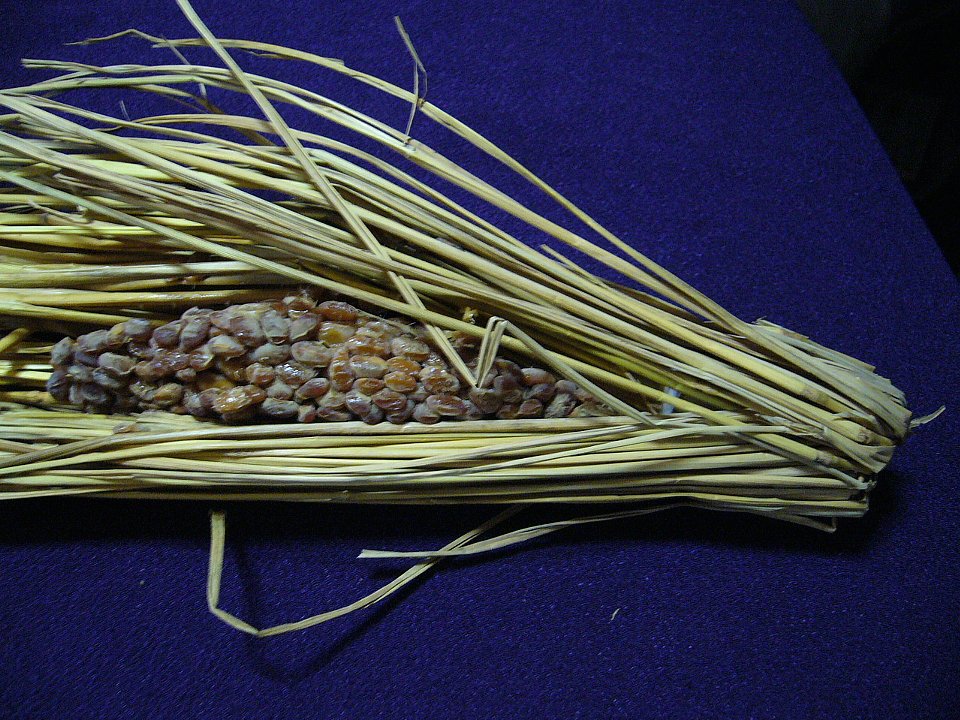
"When you think of natto, you think of Mito"—those words are not mere image. Mito City in Ibaraki Prefecture is one of Japan's leading natto production regions, a town that carries a long history and food culture into the present day.
There are various theories about its origin, but the high-quality soybeans nurtured by the climate and soil of this land, once called the Province of Hitachi, along with an environment well suited to fermented foods, have shaped Mito natto into its own distinctive food culture. Walk through the town and you will see the characters for natto everywhere, with long-established natto breweries dotting the streets. In Mito you can sense that natto is not merely a food but a symbol of the town's culinary culture.
The best season is from autumn to winter (October to February), when fermented foods taste their best. Spring (February to March), when you can combine your visit with the plum-famous Kairakuen, is also recommended, letting you enjoy both sightseeing and food culture. At well-known shops, visiting first thing in the morning just after opening may let you encounter fresh natto finished that very morning.
Hidden Gem Info: Beyond the station area where tourists gather, you can also tour the small natto breweries scattered around Mito City. Whether tours are accepted varies by brewery, so it is safest to inquire in advance with organizations such as the Mito Tourism and Convention Association.
Access: JR Mito Station is roughly 70 minutes from Ueno Station by the limited express "Hitachi," a distance well suited to a day trip from the city center. Souvenir shops around the station carry Mito natto from several makers, and comparing the flavors is one way to enjoy it.
Travel Tip: Since natto requires refrigeration, it is safest to bring a cooler bag or ice packs when purchasing. Popular shops and souvenir stores get crowded on weekends, so moving early in the morning is recommended.
A Diverse Range of Natto Cuisine
"Natto is something you pour over white rice"—Mito overturns that assumption in the best sense. In this town you can encounter a variety of local dishes that put natto in the starring role.
From ramen made with natto, whose stickiness and umami dissolve into the soup, to sweets that make use of the beans' flavor, and natto curry that blends spice with fermented depth, each shop offers its own distinctive menu. The charm lies in the gap between the surprise of the first bite and the sense of satisfaction that comes as you eat on.
These distinctive dishes can be enjoyed at shops scattered from around Mito Station to the Izumicho area. Touring the shops with a street-food map obtained at tourist information centers is recommended.
Hidden Gem Info: Beyond the flashy natto dishes, trying a "natto set meal" at a set-meal eatery or an old-fashioned diner frequented by local regulars is another way to touch Mito's food culture. Many shops offer reasonably priced set meals at lunchtime.
Access: Many restaurants cluster around JR Mito Station, so you can enjoy street food using the station as a base. At popular shops on weekends, a line may form before opening, so arriving early to match the opening time gives peace of mind.
Travel Tip: When eating street food, carrying wet wipes and an eco-bag will come in handy. Local natto made with Mito's high-quality soybeans is said to have little of the off-putting quality and to be easy to eat even for those who dislike natto.
The National Natto Appraisal Competition
Known among natto-related events is the "National Natto Appraisal Competition," where natto makers from across the country compete on the quality of their products.
Makers from all over Japan submit entries, and judging is carried out on points such as quality, flavor, and texture, making it a gathering of natto-making skill. The host location differs from year to year, and there are years when Mito City serves as the venue. Award-winning natto is sometimes sold to the public after the competition and is chosen as a talked-about souvenir.
A Point Not to Be Missed: The event is often held from winter into early spring, and in years when it takes place in Mito it may overlap with the plum festival season at Kairakuen. Since dates and venues change from year to year, it is safest to check official information from the organizers or the Mito Tourism and Convention Association in advance.
Access: The venue differs by year. When it is held in Mito, travel is generally by local bus or taxi from JR Mito Station. Parking can be crowded around the event dates, so using public transportation is recommended.
Travel Tip: If you visit Mito, choosing a local-brand natto as a souvenir is a nice touch. Since refrigeration is required, the smart choice is to bring a cooler bag and ice packs or to purchase it just before your return journey. Laying out the Mito natto you bring home on your own table brings the lingering memory of the trip back to life.
Practical Travel Notes
- Recommended seasons and times: Autumn to winter (October to February), when fermented foods taste best, is the target. At well-known shops, mornings just after opening are the best chance to encounter natto finished that day.
- Time needed: Allow about half a day for street food and souvenir shopping around the station. Combining it with the plum-famous Kairakuen makes a full-day itinerary.
- Avoiding crowds: Popular shops and souvenir stores get crowded on weekends. Moving early in the morning is recommended.
- Nearby spots: Using Mito Station as a base, you can combine historical sightseeing and food at Kairakuen, Kodokan, and the Mito Castle ruins.
- Budget sense: Natto dishes and set meals are mainly in an affordable range, and tasting-comparison souvenir sets are reasonably priced too.
- What to bring: Since natto requires refrigeration, it is safest to bring a cooler bag and ice packs when purchasing, or to buy it just before your return journey.
📚 Sources
This article is based on information published by Mito City and the Mito Tourism and Convention Association, guidance from natto breweries and shops in the city, and details published by the organizers of the National Natto Competition. Whether breweries allow visits, shop hours, and the competition dates and venues may vary by year. Before your visit, please confirm the latest details through official Mito Tourism and Convention Association information or shop notices.
Visitor Checklist
- Approximate time: About half a day for tasting and souvenir shopping around the station; a full day combined with the plum grounds of Kairakuen
- What to bring: Natto needs refrigeration, so bring a cooler bag and ice pack or buy just before heading home; wet wipes and an eco bag are handy for tasting on the go
- Suggested route: Starting from Mito Station, follow a tasting map through natto eateries from around the station to the Izumicho area, then compare several makers of Mito natto at souvenir shops
- Seasonal tip: Autumn to winter, when fermented foods taste best, is ideal; famous shops offer freshly made natto in the morning right after opening
- Nearby spots: Kairakuen, the Kodokan, and the Mito Castle ruins let you combine history and food from Mito Statio
Practical Information for Your Visit
- Mito Tourist Information Centre: Beside the ticket gates of JR Mito Station (1-1-1 Miya-machi, Mito City). Open 9:00-18:00, closed from 29 December to 3 January. It provides information on the city's tourist facilities, transport, souvenirs and local specialities, and Wi-Fi is available (TEL 029-221-6456).
- Kairakuen, worth visiting at the same time (opening hours): 6:00-19:00 from mid-February to 30 September, and 7:00-18:00 from 1 October to mid-February. The areas outside the main garden are open at all times.
- Kairakuen, worth visiting at the same time (admission): General admission is 320 yen for adults and 160 yen for children, and group admission (20 or more) is 240 yen for adults and 130 yen for children. Visitors aged 70 and over pay half price. Except during the plum blossom festival (roughly from mid-February to the end of March each year), admission is free for everyone from opening time until 9:00 in the morning.
- National Natto Competition: Organised by the National Federation of Natto Cooperative Associations. In recent years it has consistently been held in November, and the host city changes from year to year (the 26th edition was on 9 November 2022 in Mito City, the 27th in 2023 in Nagano City, the 28th in 2024 in Osaka City, and the 29th on 21 November 2025).
Note: Whether natto storehouses and factories accept visitors, and on what conditions, differs from company to company. Please check directly with each company before visiting.
(Sources: official website of the Mito Tourism and Convention Association, Mito Tabi; official Kairakuen website; official website of the Natto PR Centre of the National Federation of Natto Cooperative Associations)
📍 Location & Access



Share this article


✍️ About this article
This article is compiled by the Tabitabi JAPAN editorial team from official and primary sources, including facility and shrine/temple websites, tourism information published by municipalities and tourism associations, and cultural-property records released by national and local governments. Prices, opening hours and event dates may change, so please also check the official information of each facility or local government before you visit.