Kanazawa Japanese Sweets: Beautiful Kaga Confections Nurtured by Tea Ceremony Culture
Kanazawa is known as a city with high consumption of Japanese sweets, one of the nation's leading centers of wagashi. Tea ceremony culture flourished from the days of the Kaga domain, developing the fine confections served at tea gatherings. Sometimes ranked with Kyoto and Matsue as one of Japan's three great sweets towns, it has produced many beautiful namagashi fresh sweets reflecting the changing seasons, along with famous confections unique to Kaga.
Highlights
Behind Kanazawa's wagashi culture lies its history as a castle town of the Kaga domain. The Maeda family, lords of Kaga, generously supported culture and the arts, and refined pursuits such as the tea ceremony blossomed. Seasonal namagashi were essential at tea gatherings, and confectioners honed their skills competing in beauty and flavor.
- Namagashi: Sweets that delicately express the flowers and scenes of each season, like small works of art, enjoyed with matcha at geisha-district cafes and sweets shops.
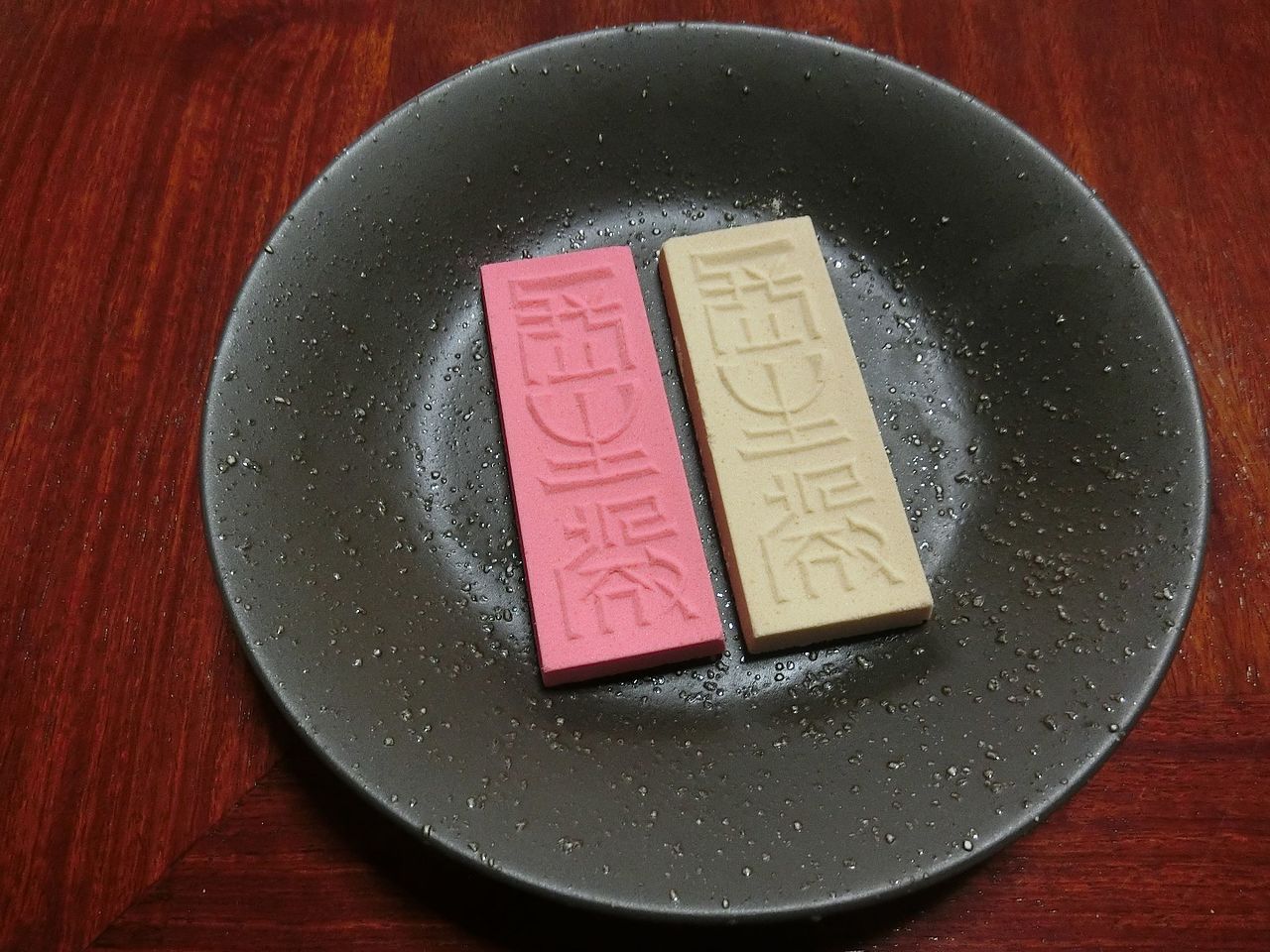
- Famous Kaga confections: Dried sweets such as rakugan, traditional sweets made with glutinous rice, and gaudy sweets finished with gold leaf are among the items that make welcome souvenirs.
- Long-established shops: Wagashi shops dating from the Edo period are scattered through the city, where traditional flavors can be enjoyed at establishments with over a century of history.
- Modern Kanazawa sweets: Photogenic contemporary treats, such as soft-serve topped with gold leaf, are also popular.

Seasonal Enjoyment
Kanazawa's wagashi can be enjoyed year-round, but namagashi designs change with the seasons, offering new discoveries each visit. A classic pleasure is stopping in between sights, around Kenroku-en or the geisha districts, to savor them with matcha.

Access and Basic Information
- Location: Kanazawa City, Ishikawa (long-established shops and sweets parlors are scattered throughout)
- Access: Kanazawa Station on the Hokuriku Shinkansen is the gateway; reach sights by bus
- Fees: Vary by shop and product
- Shopping: Long-keeping dried sweets suit souvenirs, while namagashi are best enjoyed the same day
Practical Travel Notes
- Namagashi are delicate and do not keep long, so they are best eaten the day they are bought.
- Long-keeping sweets such as dried confections and monaka wafers are well suited as souvenirs.
- Popular long-established shops may sell out of seasonal sweets early, so a morning visit is safest.
- Many geisha-district cafes offer sets of sweets and matcha for a relaxing break.
A Word of Advice
Strolling the atmospheric streets of Higashi Chayagai while visiting long-established wagashi shops is a graceful pleasure unique to Kanazawa. Combined with the garden beauty of Kenroku-en, savor the confectionery culture of Kaga.
📚 Sources
This article is based on information on food culture published by Kanazawa City and the Kanazawa City Tourism Association, and information from the long-established sweet shops and tearooms scattered across the city. Fresh jonamagashi sweets change design by season, while keeping qualities differ by product, such as long-lasting dry sweets. Fees, hours, and access may change, so please check each shop's official information before setting out.
Visitor Checklist
- Time needed: Allow 30 minutes to an hour to pause with matcha at a teahouse-district cafe or tearoom, or about a half day if you tour long-established shops.
- What to bring: Fresh jonamagashi are delicate and short-lived, so enjoy them the day you buy them. For souvenirs, long-lasting dry sweets such as rakugan or monaka are suitable.
- Suggested route: Stroll the Higashi Chayagai streetscape while visiting long-established sweet shops, and enjoy sweets with matcha at a cafe. Pairing this with the garden beauty of Kenroku-en makes for an elegant outing.
- Shopping tip: Popular long-established shops may sell out of seasonal sweets early, so a morning visit is reassuring.
Practical Information for Your Visit
Ishikawa Prefectural Tourist Products Center (2-20 Kenrokumachi, Kanazawa) / Wagashi Making Experience
- What you do: Artisans from long-established Kanazawa wagashi shops teach you how to make jo-namagashi (fresh confections). You take home four pieces in total: the three you make yourself plus one as a souvenir. A different shop leads the class each day
- Dates and times: January to November. Four sessions a day on Saturdays, Sundays and public holidays (10:00 / 11:30 / 13:00 / 14:30, except January 1); one session at 13:00 on weekdays (except the New Year period and Tuesdays in January and February). In December sessions are held irregularly
- Duration: About 30 to 40 minutes. It is best to check in about 15 minutes before the start time
- Price: 1,800 yen (includes a 500 yen shopping voucher)
- Venue and capacity: Multipurpose Hall on the 3rd floor of the Ishikawa Prefectural Tourist Products Center; from 1 to a maximum of 144 people
- Reservations: Online reservations are accepted up to 6 hours before the start time. After that, and on the day itself, book by telephone (076-222-7788)
- Parking: The prefectural Kenroku Parking directly opposite the center (480 spaces for ordinary cars and 40 for buses, open 24 hours year-round; ordinary cars 350 yen for the first hour and 150 yen for each additional 30 minutes). Spend 3,000 yen or more inside the center and you receive a voucher covering the first hour (worth 350 yen)
- Access: About 20 minutes by Hokutetsu bus from JR Kanazawa Station to the "Kenrokuen-shita / Kanazawa-jo" bus stop, then about a 1-minute walk
* The opening hours and closing days of the Ishikawa Prefectural Tourist Products Center are set month by month, so no year-round figures are published (in June and July 2026: 9:30-18:00 on weekdays, Saturdays and public holidays, and 9:00-18:00 on Sundays). Please check the current month's information on the official website before you go. * Opening hours and regular closing days at the city's long-established wagashi shops and dessert parlours differ from shop to shop and are not published in a uniform form.
(Sources: Ishikawa Prefectural Tourist Products Center official website)
📍 Location & Access


Share this article


✍️ About this article
This article is compiled by the Tabitabi JAPAN editorial team from official and primary sources, including facility and shrine/temple websites, tourism information published by municipalities and tourism associations, and cultural-property records released by national and local governments. Prices, opening hours and event dates may change, so please also check the official information of each facility or local government before you visit.