
Nanbu Ironware: 400 Years of Craftsmanship in Morioka's Dark Beauty
Nanbu ironware, produced chiefly in Morioka and Oshu in Iwate Prefecture, is a traditional craft with a long history. Designated a national traditional craft in 1975, it is prized for its solid, weighty feel and the way it deepens in character the more it is used. Water boiled in a nanbu iron kettle is said to become mellow, and the ware enjoys great popularity at home and abroad.
Highlights
Nanbu ironware has two lineages, one in Morioka and one in Mizusawa in Oshu. Morioka nanbu ironware began in the early Edo Keicho era (1596 to 1615), when the Nanbu lords of the Morioka domain invited casters as they developed the castle town, and production of tea kettles and iron kettles grew with the flourishing of the tea ceremony. The Mizusawa casting tradition, meanwhile, traces back to the late Heian period. The regions abundance of quality iron sand, iron, lacquer, and charcoal also supported the industrys growth. Under the domains generous protection, fine techniques were handed down through the generations.
The kettle is the signature product of nanbu ironware. Craftsmen shape it by pouring molten iron into a mold and apply the fine raised arare (hailstone) pattern to the surface one dot at a time by hand, showcasing advanced skill. Water boiled in an iron kettle draws out iron content and is said to taste mellow. In recent years colorful teapots have also been made and are popular overseas. At workshops and shops in Morioka you can watch the making and purchase pieces.
Seasonal Highlights
Because it can be enjoyed indoors, workshop visits and shopping are possible in any season. Winter is when hot water or tea boiled in an iron kettle is all the more welcome. Prized as a souvenir or gift, these are lifelong pieces to treasure. Adding a craft tour to your seasonal travels, alongside a Morioka city walk and cuisine, is recommended.
Access and Basic Information
- Nearest station: Morioka Station. With Tohoku Shinkansen service, access from the Tokyo area and Sendai is good.
- Craft shops and workshops: Craft shops are scattered around Morioka Station and the city, with places to watch artisans at work and facilities to learn the history of the ironware.
- Price range: From a few thousand yen for small items and teapots to tens of thousands of yen for full iron kettles, so you can choose to suit your budget.
- Another production area: Mizusawa in Oshu is also a major producer of nanbu ironware and worth a combined visit.
Practical Travel Notes
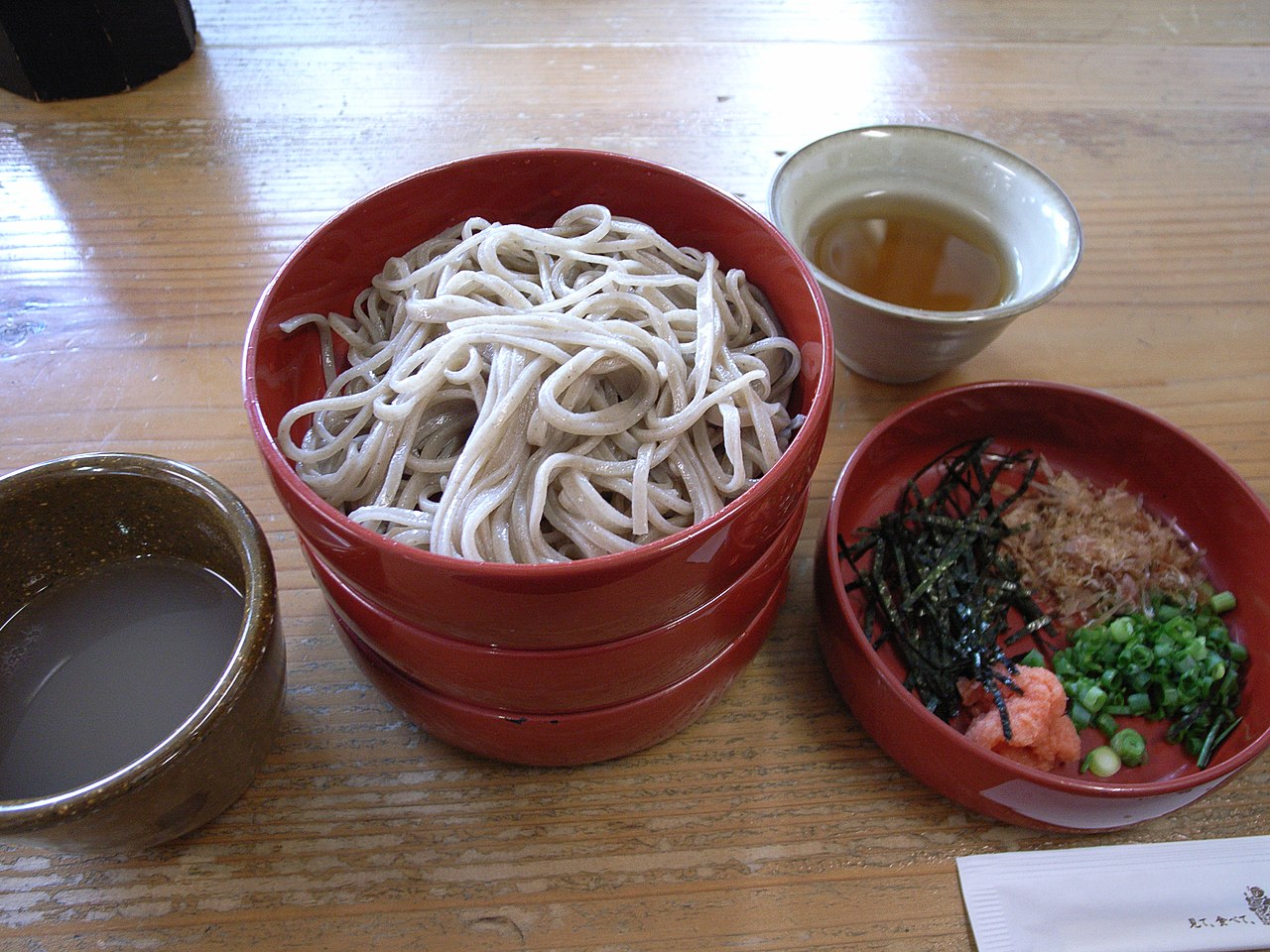
Touring workshops and shops, browsing one or two carefully, takes about one to two hours. Picking pieces up to feel their weight and texture reveals the ware's appeal. Iron kettles need a break-in when first used and last long with proper care, so ask the shop staff about maintenance when you buy. Using Morioka Station as a base lets you enjoy craft, food, and a city walk together with the Morioka Three Great Noodles of jajamen, wanko soba, and reimen, and a stroll through Morioka Castle Ruins Park. Small items are affordable, while many choose a full iron kettle as a lifelong investment.
A Word of Advice
An iron kettle is a lifelong piece that lasts with proper care. When you buy, ask the shop staff about breaking it in and about drying it thoroughly after use so no moisture remains. Colorful teapots are also popular as gifts for people abroad. Because the pieces are heavy, buying at the end of your trip or using delivery makes carrying them easier.
📚 Sources
This article was compiled by our editorial team based on public information from the cities of Morioka and Oshu, public information from the Morioka Tourism and Convention Association, public information from Nanbu ironware workshops and craft shops, on-site guidance, and general information about Nanbu ironware as a nationally designated traditional craft. Whether workshops can be visited, business hours, product price ranges, and workshop information in Mizusawa, Oshu may change. Before you set out, please check the latest details on the official information of each workshop and shop and the tourist information of Morioka.
Visitor Checklist
- Estimated time needed: about 1 to 2 hours to carefully visit one or two workshops or shops
- What to bring and prepare: iron kettles are heavy, so buy one at the end of your trip if you do; allow time to ask the shop about care. Prepare cash or electronic payment for a purchase
- Suggested route: starting from Morioka Station, tour craft shops and workshops, combined with the three great Morioka noodles and a stroll through Morioka Castle Ruins Park; visiting the other production area of Mizusawa in Oshu is also worthwhile
- A tip for choosing: picking pieces up to check their weight and feel reveals the appeal of the ironware
- Confirming care: an iron kettle needs a break-in when first used, so ask the shop about care at the time of purchase to be reassured
📍 Location & Access




Share this article


✍️ About this article
This article is compiled by the Tabitabi JAPAN editorial team from official and primary sources, including facility and shrine/temple websites, tourism information published by municipalities and tourism associations, and cultural-property records released by national and local governments. Prices, opening hours and event dates may change, so please also check the official information of each facility or local government before you visit.