
Yamagata Local Gourmet Guide: Imoni (Taro Stew)
Imoni
Standing on the riverbank of Yamagata as the autumn wind begins to blow, the aroma of soy sauce and sesame oil drifts from somewhere. "Imoni," the soul food that Yamagata Prefecture boasts, is a dish with the power to become deeply etched into your travel memories the moment you scoop up a single bite.
A soy-sauce-based broth where the umami of beef has slowly melted into the soft, smooth texture of taro. That deep flavor is something completed not in the deli corner of a supermarket nor in a tourist-spot eatery, but precisely in the land and air of Yamagata. Once you eat it, you will surely come to understand, with a satisfying click, why the local people love imoni so much.
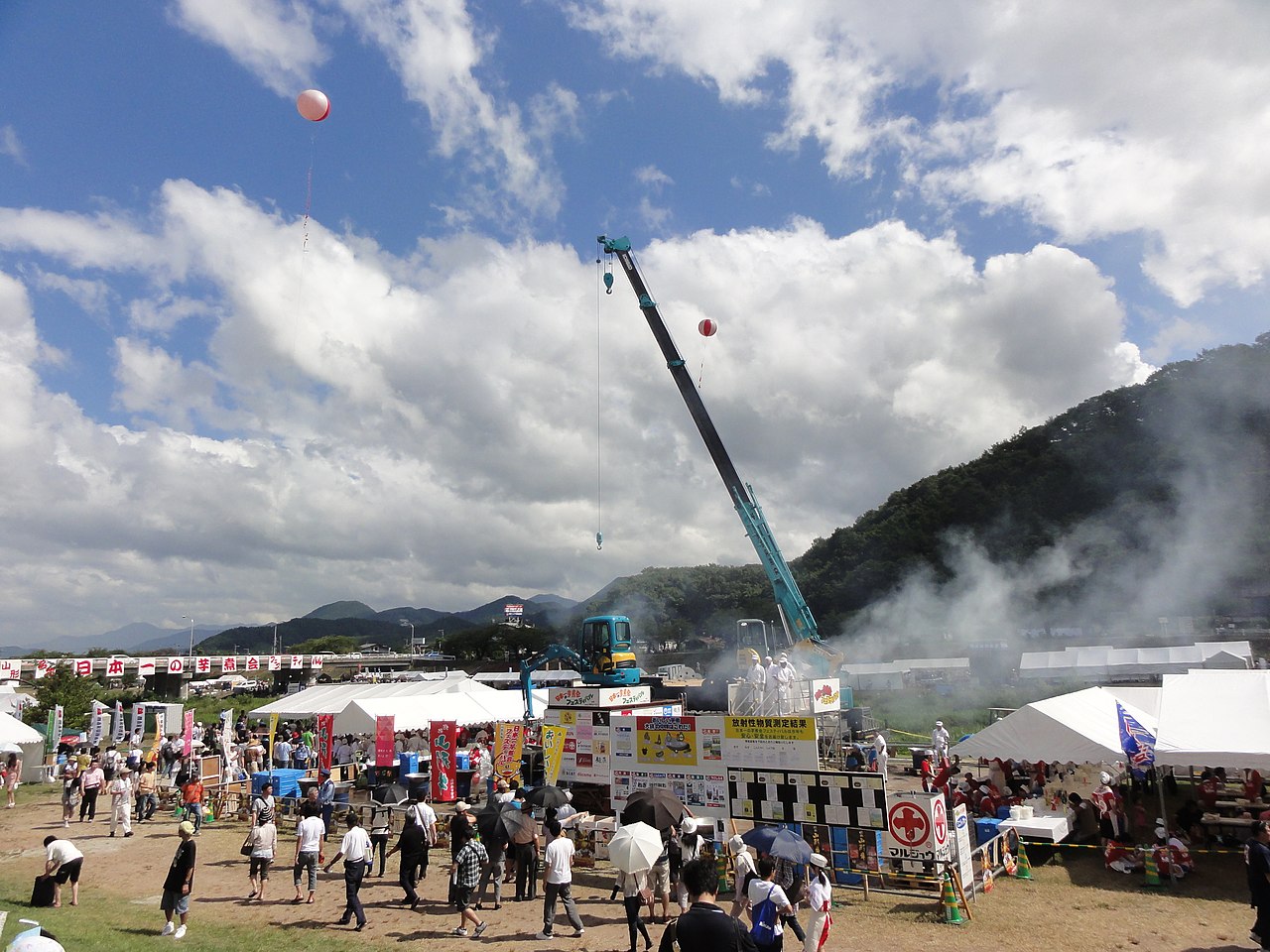
At the Mamigasaki River flowing through Yamagata City, the "No. 1 Imoni Festival" is held every year on the first Sunday of September. This event, where 30,000 servings of imoni are served from a giant pot 6 meters in diameter, is a major seasonal tradition symbolizing Yamagata's autumn. The white steam rising from the riverside, the circle of people whose laughter never stops, and the savory aroma of soy sauce drifting over. Just standing there, you are wrapped in a somehow nostalgic and warm feeling. The most delightful thing about this event is that travelers can join that circle too.
Features
Indispensable to Yamagata's imoni is the fine-textured taro called locally "dotare." It does not fall apart easily even when cooked through, and the soft, fluffy elasticity when you grab it with chopsticks is irresistible. The "Yamagata City style," combining beef, konnyaku, and green onion in a soy-sauce base, is the royal-road flavor, with such completeness that even first-time eaters nod, thinking "this is it." On the other hand, in the Okitama region in the south of the prefecture, they use a miso base with pork, and the differing individuality by region is also one of the joys. Even with the same "imoni," eating it comparatively across areas lets you feel the depth of Yamagata's food culture more vividly.
In fact, in Yamagata, the "imoni party," where friends and family gather on the riverbank and make imoni themselves, is deeply rooted as a customary autumn event. If you go to a local supermarket, an "imoni set" combining taro, beef, konnyaku, and broth soy sauce into one is sold at an affordable price, and the "imitation imoni experience" of borrowing a pot at your accommodation and making it yourself is also quietly gathering popularity among travelers. Being able to experience not just eating but the joy of making it too is the breadth of imoni as a dish.
The best season is September to November. If you want to feel the riverbank "imoni party" culture firsthand, early October, when the autumn leaves begin to color, is especially recommended. The time spent gathered around a steaming pot while the mountain ridgelines are dyed red and yellow is sure to be a highlight of your trip. Since you can taste it year-round at local cuisine restaurants in the city, please visit regardless of the season.
Tips for Travelers
Since the Imoni Festival is extremely crowded, be prepared to line up before the venue opens. It is wise to visit in the early morning hours, and to be sure of tasting it before it sells out, aiming for right after the venue opens is best. Since the riverbank may have poor footing, easy-to-walk sneakers are a must. Also, on days when the sunlight is strong, don't forget a hat and drinks. If you visit in a period other than the festival, the style of savoring it calmly and leisurely at a local cuisine restaurant in the city is also recommended.
Access: About 20 minutes on foot from JR Yamagata Station, or right after getting off at "Mamigasaki" on the city loop bus "Benibana Bus." Since temporary shuttle buses are sometimes operated on the day of the festival, it is reassuring to check in advance at the Yamagata City Tourist Information Center.
Hiyashi Ramen (Chilled Ramen)
"Eat ramen chilled?" Even those who tilted their heads in puzzlement when they first heard it will surely be convinced once they slurp it. "Hiyashi ramen," said to have originated in Yamagata, is a food culture that took root only in this land, refreshingly blowing away the summer heat.
Ice-cold, transparent soy-sauce soup, with medium-thin noodles that firmly keep their bite. The chilly sensation when you hold a bowl with ice floating in it, and the clean chicken-based umami that spreads with the first bite. After walking all around the Yamagata streets in the humid midsummer heat, the bowl you reach after passing under the shop curtain is truly a reward for travel. Cold yet rich, light yet satisfying. That exquisite balance cannot be fully conveyed in words unless you experience it once.
There are various theories about its origin, but the leading theory is that a long-established eatery in Yamagata City devised it as a summer menu item in the early Showa period. Since then, it has continued to be loved across generations as an indispensable presence on Yamagata's summer table. Its spread to tourists is relatively recent, and locally the culture of "summer means hiyashi ramen" had long breathed as a matter of course.
Tips for Eating Around
If you want to enjoy hiyashi ramen, we recommend walking the long-established eatery district of the Nanukamachi to Bunshokan area in the center of Yamagata City. Eateries that fully retain the Showa atmosphere line up, and the soup preparation and ingredients differ from shop to shop. One shop is a light chicken-bone style, another shop has a complex flavor accented with seafood. Comparing several shops makes the differences in their individuality vivid, and the joy of finding "your own favorite shop" arises.
As hidden gem info, the "popular eateries around the central market," frequented by locals, is an area not much known to tourists. The experience of slurping hiyashi ramen as a substitute for breakfast, standing shoulder to shoulder with local men, at reasonable prices unrelated to tourist-spot prices, should become an unforgettable scene of your trip. Here is the lived-in face of Yamagata, not listed in any guidebook.
The best season is June to August. Since many shops offer it as a summer-limited menu item, it is a dish you must eat if you visit Yamagata in this period. Especially in the height of summer in July to August, since locals too have more chances to choose hiyashi ramen when dining out, the whole town is wrapped in a "hiyashi ramen mood." Many long-established shops open from around 10 AM, so visiting before noon when sightseeing gets crowded lets you take a seat relatively smoothly. Conversely, since not a few shops end their offering by late September, the iron rule is to act early once you think you want to eat it.
Tips for Travelers
Since popular shops form lines at lunchtime (11:30 to 13:00), visiting right after opening or after 14:00 is recommended. Even while lining up, conversations with locals sometimes arise, which is a very Yamagata thing. Since the cold soup can chill your body more than expected, it is reassuring to bring one layer to throw on even in summer. Also, since the salt seeps into a body chilled after sweating, be careful not to drink up even the soup (though you'll inevitably want to drink it up).
Access: Many famous shops are concentrated within a 10 to 15 minute walk from JR Yamagata Station. If you make use of the rental bicycles in front of the station, eating around the city becomes more comfortable and efficient. By bicycle, you can casually move from the Nanukamachi area to around the central market, becoming a strong ally for shop-hopping.
Dashi
"Dashi," indispensable to the Yamagata table, is the crystallization of a fermentation and condiment culture known only to those in the know. A condiment dish with a thick, smooth texture, combining finely chopped eggplant, cucumber, myoga, perilla leaf, natto kelp, and so on. If you pile it generously on white rice and take a bite, you find your hand reaching for "one more bowl" at its complex umami and refreshing aroma. A depth unimaginable from its simple appearance is packed tightly into this small bowl.
The origin of the name is from "the natural dashi (umami) that comes out of vegetables." This simplicity, drawing out the flavor of the ingredients themselves without using excess seasoning, tells of the sincerity of Yamagata's food culture. If imoni and hiyashi ramen are "festive foods," then "dashi" is truly Yamagata's "everyday food." It is such a sinfully lovable presence that quietly accompanies the daily table and makes you have however many bowls of rice as refills.
If you visit Yamagata, please search for handmade "dashi" at a local morning market or roadside station. The blend of vegetables and amount of kelp differ subtly by household, and you may encounter bottled "dashi" carefully prepared by a grandmother. The lively flavor of vegetable texture and aroma, not found in store-bought products, is unforgettable once you experience it. If you ask the morning-market vendors "what is the most delicious way to eat it?", you may be taught unexpected ways of eating. Conversations with locals are sure to make the flavor of your trip even richer.
It is also excellent as a souvenir, and vacuum-packed or bottled types can be brought home at room temperature or refrigerated. At the Yamagata Station souvenir shop "Yamagata Marugotokan Beni no Kura," or the antenna shops inside Kajo Central, a variety of "dashi" differing by region is lined up, and comparison-tasting sets are also gathering popularity. Whether you choose a bottled version to recreate "that household flavor" at home, or search for an unusual locally limited arrangement, here is a treasure-hunt-like joy of finding a product available only in Yamagata.
It also goes wonderfully on tofu or chilled tofu, and just mixing a little into the dipping sauce for somen makes your chopsticks unstoppable. The discoveries of how to eat it on your trip continue all the way to your dining table after returning home. "Dashi" has such a long-lasting aftertaste.
Tips for Travelers
Since fresh-type "dashi" does not keep, buying it on the final day of your trip is better. Bottled types can be brought on airplanes too, but check the airline's regulations on liquid and gel-type foods in advance. When "dashi" comes out at your accommodation's breakfast, please also try putting it not only on rice but on tofu or chilled tofu. Also, since roadside stations and morning markets have abundant selection in the morning, we recommend starting your sightseeing early and stopping by.
Access and Business Hours
The base for efficiently enjoying Yamagata Prefecture's gourmet food is JR Yamagata Station. Access is good too, about 2 hours 30 minutes from Tokyo Station on the Yamagata Shinkansen "Tsubasa." From Sendai it is compactly about 1 hour on the Senzan Line, an easy location to incorporate into a plan to drop by partway through a Tohoku trip. Around the station there is the tourist information center "Yamagata City Tourist Information Center," where the staff will carefully tell you that day's recommended shops, crowd information, and even the offering status of seasonally limited gourmet. The small effort of stopping by here at the start of your trip is sure to greatly enrich that day's dining experience.
Since each shop's business hours often vary by season and day of the week, we strongly recommend checking on the official SNS or by phone before visiting. Especially with hiyashi ramen, many shops are summer-limited, and it is not unusual for the offering to end by late September. Checking firmly at the stage of planning your trip can prevent the sad situation of "missing out on eating it."
For getting around Yamagata City, the Benibana Bus (city-center loop bus), which costs 160 yen within one zone and 320 yen when crossing zones (fares revised on April 1, 2026), is very convenient. It covers the major gourmet spots and tourist sites, and if you use this wallet-friendly bus well, you can tour multiple gourmet spots in a single day with room to spare. It is also a reliable presence when you are tired from walking or your luggage has increased. On fine-weather days, riding through the city cutting the wind on a rental bicycle in front of the station is also one way to enjoy the trip that lets you feel Yamagata more closely. Imoni, hiyashi ramen, dashi. Put the three flavors packed with Yamagata's food culture into your stomach and have a trip that fills even your heart, by all means in this town.
📍 Location & Access


Share this article


✍️ About this article
This article is compiled by the Tabitabi JAPAN editorial team from official and primary sources, including facility and shrine/temple websites, tourism information published by municipalities and tourism associations, and cultural-property records released by national and local governments. Prices, opening hours and event dates may change, so please also check the official information of each facility or local government before you visit.