
Sawara's Historic District: Little Edo Living on the Water
Sawara in Katori City, Chiba, is a graceful water township lined with Edo-period storehouses along the Ono River, earning it the nickname Koedo, or Little Edo. Once a thriving hub of Tone River shipping, it retains many of the sturdy merchant houses and storehouses built by its traders, and in 1996 it became the first place in the Kanto region to be designated an Important Preservation District for Groups of Traditional Buildings. With small boats gliding along the canal, long-established shops, and sites tied to Ino Tadataka, who created Japan first surveyed national map, the town offers a genuine sense of stepping back in time.

Highlights
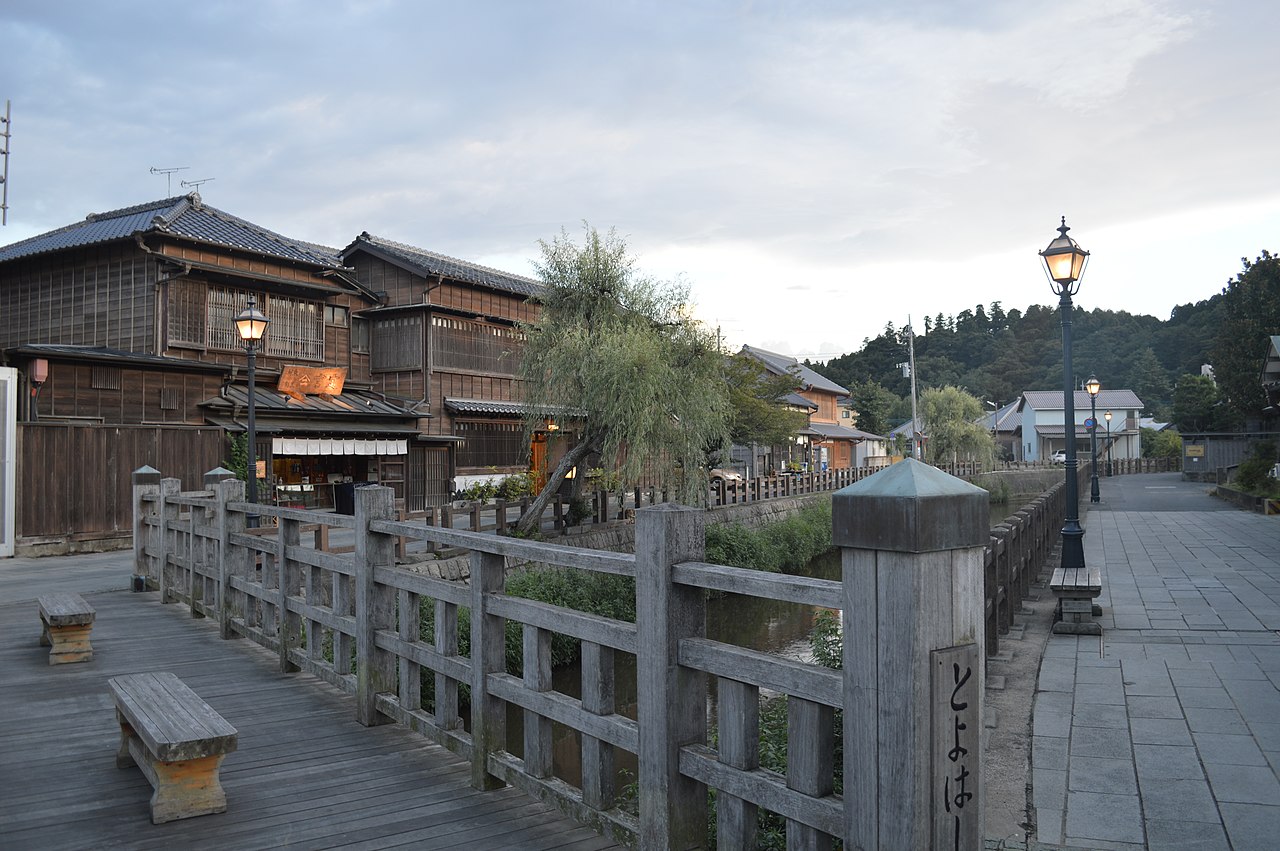
Sawara greatest charm is the historic streetscape lining both banks of the Ono River. Storehouse-style merchant homes and wooden townhouses built from the Edo into the Meiji era stand shoulder to shoulder, casting their reflections on the water in a quietly elegant scene. Once prosperous enough to be praised as surpassing Edo itself, the town still has many long-running shops in business, giving it a living sense of history, while willow trees along the canal soften the view.
Sawara is also known as the town where Ino Tadataka (1745 to 1818), maker of Japan first accurately surveyed map, spent his early years. His former residence beside the Ono River is a designated national historic site, and a nearby memorial museum traces his life and achievements.
Another highlight is the Koedo Sawara boat tour along the Ono River, where a boatman narrates as you drift past the old townscape from the water, an experience that captures the relaxed spirit of a canal town.
Practical Travel Notes
- Best time to visit: early summer for irises, summer and autumn for the Grand Festival, and cool, walkable spring and autumn
- Avoiding crowds: the Grand Festival and iris season are very busy, so weekdays and mornings are more relaxed
- Time needed: about half a day for the streetscape, a boat ride, and the memorial museum
- Nearby spots: Katori Jingu shrine, Suigo Sawara Ayame Park, and the Ino Tadataka Memorial Museum
- Budget feel: strolling is free; boat tours, the museum, and snacking run from a few hundred to low thousands of yen
Getting There & Tips
- The old town is about a 10-minute walk from Sawara Station on the JR Narita Line
- It is easy to reach on a day trip from the Tokyo area
- By car, the nearest exit is Sawara-Katori IC on the Higashi-Kanto Expressway
- Boat tours and the museum charge admission, while strolling the streets is free
- Wear comfortable shoes for the stone paving and riverside paths, and if time allows, pair the visit with nearby Katori Jingu, one of the great shrines of the Kanto region
📚 Sources
For the Sawara townscape (the first area in the Kanto region designated a national Important Preservation District for Groups of Traditional Buildings), the former residence and museum of Ino Tadataka, the Koedo Sawara boat tour, and the Sawara Grand Festival (a UNESCO Intangible Cultural Heritage), information published by Katori City, Sawara tourism bodies, and the museum is a helpful reference. Check the JR Narita Line's official information for access from Sawara Station. The boat tour and museum charge admission. Fares, hours, and access may change, so please confirm with official information before you set out.
Visitor Checklist
- Estimated time needed: Allow about half a day for a townscape stroll, the boat tour, and the museum.
- What to bring and prepare: Wear comfortable shoes as you walk cobblestones and the riverside. Coins or cash are handy for the boat tour, the museum, and snacking.
- Suggested route: About a 10-minute walk from Sawara Station, walk the storehouse-style townscape along the Ono River and visit Ino Tadataka's former residence and museum. View the townscape from the water on the Koedo Sawara boat tour and pair it with nearby Katori Jingu.
- Best time of day: For a leisurely walk, weekdays or mornings are comfortable.
- Seasonal note: Early summer for irises and the Sawara Grand Festival in summer and autumn are especially lively.
📍 Location & Access


Share this article


✍️ About this article
This article is compiled by the Tabitabi JAPAN editorial team from official and primary sources, including facility and shrine/temple websites, tourism information published by municipalities and tourism associations, and cultural-property records released by national and local governments. Prices, opening hours and event dates may change, so please also check the official information of each facility or local government before you visit.