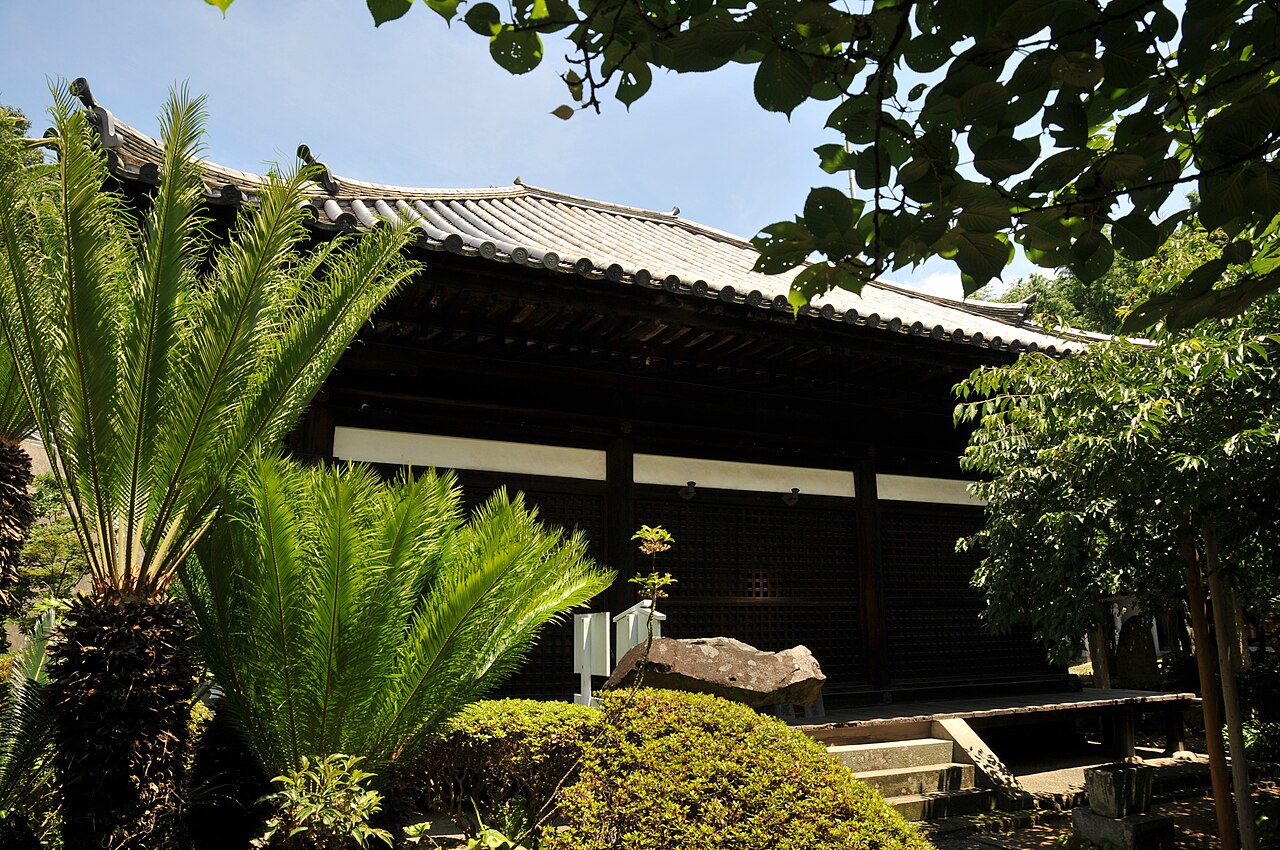
Daihoji, a Mountain Power Spot in Ehime at the Pilgrimage Midpoint
In Kumakogen, Kamiukena District, Ehime, Daihoji is the 44th temple of the Shikoku Eighty-Eight sacred pilgrimage. Its full name is Sugozan Daikakuin Daihoji, and it belongs to the Buzan school of Shingon Buddhism. Falling exactly midway among the eighty-eight temples, it is called the middle temple (nakafudasho), a significant turning point for pilgrims. Its principal image is an eleven-faced Kannon. According to temple tradition, two hunter brothers from Aki Province found a Kannon image in the mountains, and the halls were founded in 701 by imperial decree of Emperor Monmu. Standing on the Kumakogen plateau at about 570 meters, its approach is lined with giant cedars and old cypress trees designated natural monuments of the town, wrapping it in a solemn air.
Highlights
- Its special place as the middle temple, the turning point of the pilgrimage and a moment of quiet reflection on a journey around all eighty-eight sites.
- Giant cedars and aged cypress trees lining the approach, designated natural monuments of the town, towering over the long stone stairway.
- The pair of guardian Nio statues in the gate, said to date from the Muromachi period, lending the weight of age to this mountain temple.
- A hall and five-ring stone pagoda linked to the younger sister of Emperor Goshirakawa, said to bless ailments of the brain and head.

Enjoying the Seasons
The grounds are known as a spot for autumn foliage, when the old trees turn the mountain temple to brilliant color. Fresh green blazes along the steps in spring, and summer brings the coolness of a high mountain valley. In winter the quiet charm of a snow-dusted temple is remarkable, and the approach walked in one breath of white air feels all the more solemn. Through every season it shows the calm face typical of Kumakogen.
Access and Basic Information
- Location: Sugo, Kumakogen, Kamiukena District, Ehime
- Access: About 35 minutes by car from the Matsuyama interchange on the Matsuyama Expressway, following Route 33 toward Kumakogen. It is a few minutes by car from the center of the town.
- Public transport: JR Shikoku buses run toward Kumakogen from near JR Matsuyama Station and elsewhere. Services are limited, so check timetables in advance.
- Parking: There is a lot for worshippers.
- Worship: You can visit it as a pilgrimage temple and receive a temple stamp at the stamp office.
Practical Travel Notes
- A long stone stairway leads up to the main hall and the Daishi hall. Wear comfortable shoes and allow plenty of time for your visit.
- At this elevation the air runs several degrees cooler than in the city. Even summer mornings and evenings can feel chilly, and in winter watch for icy or snowy paths.
- Set among the mountains, the area grows dark early. It is best to finish your visit during the bright hours of the day.
- Roadside stations and shops selling local produce dot the town of Kumakogen, so you can pair your visit with the flavors of the highlands.
- Stamp and sutra reception hours are only approximate and may close early in the afternoon, so travelers coming from far away should aim to arrive by early afternoon.
A Quick Tip
The stone steps framed by giant cedars are solemn, and a slow walk alone settles the mind. As the middle temple marking a turning point, the very act of climbing one step at a time, unhurried, is a highlight of the trip. As it lies in the mountains, dress warmly in winter to prepare for cold and snow. (TabiTabi Japan Editorial Team)
📚 Sources
The information here is based mainly on the public guidance from Kumakogen town and its tourism association, along with the notices of the Shikoku Eighty-eight Sacred Sites association. The information for the old cedars and cypress along the approach (designated natural monuments of Kumakogen town) and on-site origin records are also useful references. Because the reception hours of the sutra office and goshuin service may change, please confirm the latest details on the official sacred-sites association or Kumakogen town information before you visit.
Visitor Checklist
- Estimated time needed: About 30 minutes to 1 hour to pass through the mountain gate, pray at the main hall and Daishi hall, and stop by the sutra office; allow a little more to slowly view the old cedars along the approach.
- What to bring: Comfortable shoes, as you climb a long stone stairway to the main hall. Bring a layer for the cool mornings and evenings at elevation, and cash or small change for the goshuin.
- Suggested route: View the Nio guardian statues at the mountain gate, climb the cedar-lined stone steps to pray at the main hall and Daishi hall, and receive a goshuin at the sutra office. Combining it as a pilgrimage with the 45th temple Iwayaji is also recommended.
📍 Location & Access


Share this article


✍️ About this article
This article is compiled by the Tabitabi JAPAN editorial team from official and primary sources, including facility and shrine/temple websites, tourism information published by municipalities and tourism associations, and cultural-property records released by national and local governments. Prices, opening hours and event dates may change, so please also check the official information of each facility or local government before you visit.