
Tsubaki Shrine, a Local Power Spot in Ehime for Business and Bonds
In the Iai district of Matsuyama City, Ehime, Iyozuhikonomikoto Shrine is an ancient shrine said by its own records to date to the reign of Emperor Korei. Locals fondly call it Tsubaki Shrine, or Otsubaki-san, and have long revered it as a deity of business prosperity, good fortune, and matchmaking. Its enshrined deities are four: Iyozuhiko-no-Mikoto, Iyozuhime-no-Mikoto, Iyonushi-no-Mikoto, and Ehime-no-Mikoto. Of these, Ehime-no-Mikoto is said to be the origin of the present name of Ehime Prefecture, and as the only case where a deity name is used for a prefecture, this shrine stands truly at the root of the region name.
Highlights
- Broad blessings covering business prosperity, family safety, warding off misfortune, and success in study.
- A shrine symbolic of Ehime, enshrining Ehime-no-Mikoto, the origin of the prefecture name, a place where you can trace the source of the name Ehime.
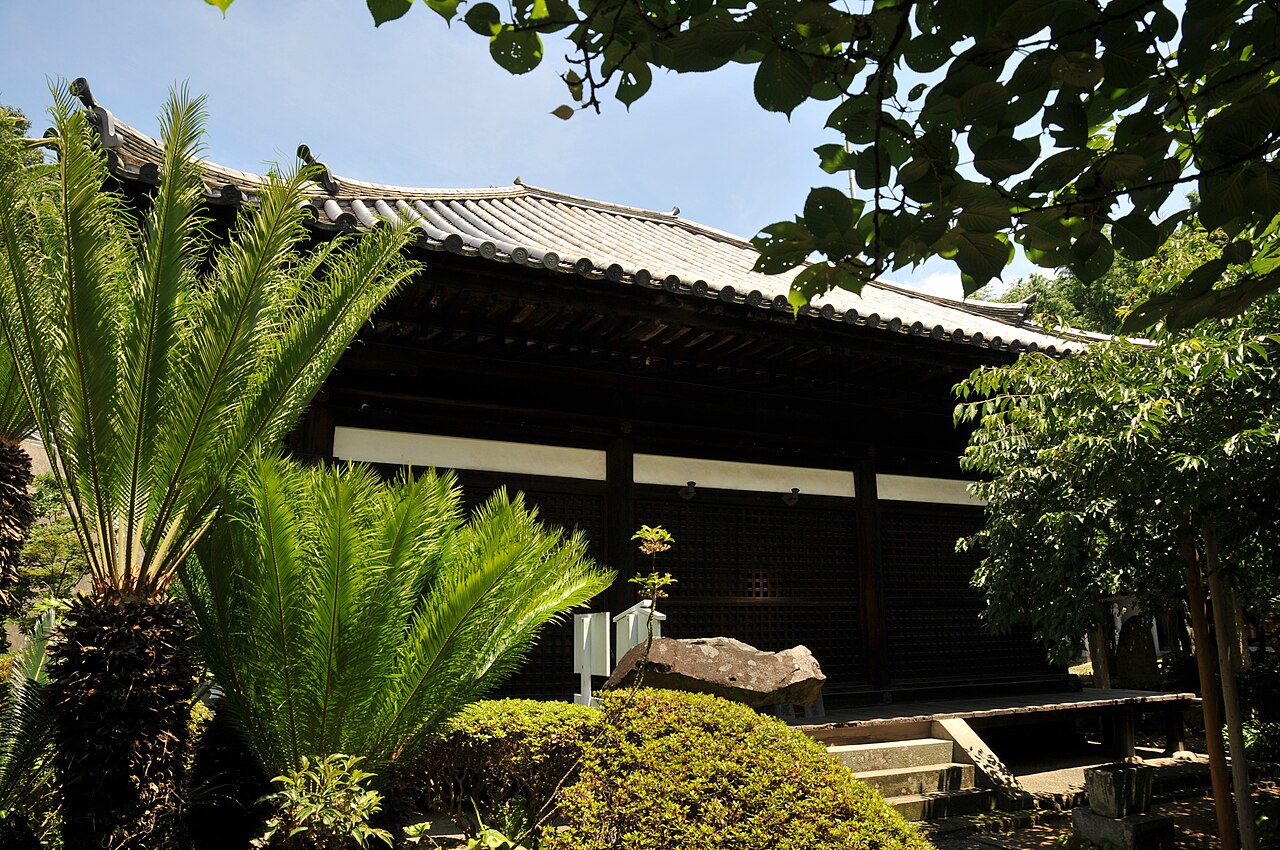
- A calm precinct where you can feel a faith deeply rooted in the daily life of local people. The approach and halls carry the weight of a long-cherished history.

Enjoying the Seasons
The Tsubaki Festival, held each year around the old lunar New Year (the 7th to 9th days of the first lunar month), is known as the festival that calls spring to the Iyo road and draws several hundred thousand visitors, one of the great events of Shikoku. It is also known for distinctive customs such as the money-lending rite, in which worshippers borrow a lucky coin and return double the amount the following year. Beyond the spring bustle, a slow walk through the usually quiet grounds is also rewarding. Worshippers come throughout the year, making it a spiritual anchor for the community.

Access and Basic Information
- Location: 2-2-1 Iai, Matsuyama City, Ehime
- Access: About 15 minutes by car from JR Matsuyama Station, easily reached from the city center, with Iyotetsu bus service as well.
- Parking: There is a lot for worshippers, though it grows very crowded during the Tsubaki Festival, when nearby roads also jam.
- Visiting: The grounds are freely open. Prayers and the amulet office operate during daytime hours.
Practical Travel Notes
- Because the Tsubaki Festival follows the old lunar New Year, its dates differ from year to year. Check the schedule for the year of your visit in advance.
- During the festival the surrounding roads grow very congested. If you can, use public transport and set out with time to spare. Food stalls line the grounds into the night, offering a lively atmosphere all its own.
- If you take part in the money-lending rite, the custom is to return double the amount the following year. It is cherished locally as a lucky charm that invites good fortune.
- Close to central Matsuyama, the shrine is easy to combine with Dogo Onsen or Matsuyama Castle, a natural addition to a day of city sightseeing.
A Quick Tip
During the Tsubaki Festival several hundred thousand people visit, so it becomes extremely crowded. If you want an unhurried visit, come during a quieter time outside the festival. If you want the festival energy, use public transport and plan to arrive early.
📚 Sources
The information here is based mainly on the public guidance published by the shrine office of Iyozuhikonomikoto Shrine. The origin linked to Ehime-no-Mikoto, said to be the source of the prefecture name, the Tsubaki Festival around the old lunar New Year, the money-lending rite, and on-site origin records are also useful references. While the grounds are freely open, prayer and amulet-office hours and the festival dates (which vary by year on the lunar calendar) may change, so please confirm the latest details on the official Iyozuhikonomikoto Shrine information before you visit.
Visitor Checklist
- Estimated time needed: About 20 to 40 minutes to pray at the main hall and walk the grounds; a size easy to fit between sights in central Matsuyama.
- What to bring: Bring cash if you want amulets or a prayer. During the Tsubaki Festival the surrounding roads grow very congested, so using public transport and setting out with time to spare is recommended.
- Suggested route: Pray at the main hall and walk the grounds while reflecting on Ehime-no-Mikoto, said to be the origin of the prefecture name. Close to central Matsuyama, it fits into city sightseeing alongside Dogo Onsen and Matsuyama Castle.
📍 Location & Access


Share this article




✍️ About this article
This article is compiled by the Tabitabi JAPAN editorial team from official and primary sources, including facility and shrine/temple websites, tourism information published by municipalities and tourism associations, and cultural-property records released by national and local governments. Prices, opening hours and event dates may change, so please also check the official information of each facility or local government before you visit.