
Tobe Ware: Beautiful Ehime Traditional Pottery with Indigo Paintings on White Ground
Tobe ware, produced mainly in Tobe Town, Iyo District, Ehime Prefecture, is a traditional pottery art continuing from the Anei era in the latter half of the 18th century. It is blue-and-white porcelain with indigo painting in gosu (a cobalt-based dye) on a white porcelain base, characterized by being plump, thick-walled, and hard to break. Beloved nationwide as everyday tableware, it was designated a national Traditional Craft in 1976. Pottery lovers visit from across the country to encounter its simple, warm vessels.
Highlights: The Appeal of Tobe Ware
Its greatest appeal is the warm, milky-white base and the simple, powerful indigo painting unique to hand-drawing. From representative traditional patterns such as the arabesque and sun motifs to modern Nordic-style designs by contemporary artists, its range is truly wide, and it is supported for practicality that naturally fits the daily table. Its plump, thick-walled construction is hard to chip even in daily use, and being sturdy enough for a long relationship is part of the appeal. The more you use it, the more attached you become, making it truly a vessel you grow with.

Kiln Tours and Pottery Experiences
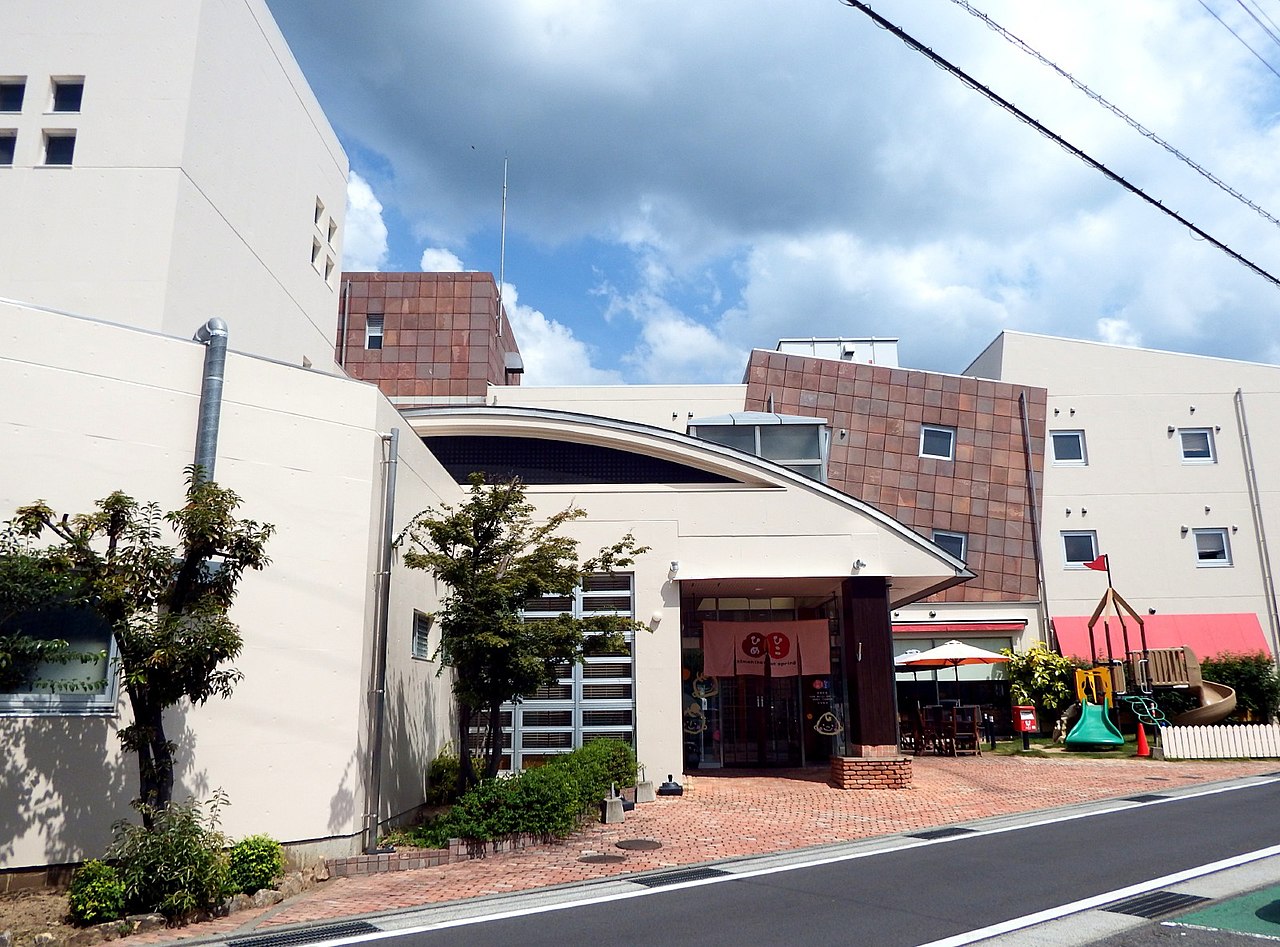
At the Tobe Ware Traditional Industries Hall, you can view the history, manufacturing process, and masterpieces of Tobe ware. Over 100 kilns of various sizes are scattered throughout the town, and touring on foot to search for a favorite piece is the real pleasure. Since each kiln has a different style, there is also the fun of comparing the individuality of the vessels. Many kilns also offer pottery experiences on the wheel or painting, letting you try making your own vessel. The Tobe Ware Festival held each spring bustles with people seeking bargains, a popular event where vessels from many kilns can be obtained at good value.

Seasonal Enjoyment
Kiln touring is comfortable in the pleasant spring and autumn. In particular, the Tobe Ware Festival held each spring is a major town-wide event. Many kilns gather, and it bustles with people seeking bargains. Visiting together with the nearby Ehime Prefectural Tobe Zoo lets you enjoy seasonal flowers and contact with animals as well. Since festival dates and each kiln's operating days may change, confirming in advance is advisable.
Enjoying It Together with Tobe Zoo
Tobe Town has the Ehime Prefectural Tobe Zoo, one of the largest in western Japan and popular with families. A one-day sightseeing course combining the zoo with Tobe ware touring is standard, enjoyable for both adults and children. There are also parks and open spaces near the zoo for relaxing.
Access and Basic Information
Access is about 30 minutes by car from Matsuyama city, or about 40 minutes by Iyotetsu bus toward Tobe. Since the kilns are scattered through the town, traveling by car is convenient for touring several. The Tobe Ware Traditional Industries Hall and each kiln often have set opening hours, closing days, and experience reception times, so if you wish to try a pottery experience, advance reservation and confirming operating days are recommended. The area gets crowded during the festival period, so visit with time to spare.
Practical Travel Notes
- Since the vessels have some weight, having cushioning material or a tote bag makes carrying them home easier.
- Many kilns take pottery experiences by reservation, and finished pieces may be shipped at a later date.
- Since the kilns are scattered, using a car or taxi is efficient for touring.
- To combine with Tobe Zoo, allotting half a day for the zoo and half a day for Tobe ware touring is recommended.
A Word of Advice
Tobe ware is a vessel that fits daily life, sturdy and at home on the everyday table. The time spent searching for a favorite piece while comparing the different styles of each kiln is exceptional. You can freely enjoy it by trying to make your own vessel in a pottery experience or combining it with Tobe Zoo. Bring home a long-lasting vessel as a memory of your trip. (Tabitabi Japan Editorial Team)
📚 Sources
The information here is based mainly on the public guidance from Tobe town, its tourism association, and the Tobe-yaki Traditional Industry Hall. The information for the kilns scattered around town, the spring Tobe-yaki Festival, and the Ehime Prefectural Tobe Zoo, and on-site information boards, are also useful references. Because kiln and hall hours, pottery-experience reception, and festival dates may change, please confirm the latest details with each facility or Tobe town before you visit.
Visitor Checklist
- Estimated time needed: About 2 to 3 hours for the Traditional Industry Hall and kiln-hopping; allow half a day if you include shopping for ware, or a full day if paired with the Tobe Zoo.
- What to bring: A car or taxi is efficient, as the kilns are spread out. Ware is somewhat heavy, so cushioning and a tote help, and bring cash for purchases. Many kilns take pottery experiences by reservation, so check in advance.
- Suggested route: Learn the history and process at the Tobe-yaki Traditional Industry Hall, then tour the town's kilns to find a favorite piece. Paired with the Ehime Prefectural Tobe Zoo, a half-day each for the zoo and the kiln tour is the standard split.
Practical Information for Your Visit
- Tobe Ceramic Traditional Industry Hall: Open 9:00-17:00
- Closing days: Mondays (the next weekday when Monday is a public holiday) and December 29 to January 1
- Admission: 300 yen for general visitors, 200 yen for those aged 65 and over, 200 yen for high school and university students, and 100 yen for elementary and junior high school students. For groups of 15 or more it is 240 yen for general visitors, 160 yen for those aged 65 and over and for high school and university students, and 50 yen for elementary and junior high school students
- Address and contact: 335 Ominami, Tobe-cho, Iyo-gun, Ehime Prefecture (phone 089-962-6600)
- Tobe Pottery Creation Hall (a town-run facility where you can try pottery making): Open 9:00-17:00 (last entry 16:00)
- Closing days: Every Thursday (the following day when Thursday is a public holiday) and December 29 to January 3
- Hands-on fees: Painting from 400 yen, hand-building from 2,000 yen per person, and wheel-throwing from 2,000 yen per person. Hand-building and wheel-throwing require a reservation
- Address and contact: 82 Gohonmatsu, Tobe-cho, Iyo-gun, Ehime Prefecture (phone and fax 089-962-6145)
- Number of kilns: The official Tobe Town information states that there are currently about 100 kilns
- Tobe Pottery Festival (spring): Usually held on the third Saturday and Sunday of April. The 41st will be held on Saturday April 18 and Sunday April 19, 2026
- Autumn Tobe Pottery Festival: Usually held around November at Tobe Town Toukaido Yutori Park
- Designations of Tobe ware: Designated a national Traditional Craft in 1976 (Showa 51) and an Intangible Cultural Property of Ehime Prefecture in 2005 (Heisei 17)
- Ehime Prefectural Tobe Zoological Park: Open 9:00-17:00 (last entry 16:30). Admission is 600 yen for adults (aged 18 and over, excluding high school students), 300 yen for those aged 65 and over, 200 yen for high school students, 100 yen for elementary and junior high school students, and free for children under 6 and holders of a disability certificate. Parking costs 300 yen per visit for an ordinary car and 820 yen per visit for a large vehicle, and is free for motorcycles (also free if you leave within 30 minutes)
* Parking at the Tobe Ceramic Traditional Industry Hall and the Tobe Pottery Creation Hall is not covered in the official information. * When finished pieces can be collected from the Pottery Creation Hall is not stated on the official town page. * The closing days of Tobe Zoological Park are not stated in the text of the official website, which advises checking the official opening calendar. (Sources: Tobe Town official website; Ehime Prefectural Tobe Zoological Park official website)
📍 Location & Access




Share this article


✍️ About this article
This article is compiled by the Tabitabi JAPAN editorial team from official and primary sources, including facility and shrine/temple websites, tourism information published by municipalities and tourism associations, and cultural-property records released by national and local governments. Prices, opening hours and event dates may change, so please also check the official information of each facility or local government before you visit.