
Keya Kuroryu Shrine: A Quiet Dragon-God Power Spot in Fukui City
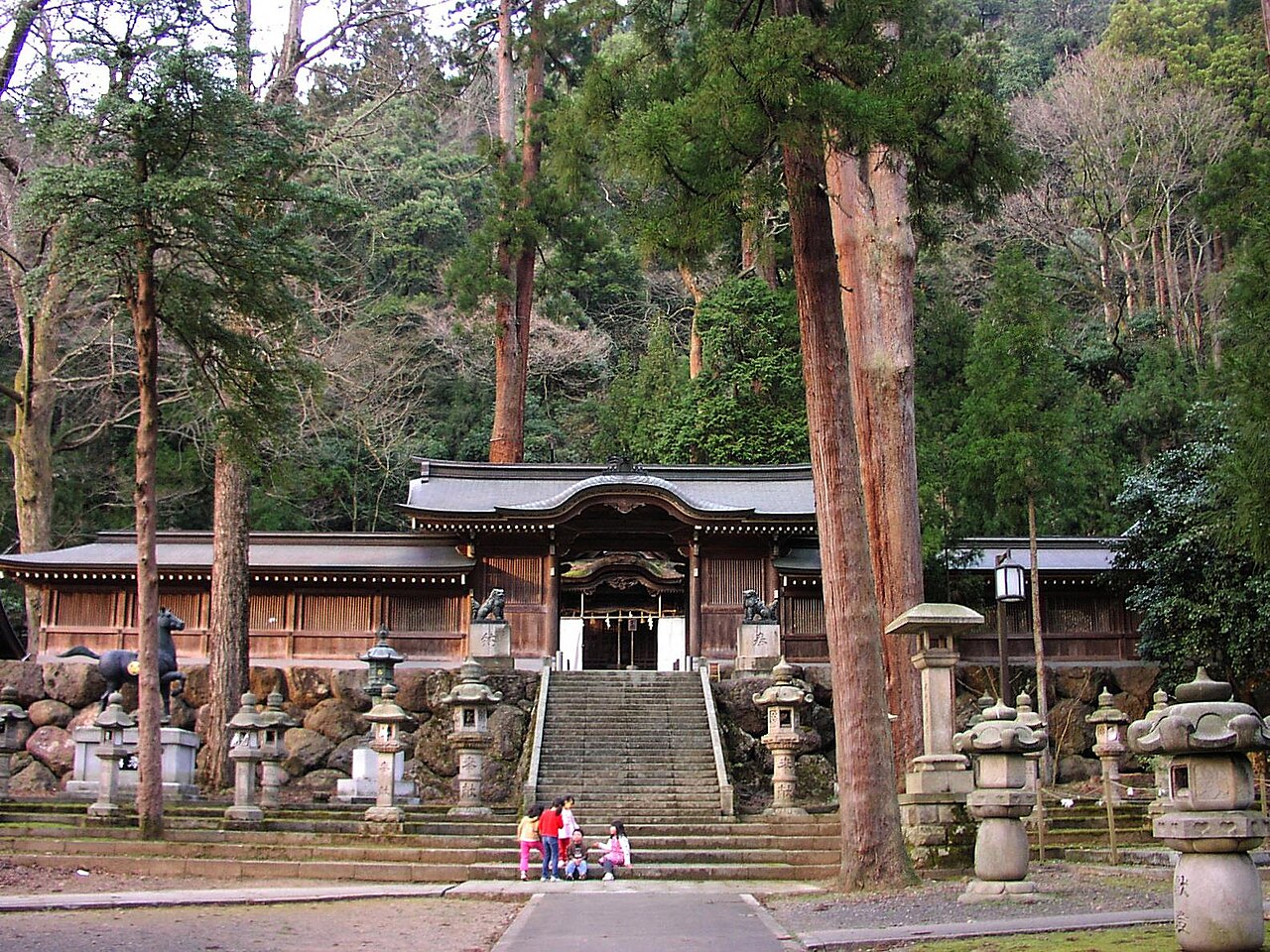
Tucked away at the foot of Mount Asuwa in Fukui City, Keya Kuroryu Shrine enshrines the guardian deity of the Kuzuryu River, the largest river in the Hokuriku region. Said to appear in the Heian-era Engishiki records under the name Keya Shrine, it has long been cherished by locals as a shrine of water and dragon gods. It is not a large, crowded site, but it quietly draws visitors as a dragon-god power spot believed to dispel negative energy and lift the spirit. Tradition holds that Emperor Keitai founded it while carrying out flood control in Echizen, praying for the protection of the Kokuryu River (the old name for the Kuzuryu) and the peace of the land.
Highlights
- A main hall enshrining two water-governing dragon deities, Takaokami and Kuraokami, together with Emperor Keitai
- A sacred precinct of dragon-god faith said to clear away negative feelings
- Blessings close to daily life, such as warding off misfortune, blessing of children, and safe childbirth
- A pedigree counting it among the four great myojin that guard the four directions of the land in ancient Japanese belief
- A calm setting wrapped in the nature of Mount Asuwa
Enjoying the Seasons
In spring the cherry blossoms around Mount Asuwa are beautiful, pairing well with a stroll after your visit. In summer the shade is cool and ideal for quiet prayer. Autumn gently colors the grounds with red leaves, and in winter a snow-dusted shrine creates a crisp, solemn air. Throughout the year it offers calm time away from the crowds.
Access and Basic Information
- Location: 3-chome Meya, at the foot of Mount Asuwa, Fukui City, Fukui Prefecture
- About 20 to 25 minutes from JR Fukui Station by bus or on foot, or a few minutes by car
- Parking available
- Generally open for worship all day (the shrine office has set hours)
- Charms and goshuin seals run from a few hundred to low thousands of yen
Practical Travel Notes
- The best season is late March to early April, when the cherry blossoms of Mount Asuwa bloom. For a quiet visit, a weekday morning is ideal.
- Allow about 15 to 30 minutes for a visit, or half a day combined with Asuwa Shrine and Asuwa Park.
- The shrine sits at the foot of Mount Asuwa and the area has slopes, so comfortable walking shoes are wise.
- Real nearby spots within walking distance include Asuwa Shrine, Asuwa Park, and central Fukui, making it easy to plan a walking route from Fukui Station.
- Worship itself is free; charms and goshuin seals run from a few hundred to low thousands of yen.
A Quick Tip
Combine it with Asuwa Shrine and Asuwa Park for a full day of quiet power-spot walks in central Fukui City. Before the dragon god, take a slow, deep breath and settle your mind before praying.
📚 Sources
The information here is based mainly on the public guidance from Fukui city and its tourism association, together with the details provided by the shrine office of Keya Kurotatsu Shrine. The history of enshrining the guardian deity of the Kuzuryu River (Kokuryu River), and the tradition that it is counted among the four great myojin that guard the four directions in ancient Japan, are also useful references. Because the shrine office reception hours and the handling of charms and seal stamps may change, please confirm the latest details on the shrine or Fukui city official information before you visit.
Visitor Checklist
- Estimated time needed: About 15 to 30 minutes for a visit. Combined with Asuwa Shrine and Asuwa Park, you can enjoy about half a day.
- What to bring: Comfortable walking shoes are reassuring since it sits at the foot of Asuwa hill and the surroundings include slopes. Have small cash ready if you receive a charm or seal stamp.
- Suggested route: After a quiet visit before the dragon deity, combine your trip with the walking-distance Asuwa Shrine, Asuwa Park, and central Fukui city for a calm power-spot stroll on foot from Fukui Station.
📍 Location & Access




Share this article


✍️ About this article
This article is compiled by the Tabitabi JAPAN editorial team from official and primary sources, including facility and shrine/temple websites, tourism information published by municipalities and tourism associations, and cultural-property records released by national and local governments. Prices, opening hours and event dates may change, so please also check the official information of each facility or local government before you visit.