
Iwate Winter Travel: Koiwai Farm, Morioka & Snowy Hiraizumi
The Charms of Winter in Iwate
Quietly piling up on the vast Tohoku landscape — pure white snow. Winter in Iwate is not merely a cold season. The breathtaking scenery of magnificent nature dressed in white, the warmth of hot spring baths that unknot your very soul, and the shimmering of illuminations dissolving into the ink-black night sky — it is in the freezing air that you will find the most profound experiences, the most moving encounters, that exist only in this place.
"Winter isn't suitable for travel" — that preconception will be overturned the moment you arrive in Iwate. In truth, winter is the season that resonates most deeply and most lastingly in a traveler's heart. The landscapes you gaze upon through crystal-clear winter air have a solitary magnificence entirely unlike the fresh greenery of spring or the colors of autumn, and once you have stepped into that world, the memory of those scenes will stay with you for years — making you ache to return. Let's take that first step into winter Iwate together.
Koiwai Farm
A Snowy Pastoral Wonderland That Takes Your Breath Away
In winter, Koiwai Farm in Shizukuishi Town transforms into a vast snow-covered pastoral landscape that feels almost foreign — as if transported from the highlands of northern Europe. The white expanse of the farm, with Mt. Iwate visible in the background, creates a scene of quiet, powerful beauty.
From late January to late March, the farm hosts the "Koiwai Farm Winter Festival," where visitors can enjoy horse-drawn sleigh rides across the snow-covered fields, snowshoe trekking, and other winter activities. The sight of horses pulling sleighs across the white snow, with puffs of breath steaming in the cold air, is an image straight out of a fairy tale.
Best season: January–March. The farm also produces excellent dairy products including milk and cheese, so be sure to try a hot cup of fresh Koiwai milk as a warming treat.
Access: About 30 minutes by car from JR Morioka Station.
Morioka City
A Castle Town Dressed in Snow — A Winter Scene of Quiet Dignity
The castle town of Morioka City takes on a different character in winter. The ruins of Morioka Castle, surrounded by a moat, become even more atmospheric when mantled in snow. The bare branches of the great zelkova trees around the castle grounds, laden with snow, create a deeply evocative winter landscape.
Downtown Morioka is also worth exploring in winter. The Zaimoku-cho area and Nakatsu-gawa riverside retain a charming retro atmosphere, and wandering through these streets in falling snow feels like stepping into another era.
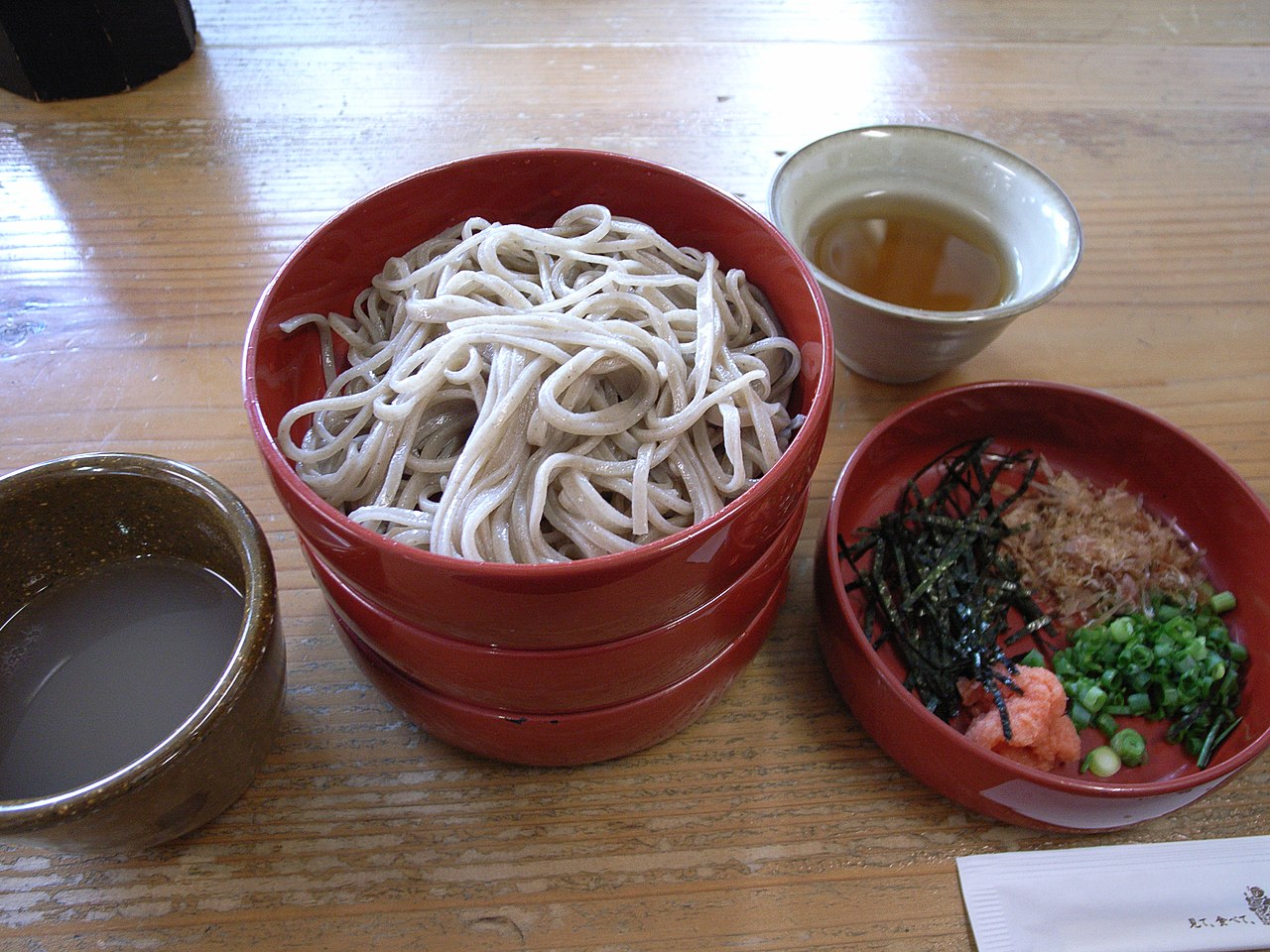
Morioka's famous cold noodle dishes (reimen and jajamen) are beloved even in winter — there's something uniquely satisfying about eating cold noodles in the cold season, and the local shops are always warm and welcoming inside.
Access: JR Tohoku Shinkansen to Morioka Station.
Hiraizumi in Snow
A World Heritage Site in Winter — History Silently Wrapped in White
The UNESCO World Heritage site of Hiraizumi is particularly moving in winter. Chusonji Temple's Konjikido (Golden Hall) — a building that has survived nearly 900 years — stands silently in the snow, and the contrast between its golden interior and the cold winter world outside is overwhelming.
Motsuji Temple's Pure Land Garden (Jodo Teien) in winter is another extraordinary sight — the snow-covered garden, with its central pond reflecting the pale winter sky, has a serene, otherworldly beauty that feels completely different from any other season.
Access: About 10 minutes on foot from JR Hiraizumi Station.
Geibikei Gorge (Ichinoseki City) in Winter
A Snow-Covered Gorge — A Winter Poem Carved in Stone
Geibikei Gorge — different from the nearby Genbikei Gorge — is a vast, dramatic ravine in Ichinoseki City where towering cliffs rise up to 50 meters on either side of the calm Satetsu River. In winter, when the sheer rock faces are dusted with snow and ice, the gorge takes on a truly epic appearance.
Visitors can take flat-bottomed boat tours (yakata-bune) along the gorge even in winter — the boatmen propelling the boat with long poles while singing traditional folk songs. Drifting silently through the snow-dusted gorge, listening to the haunting melody echoing off the cliff walls, is a winter experience of rare and unforgettable beauty.
Access: About 30 minutes by train from JR Ichinoseki Station on the Ofunato Line to Geibikei Station.
Towada-Hachimantai National Park (Hachimantai Area) in Winter
A Winter Wonderland of Frost-Covered Trees
The highlands of the Hachimantai area in northern Iwate are famous for "juhyo" — frost-coated trees (also called "snow monsters") that are formed when supercooled moisture in clouds freezes onto tree branches and builds up into spectacular white formations. In winter, the highland plateau becomes a mysterious, otherworldly landscape of giant white sculptures.
The Hachimantai Dragon Eye — the stunning circular snow formation that appears over the lake each spring — is also world-famous, and winter is the time when the deep snow that creates this miracle begins to accumulate.
Access: About 1 hour by car from JR Morioka Station.
Oshu City (Hiraizumi Surroundings) Hot Springs in Winter
After a day of winter sightseeing, the ultimate reward in Iwate is a long soak in one of the region's many hot springs. The Hanamaki Onsen area and the various hot springs around the Hachimantai highland are particularly beloved in winter, when the contrast between the freezing outdoor air and the steaming bath water is at its most dramatic.
Several ryokan (traditional Japanese inns) in the region offer open-air baths (rotenburo) surrounded by snow — soaking in steaming water while snowflakes fall softly around you is a quintessentially Japanese winter luxury.
Winter in Iwate is a world of rare beauty — vast and white and quietly magnificent. Let the snow, the history, and the hot springs of Iwate make this winter unforgettable.
📚 Sources
This article is based on publicly available information from each city and town, Iwate Prefecture, and tourism associations about winter highlights in Iwate (the snowscape of Koiwai Farm, Morioka's castle town and illuminations, and the World Heritage Site of Hiraizumi), publicly released explanations of Koiwai Farm and Chuson-ji, Motsu-ji, and the Takkoku no Iwaya Bishamon-do, winter operating information published by transport operators such as Iwate Kenko Bus, and on-site guidance. Bus and rail operation affected by snow and icy roads, and winter snowshoe experiences and viewing hours, vary by year and weather. Operating status, business hours, viewing hours, and access are subject to change, so please check the official information from each facility and transport operator before you set out.
Visitor Checklist
- Estimated time: One to two hours to view one spot; allow about a two-day trip if combining Koiwai Farm, Morioka, and Hiraizumi to tour the snowscape at leisure.
- What to bring / prepare: Prepare thoroughly against the cold with a down jacket, waterproof boots, gloves, a knit cap, and a neck warmer; chain spikes (simple crampons) are reassuring on sloped snowy paths such as Chuson-ji's Tsukimizaka, and a mobile battery helps as smartphones drain fast in the cold.
- Safety notes: Morioka's sidewalks are prone to black ice, and what looks merely wet can be frozen. Walk carefully and unhurried in high-grip boots.
- Suggested route: Combine scenery, town walking, and World Heritage: the snowfield and lone cherry at Koiwai Farm, the snowscape and evening illuminations at Morioka Castle Ruins, then the silver world of Chuson-ji and Motsu-ji in Hiraizumi.
- Transport and lodging notes: Timetables can be disrupted by snow and ice, so check operating information the day before and the morning of departure; winter hot-spring inns are popular and fill early, so booking lodging early is reassuring.
📍 Location & Access




Share this article


✍️ About this article
This article is compiled by the Tabitabi JAPAN editorial team from official and primary sources, including facility and shrine/temple websites, tourism information published by municipalities and tourism associations, and cultural-property records released by national and local governments. Prices, opening hours and event dates may change, so please also check the official information of each facility or local government before you visit.