
Sagamihara: Shiroyama Katakuri Village and Tanzawa Nature
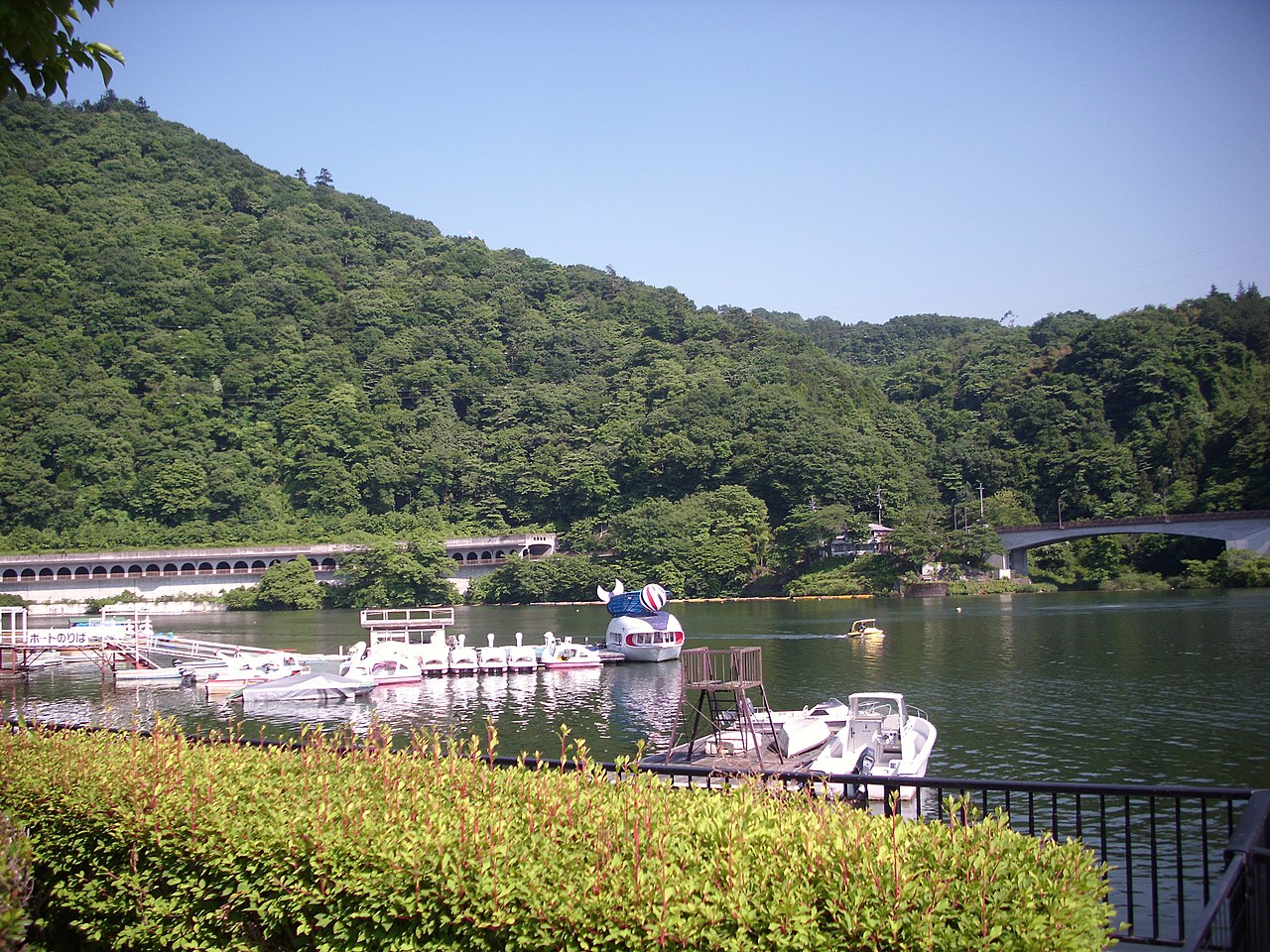
Close to central Tokyo, Sagamihara City in Kanagawa is a nature-rich area cradling the Tanzawa mountains and Lakes Sagami and Tsukui. In spring, colonies of delicate katakuri lilies color the slopes; summer brings lakeside outdoor activities and autumn brings foliage, letting you enjoy nature through the seasons. It is loved by many as an easily reached retreat.
Highlights
Sagamihara's signature flower spot is Shiroyama Katakuri Village. Roughly 300,000 katakuri lilies grow wild here, and the sight of the pale-purple, downward-nodding blooms spreading across the mountain slopes is spectacular. The grounds also hold rare white-flowered and yellow-flowered katakuri, said to arise from mutation. Beyond katakuri, spring wildflowers and flowering shrubs such as hepatica, mitsumata, rhododendron, and wild cherry bloom in succession, wrapping the hillside in the colors unique to a countryside village.
Seasonal Enjoyment
Katakuri Village is open to the public only during the spring flowering, typically from early March into mid-to-late April. The katakuri peak runs from mid-March into early April. Sagamihara also has Lakes Sagami and Tsukui, where lakeside outdoor pursuits such as boating, fishing, and camping can be enjoyed in summer. In the fresh-green and autumn-foliage seasons, the lakes and mountains create beautiful scenery ideal for driving and hiking.

Access and Essentials
Access to Shiroyama Katakuri Village is about 15 minutes by bus from Hashimoto Station on the JR Yokohama Line and Keio Sagamihara Line, alighting at Shiroyama Sogo Jimusho Iriguchi, then about a 20-minute walk. During the open season, temporary direct buses sometimes run from near Hashimoto Station. Admission is 500 yen (free for elementary students and younger), and it is open from 9:00 until sunset. There is free parking, and it is easily reached by car from the Chuo and Ken-o Expressways.
Practical Travel Notes
Katakuri flowers open in sunlight and are often closed on cloudy days and early mornings, so a daytime visit on a clear day is recommended. Peak weekends are crowded, so allow plenty of time. The grounds involve walking a countryside slope, so sturdy shoes are reassuring. Allow about an hour to stroll the site. Pairing it with a drive around Lakes Tsukui and Sagami or the foothills of Tanzawa makes for a full day in nature.
A Word of Advice
Katakuri have a short flowering window and are sensitive to weather. Checking the open status and bloom updates in advance and choosing a clear day is the surest way to meet these delicate colonies in full bloom.
📚 Sources
This information is based on public materials from local governments such as Sagamihara City and tourism associations, and on on-site guidance. The autumn-leaf peak shifts somewhat year to year. Fees, hours, and access may change, so please check official information before you set out.
Visitor Checklist
- Estimated time: About half a day to view the autumn leaves and stroll
- What to bring: Comfortable shoes for the outdoors, plus drinks and a jacket
- Suggested route: Stroll the autumn-leaf spot mentioned in the article at its peak, together with the surrounding nature
- Access: By rail, bus, or car; crowded in the autumn-leaf season
- Budget: Strolling is free and up; transport and meals are the guide
Practical Information for Your Visit
- Open season: Usually from the second Saturday of March to the third Sunday of April (dates shift with the flowering conditions)
- Admission: Free for visitors holding a disability certificate and for up to one accompanying person. Groups of 20 or more receive a discount (100 yen off per person)
- Access by car: About 4 km (about 10 minutes) from the Sagamihara IC on the Ken-o Expressway, or about 6.5 km (about 15 minutes) from the Takaosan IC
- Inquiries: 042-782-4246 (Shiroyama Katakuri no Sato)
- Official information: Kanko Kanagawa NOW (Kanagawa Prefecture Tourism Association) / Sagamihara City Tourism Association
Note: The above is a guide based on information published by the individual facilities and local authorities. Hours and fees may change, so please check the official sources before you set out.
📍 Location & Access


Share this article


✍️ About this article
This article is compiled by the Tabitabi JAPAN editorial team from official and primary sources, including facility and shrine/temple websites, tourism information published by municipalities and tourism associations, and cultural-property records released by national and local governments. Prices, opening hours and event dates may change, so please also check the official information of each facility or local government before you visit.