
Miura Peninsula Tuna and Jogashima Island
Flanked by Tokyo Bay and Sagami Bay, the Miura Peninsula rewards seafood lovers with melting fresh tuna, salt-sea air, and sweeping Pacific Ocean scenery. Easily reached as a day trip from central Tokyo, it lets you savor the sea harvest and gaze at the horizon from windswept capes, making it a perfect spot for a relaxed short getaway.
Highlights
At the southern tip sits Misaki Fishing Port, a deep-sea tuna fishing base long known as the Tuna Town. Freshly landed tuna is served in many styles including sashimi, generous seafood rice bowls, grilled kabuto (head) dishes, and hearty tuna steaks. Strolling the eateries around the port for tuna tasting is the greatest pleasure of a Miura visit. At the Urari Marche market you can also buy fresh seafood and local vegetables to take home.
Linked to Misaki Port by the Jogashima Ohashi bridge, Jogashima is a scenic island where wave-carved rocks meet the blue sea. The Pacific views from the white Jogashima Lighthouse are magnificent, and the sea cave Uma-no-se Domon, sculpted by wave erosion, is another striking sight. You can enjoy tide-pool play, hiking, and in winter observe the migrating Japanese cormorants.
Seasonal Enjoyment
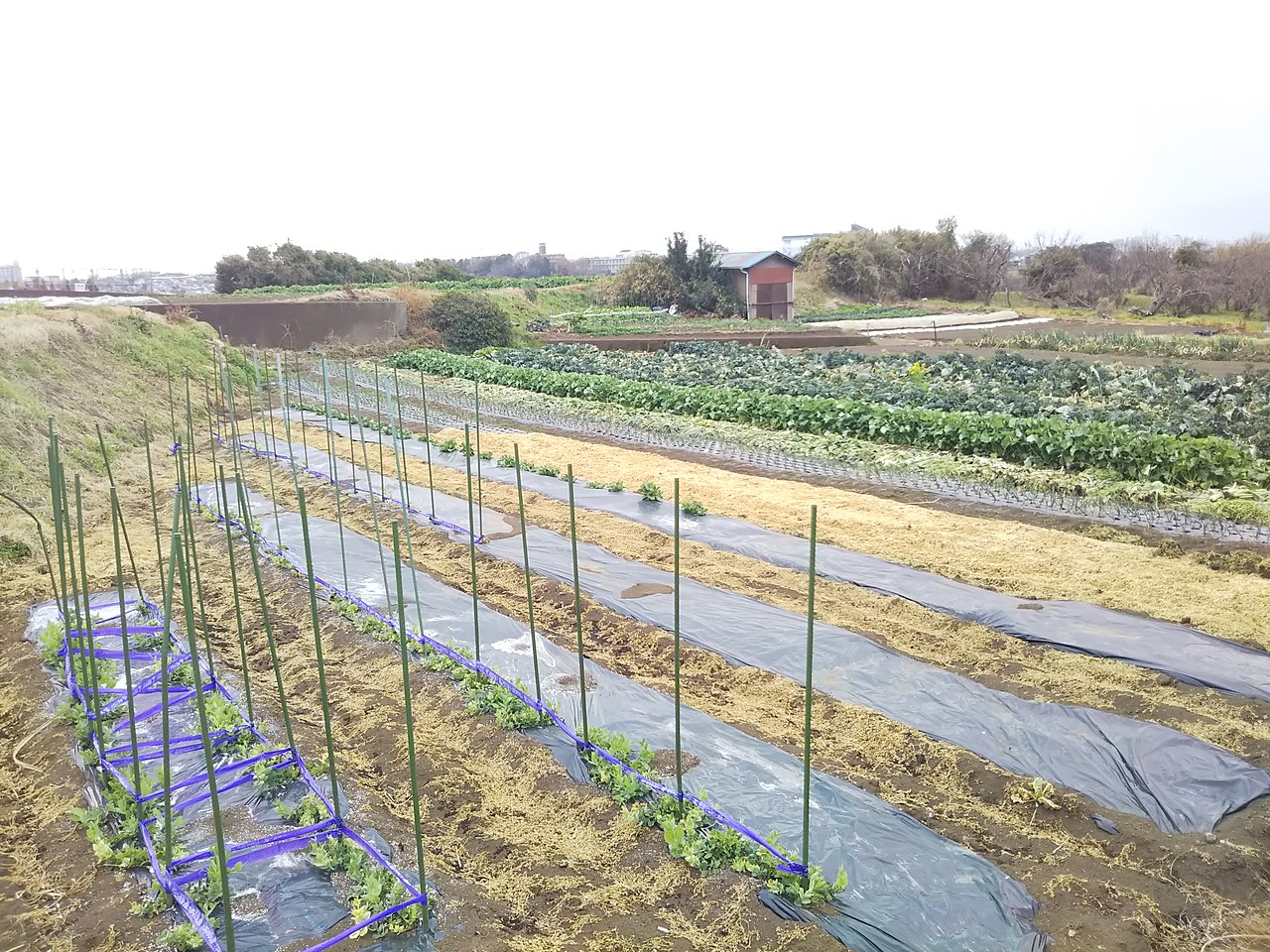
Tuna can be enjoyed year-round, but winter, when the fish are richest in fat, is considered especially delicious. Late February to early March draws crowds to Miura Kaigan for the early-blooming Kawazu cherry blossoms paired with fields of canola flowers. The peninsula is also a treasure house of produce such as Miura daikon radish and Miura cabbage, and farm stands overflow with just-harvested vegetables from winter into spring.
Access and Essentials
Misakiguchi Station, the terminus of the Keikyu Kurihama Line, is the gateway to the southern peninsula, about 1 hour 15 minutes by train from Shinagawa Station. From Misakiguchi, Keikyu buses reach Misaki Port in about 15 minutes and Jogashima in about 25 to 30 minutes. Buses accept transit IC cards such as PASMO and Suica. Jogashima has paid parking for those arriving by car.
Practical Travel Notes
If tasting is your aim, visiting around midday when fish shops and eateries are open is convenient. Popular tuna restaurants get busy at lunchtime, so arriving right at opening or shifting your timing helps reduce waits. Misaki Port and Jogashima are connected by a short walk or bus ride, so both can be covered in half a day to a full day. Budget-wise, tuna bowls and set meals start in the low thousands of yen, while snack-style bites run a few hundred yen. Comfortable shoes and a light layer against the sea breeze are useful.
A Word of Advice
Tasting tuna at Misaki Port and then walking to the lighthouse and sea cave on Jogashima makes a classic route that captures the best of Miura. If time allows, pick up seasonal Miura vegetables at a farm stand to bring the bounty of both sea and land home with you.
Visitor Checklist
- Estimated time: About one to two hours for a meal and browsing the market
- What to bring: Some small cash, as some shops are cash-only; allow for waits at popular shops
- Suggested route: Enjoy the tuna dishes mentioned in the article at restaurants around Misaki port, together with the Miura Peninsula shore
- Access: From Keikyu Misakiguchi Station toward Misaki port by bus
- Budget: From around a thousand yen per meal is a guide
Practical Information for Your Visit
- Opening hours of Urari Marche: The Fish Hall is open 9:00-17:00 (7:00-17:00 on Sundays) and the Vegetable Hall 10:00-17:00 (9:00-17:00 on Saturdays and holidays). No regular closing days
- Car parks around Urari: The Urari and Shinko car parks charge 240 yen for the first hour, then 120 yen per 30 minutes, up to a maximum of 700 yen for the first 12 hours after entry. The Koryu car park charges 210 yen for the first hour, up to a maximum of 630 yen for 12 hours. Spending above a set amount at Urari Marche or at participating shops in the Misaki Shitamachi district earns parking discount vouchers, and up to two can be used per parking session
- Car parks on Jogashima: The six public car parks on the island use a "one-day pass" system: once you have used one, you can use the island's other public car parks as many times as you like that day. 500 yen per day for an ordinary car, 100 yen for a motorcycle and 1,000 yen for a large vehicle. Vehicles 2.3 m or taller are treated as large vehicles. The prefectural Jogashima Park car park is open 8:00-17:00 (8:00-19:00 from April to September), and the west car park is open 24 hours. Visitors with disabilities are exempt from the fee at the prefectural Jogashima Park car park
- Access (train and bus): Misakiguchi Station, the terminus of the Keikyu Kurihama Line, is the gateway. About 1 hour 15 minutes from Shinagawa Station. From Misakiguchi Station, Keikyu buses take about 15 minutes to Misaki Port and about 25-30 minutes to Jogashima. Transit IC cards can be used on the buses
- To Jogashima Lighthouse: About a 5-minute walk from the "Jogashima" Keikyu bus stop
- To Umanose Domon (the arch rock): About a 15-minute walk from the "Hakushuhi-mae" Keikyu bus stop, or about 25 minutes from "Jogashima." It can also be reached on foot from Jogashima Park (in the east of the island) or from the lighthouse (in the west)
- Time needed: 1-2 hours for tuna snacking and browsing the markets at Misaki Port, and 1-2 hours to walk to the lighthouse and Umanose Domon on Jogashima. Half a day to a full day for both
- To avoid crowds: Popular tuna restaurants have queues at lunchtime. Shifting your timing to just after opening, or to after 13:00, keeps the wait down. The Fish Hall at Urari Marche opens at 7:00 on Sundays only, so a Sunday when you can arrive early is a good bet
- In the rain: Urari Marche and the restaurants around the port are indoors, so rain is no problem. Around Umanose Domon on Jogashima, however, the rocks are slippery, so do not push on in rain or rough weather
- Footing and clothing: The coastline of Jogashima is rough going over rock and gravel, with steps and slopes as well, so wear non-slip shoes. The sea wind is strong, so an extra layer is reassuring whatever the season
- Strollers and wheelchairs: Urari Marche and the flat streets around Misaki Port are easy to get around, but the rocky path leading to Umanose Domon on Jogashima cannot be negotiated with a stroller or wheelchair. On Jogashima, keeping to paved areas such as the paths of the prefectural Jogashima Park is the realistic option
- Budget guide: Tuna rice bowls and set meals start in the 1,000-yen range, and snack items start from a few hundred yen. If you come by car, factor in parking fees (500 yen for Jogashima plus the Misaki Port side)
- Payment: Some small shops still take cash only, so it is reassuring to carry a little cash
- Location: Miura City, Kanagawa Prefecture (Misaki Port and Jogashima)
📚 Sources
This information is based on public materials from local governments such as Miura City and tourism associations, on public information from restaurants and the market, and on on-site guidance. Offerings and business hours vary by shop. Fees, hours, and access may change, so please check official information before you set out.
The opening hours of the Fish Hall and Vegetable Hall at Urari Marche, and the fees for the Urari, Shinko and Koryu car parks and the conditions for parking discount vouchers, are based on information on the official website of Urari (Miura City's direct-sales facility). The fees, opening hours, treatment of large vehicles and exemption for visitors with disabilities under the Jogashima car park one-day pass, the descriptions of Jogashima Lighthouse and Umanose Domon and the walking times from the bus stops, and the ban on walking on top of the arch, come from the various pages of the Miura City Tourism Association's official website "Miura Kanko Guide." The history of Misaki Fishing Port (its development as a port of call for cargo vessels, the opening of the town-run fish market in 1922, the relocations in 1929, 1968 and 1994, its emergence as a tuna fleet base from the end of the Meiji era, and the completion of the dedicated frozen tuna market in 2018) is based on the introduction to Misaki Fishing Port published by the Japan Fishing Port and Fishing Ground Association. Opening hours, fees and bus journey times are subject to change, so please check the official information before you set out.
📍 Location & Access



Share this article


✍️ About this article
This article is compiled by the Tabitabi JAPAN editorial team from official and primary sources, including facility and shrine/temple websites, tourism information published by municipalities and tourism associations, and cultural-property records released by national and local governments. Prices, opening hours and event dates may change, so please also check the official information of each facility or local government before you visit.