
Nagasaki Cherry Blossom Guide: Best Sakura Spots
Peace Park
"Every time I come here, I'm reminded of just how beautiful a place this is for cherry blossoms" — so say the locals of Nagasaki, a testament to how exceptional spring is at Peace Park. When this site of prayer for the victims of the atomic bomb is enveloped in pale pink petals, a quiet emotion and sense of peace spreads through the hearts of all who visit. The Somei-Yoshino cherry trees blooming gloriously against the backdrop of the Peace Statue carry a unique atmosphere found at no other hanami spot — as if they are asking, even more deeply, about "the preciousness of life." When you stand in this place, the beauty of the cherry blossoms is no mere beauty; like a bridge connecting past and present, it resonates quietly in the heart.
Walk slowly beneath the rows of cherry trees planted around the plaza, and with each falling petal you'll want to reach for your shutter. The classic spot for commemorative photos is in front of the Peace Statue, but be sure to make your way to the northern area of the park as well. Here lies a little-known hidden gem with relatively few tourists, where you can have a tunnel of cherry blossoms all to yourself. Benches are also scattered along the outer edge of the plaza, and simply sitting down to watch the petals drift to the ground is more than luxurious enough.
Best Time to Visit
The viewing season is typically late March to mid-April, with the peak of full bloom lasting about a week. Because the city of Nagasaki sits in terrain surrounded by mountains, differences of a few days can arise depending on elevation. We recommend checking not only the Japan Meteorological Agency's bloom forecasts but also the city of Nagasaki's official social media and local information sites frequently. Even the time spent fretting over "how will it be this year?" while following the bloom reports becomes one of the joys of a spring trip.
The recommended time of day is early morning, 7:00–9:00 a.m. Facing the cherry blossoms in the soft morning light, in a park sparsely populated with people, becomes a special experience deeply engraved in the memory of your trip. In the early morning, when light streams in from a low angle, the translucence of the petals increases and they photograph beautifully. On a weekday morning, you can enjoy a leisurely stroll before the families and school groups arrive.
Access: From JR Nagasaki Station, take the streetcar (Nagasaki Electric Tramway) bound for "Akasako," get off at the "Heiwa-koen" (Peace Park) stop, and walk about 1 minute. Access from the station is excellent, taking about 10–15 minutes. The streetcars run frequently and are an extremely convenient mode of transport for travelers. IC cards can be used, so charging up in advance makes things smoother.
Tips for Travelers: The cherry blossom season often overlaps with school trips and sightseeing tours, and it gets crowded after 10:00 a.m. If you want to take your time with photos, aim without hesitation for the early morning. Be sure to fully charge your camera or smartphone before setting out. Since the wind can grow cold on days when petals are flying, bringing a light jacket gives peace of mind. Food and drink may be brought into the park, but please value the manners of taking your trash home with you. Let's preserve the serene atmosphere of this place for those who visit next.
Illumination
When the sun sets, Peace Park shows an entirely different face. The illuminated cherry blossoms, completely transformed from their daytime splendor, have a fantastical beauty that seems to float softly within the deep darkness. The sight of the Peace Statue and cherry blossoms lit by the lights has an overwhelming romance that makes you stop in your tracks to gaze. Within a stillness different from the daytime, the gradations of cherry blossoms created by light and shadow are so beautiful they draw a sigh — beautiful enough to make the hands holding your camera tremble.
The sight of locals gazing at the night cherry blossoms with a can of coffee in hand is also one of Nagasaki's springtime scenes. There is no tourist-spot clamor, only a kind of reassuring everyday warmth. The illumination is often held from sunset until around 9:00 p.m., so we recommend stopping by on an after-dinner stroll. The walk along the night road from your lodging to Peace Park also lets you savor a Nagasaki night where the city lights and night cherry blossoms blend together (the dates and times vary by year, so please check Nagasaki city's tourist information in advance).
Suwa Shrine
Suwa Shrine, boasting over 400 years of history as Nagasaki's guardian deity, creates scenery during cherry blossom season for which the phrase "where history and beauty overlap" is a perfect fit. The vermilion torii gate and stone steps, the dignified shrine buildings — to see all of them colored in cherry-blossom hues is truly the height of Japanese aesthetic beauty. This prestigious shrine, known for the Nagasaki Kunchi (the great autumn festival), dons a soft garment of flowers in spring, and every worshipper stops in their tracks at the sight. The contrast of vivid vermilion and pale pink is a scene that stirs the desire to photograph, making you think "there could be no better composition" each time you frame it through the viewfinder.
Cherry trees line both sides of the long stone staircase leading into the precincts, and as you climb, the view opens up. From the top of the stone steps, you can take in the townscape and harbor of Nagasaki all at once, and the view where cherry blossoms overlap with the harbor-town scenery is a superb sight you can see nowhere else. The locals speak of it as one of the moments when they "feel glad to have been born in Nagasaki." When you pause partway up the steps and look back, the scenery of Nagasaki spreading below and the cherry blossoms covering overhead may make you exclaim, "I'm so glad I came."
For history lovers, a "worship + hanami" indulgent plan of touring the precincts while enjoying the cherry blossoms is especially recommended. If you walk slowly while paying attention to details like the guardian lion-dogs and carvings, one to two hours pass in the blink of an eye. The Teramachi area around the shrine is dotted with historic temples, and a stroll hopping between ancient temples with blooming cherry blossoms is a luxurious way to enjoy this season. The time spent walking while gazing at the flower-glow streaming into the cobblestone alleys becomes an unforgettable experience where you can feel the deep layers of Nagasaki's history with your skin.
Access
From JR Nagasaki Station, take the streetcar bound for "Hotarujaya," get off at the "Suwa Jinja" stop, and walk about 3 minutes. The trip takes about 15 minutes, and access from the station is comfortable. During the hanami season, special buses may be operated, so checking the latest information from the Nagasaki Prefectural Transportation Bureau in advance gives peace of mind.
The shrine's parking lot has a limited number of spaces and tends to fill up during cherry blossom season, so using public transportation is by far the best option. Since worship is possible from early morning, aiming for right after the gates open is the local way if you want to avoid the crowds. Suwa Shrine in the early morning, where you can have the stone steps to yourself in stillness, is wrapped in a dignified beauty different from the daytime bustle. After worshipping, taking a break at a nearby long-established sweets shop is also a very Nagasaki way to spend a trip. At a small Japanese confectionery shop standing in a cobblestone alley, try finding a seasonal cherry-blossom sweet. Pop one pale-pink nerikiri into your mouth, and the happiness of travel seems to spread warmly through you.
Mt. Eboshi
"I want to gaze at Nagasaki's cherry blossoms from the farthest point of all" — the place that grants this wish is Mt. Eboshi, standing 568 meters high. The panorama you can survey from the summit is, in a word, magnificent. The scenery woven from Nagasaki's intricately indented ria coastline and the pale pink of cherry blossoms scattered throughout the city is like a single painting. Here is a large-scale hanami experience that gives even locals fresh emotion — "Was my hometown really this beautiful?" After enjoying the cherry blossoms "up close" at Peace Park and Suwa Shrine, you can gaze at all of Nagasaki "from afar" at Mt. Eboshi — this contrast, too, is a real treat that makes a Nagasaki hanami trip special.
Cherry trees bloom in rows along the mountain path as well, and the very route leading to the summit is a tunnel of flowers. Drawn in by the cherry blossom scenery that changes its expression with every step, you may be surprised yourself at how many times you stop walking. At the observation deck near the summit, there are moments when you can have the view of Nagasaki Bay and cherry blossoms spreading below all to yourself. Especially in the early morning and at dusk, the color of the light changes dramatically, and combined with the clear mountain air, it shows a breathtaking beauty. Among photography enthusiasts it is quietly known as "Nagasaki's finest scenic spot," and the sight of photographers shouldering tripods silently pressing their shutters speaks eloquently of this place's value.
Compared to Peace Park and Suwa Shrine, fewer tourists visit, and the sense of being a hidden gem is also Mt. Eboshi's charm. When you tire of the crowds, taking a deep breath here while leisurely enjoying the cherry blossoms is the connoisseur's way to conclude a Nagasaki hanami. The quiet time spent alone at the summit, surveying the city, sea, and cherry blossoms of Nagasaki, may become the most luxurious moment of this trip.
Access
From in front of Nagasaki Station, take a bus to the "Eboshidake Tozanguchi" (Mt. Eboshi trailhead) bus stop (about 40–50 minutes). If you then walk the hiking course to the summit, it takes about 60–90 minutes. For those confident in their stamina, a course of enjoying the cherry blossoms while hiking round-trip is the best. The mountain path is well maintained, but since there are sloped sections, proceed at your own pace without overdoing it. By car, you can use the parking lot near the summit, but on weekends during hanami season it gets crowded from early hours, so aim to arrive before 8:00 a.m. Since the observation deck is a short distance from the parking lot, access by car is also a sufficiently attractive option.
Local Gourmet
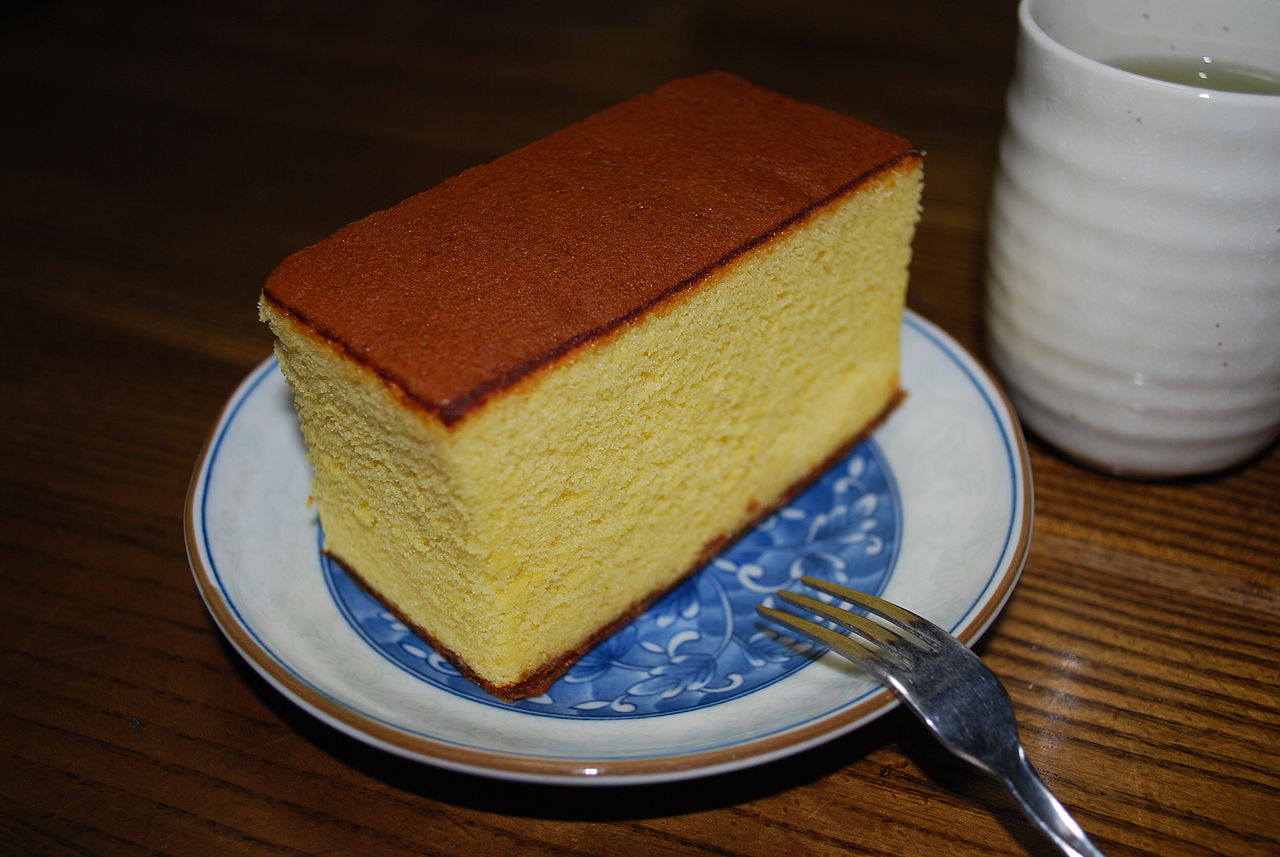
At the foot of Mt. Eboshi and throughout the city of Nagasaki, gourmet spots that make abundant use of local ingredients are scattered about. One thing you'll definitely want to prepare as a hanami companion is the "hanami bento" made by Nagasaki's long-established shops. The cherry-blossom bento eaten at the summit while nibbling on Nagasaki's signature castella and kakuni-man (braised pork buns) is sure to become a blissful moment that stays in your travel memories. Mysteriously, the sweet-and-savory flavor of a kakuni-man devoured while feeling the wind at the summit tastes many times better than usual.
After descending, warming the body with Nagasaki champon or sara-udon is the standard local course. Once back in the city center, distinctive eateries are also gathered around Dejima Wharf and the Shinchi Chinatown area. Hot champon seeps into a body grown a little tired from walking around — that, too, is a real treat of spring in Nagasaki. Spend a whole day walking your fill among cherry blossoms, and conclude the night with fine cuisine while gazing at Nagasaki's harbor. Such a fulfilling end to a trip awaits in a Nagasaki hanami journey that begins at Mt. Eboshi.
Tips for Travelers: When heading to Mt. Eboshi, easy-to-walk sneakers or athletic shoes are essential. Sandals and heels are unsuitable for mountain paths. Since the mountain temperature is several degrees lower than in the city, dress in layers you can adjust. Prepare at least 500 ml of drinking water per person, and don't forget light snacks as trail food. Since this is also a season when the weather changes easily, we strongly recommend tucking a folding umbrella or rainwear into your bag. Even when it's clear, the wind at the summit can grow strong, so bringing a hat and gloves just in case gives peace of mind. The more thoroughly you prepare, the more surely the superb view of Nagasaki surveyed from the summit will remain in your heart as a scene you'll never forget for the rest of your life.
📍 Location & Access


Share this article


✍️ About this article
This article is compiled by the Tabitabi JAPAN editorial team from official and primary sources, including facility and shrine/temple websites, tourism information published by municipalities and tourism associations, and cultural-property records released by national and local governments. Prices, opening hours and event dates may change, so please also check the official information of each facility or local government before you visit.