
Shimabara Peninsula: A Peninsula of Hot Springs and History Spreading at the Foot of Mt. Unzen Fugaku
The Shimabara Peninsula, jutting out into the southeast of Nagasaki, is an appealing sightseeing area woven from volcanoes centered on Mount Unzen, abundant hot springs, and deep history. The entire peninsula is internationally recognized as the Shimabara Peninsula Geopark, the first in Japan certified as a UNESCO Global Geopark (certified in 2009), and you can fully enjoy the dynamic landscapes created by the volcanoes and the famous hot springs that well up. With attractions such as the charming townscape of the castle town of Shimabara and the culture of spring water, it is one of Nagasaki finest destinations.
Highlights
Mount Unzen Fugendake and the Volcanic Landscape
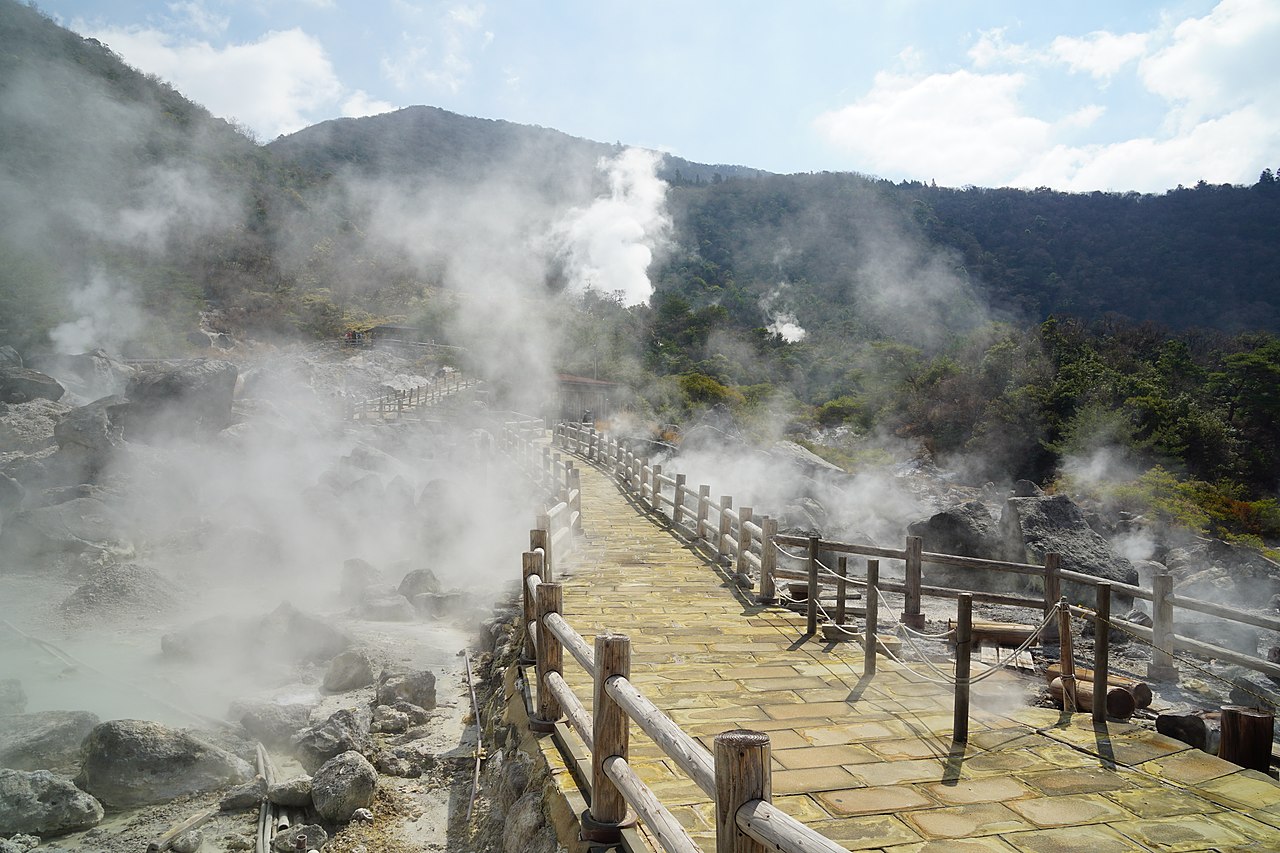
Mount Unzen, rising in the center of the Shimabara Peninsula, is a group of active volcanoes still volcanically active today. The main peak, Fugendake, is 1,359 meters, and Heisei Shinzan, the lava dome formed by the eruption of the 1990s, is about 1,483 meters, making it the highest peak of Mount Unzen. The pyroclastic flow of June 1991 caused major damage, and the disaster remains that convey its scars have become a valuable place to learn the history of a region living alongside volcanoes. On the other hand, the blessings of the volcano are great too, and at Unzen Onsen you can see up close the powerful sight of white steam rising from the fumarole zone called jigoku (hell). Walking the promenade scented with sulfur, you can feel the pulse of the earth on your skin.
Hot Springs and the Castle Town
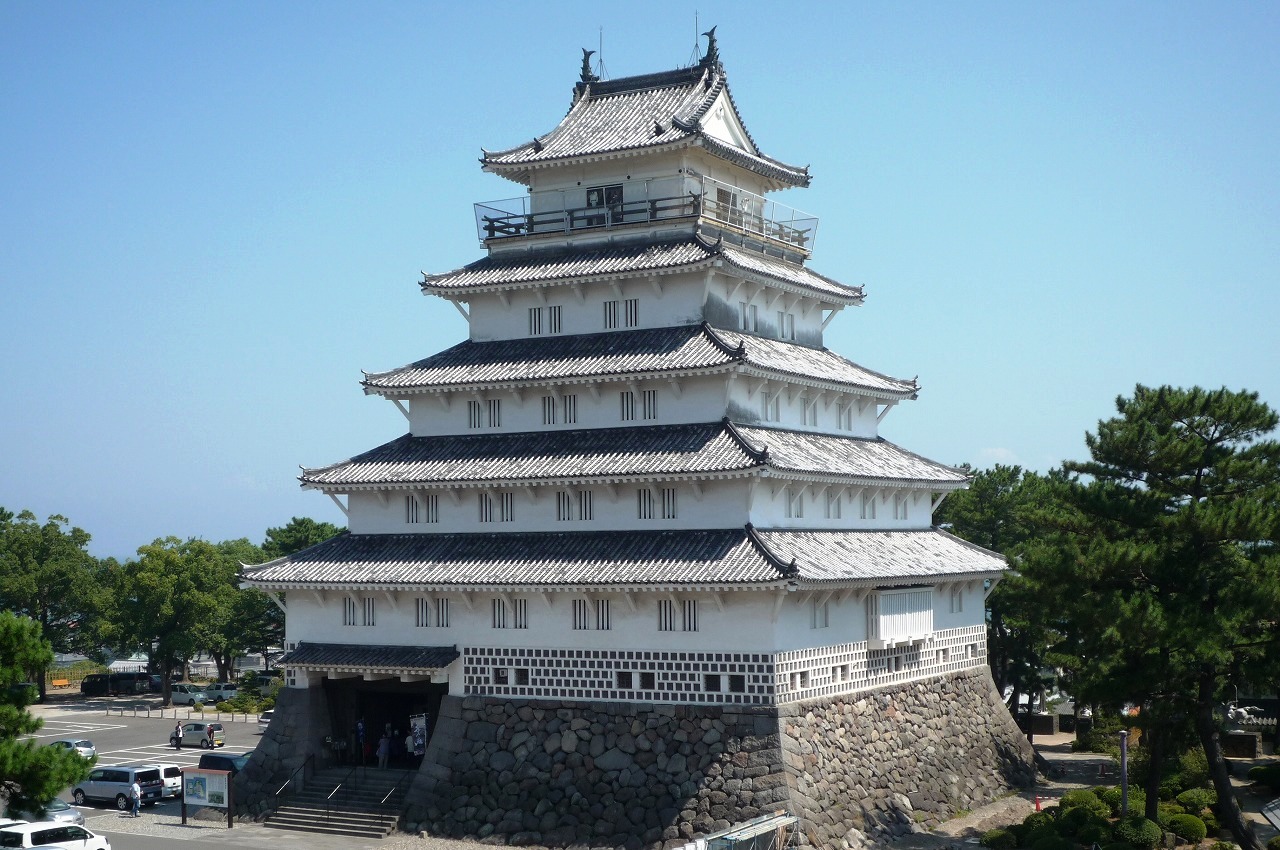
The Shimabara Peninsula is also blessed with famous hot springs such as Unzen Onsen and Obama Onsen. In particular, Obama Onsen is a high-temperature hot spring welling up along the coast, and from the footbath Hot Foot 105, said to boast the longest length in Japan, you can gaze at the sun setting over Tachibana Bay. Also, in the castle town of Shimabara, the beautiful Shimabara Castle rises, and charming scenery rich in spring water spreads out, such as the samurai residence townscape and the Town Where Carp Swim, where clear water flows in front of each house. You can enjoy a town walk where history and water culture are alive.
The Shimabara Rebellion and History
The Shimabara Peninsula is also known as the stage of the Shimabara-Amakusa Uprising (the Shimabara Rebellion), which occurred in 1637 to 1638 in the early Edo period. The Hara Castle Ruins, where the rebels held out, are registered as a UNESCO World Heritage Site as a component of the Hidden Christian Sites in the Nagasaki and Amakusa Region, conveying the deep history of the peninsula to this day.
Seasonal Enjoyment
The best season for the Shimabara Peninsula is from spring with fresh greenery through autumn colored by foliage. Unzen autumn foliage is beautiful and bustles with people enjoying it together with the hot springs. In summer, high-altitude Unzen Onsen is comfortable as a summer retreat, letting you enjoy touring the hells and the cool of the highlands. In winter, you may see rime frost at Unzen, and a stay warming yourself in a hot spring is exceptional. The sunset at Obama Onsen is beautiful year-round, and you can enjoy how the setting position changes with the seasons.

Access and Essential Information
The gateway of the Shimabara Peninsula is Shimabara Station on the Shimabara Railway. Using Shimabara Station as a base, tour Unzen Onsen, Obama Onsen, and the various spots by bus or car. You can reach Unzen Onsen by bus or car from the Shimabara or Isahaya direction, enjoying the scenery on the way up the mountain road. From the Kumamoto direction, a ferry across the Ariake Sea to Shimabara Port is also convenient. Since the highlights are scattered widely across the peninsula, having a rental car lets you tour efficiently. Unzen Jigoku and the Obama Onsen footbath can be enjoyed for free or at low cost, and day-use hot spring bathing generally costs from a few hundred to around one thousand yen.
Practical Travel Notes
- Best time: Unzen Jigoku is easiest to see with the steam during the day, and the Obama Onsen footbath is exceptional at sunset. Staying one night at a hot spring inn and touring the areas separately in the morning and evening is recommended.
- Touring tip: Since the peninsula is broad and the highlights scattered, a rental car is the basis. With public transport only, it is efficient to focus on Unzen Onsen or the Shimabara castle town as a base.
- Time needed: Touring Unzen Jigoku takes about 1 hour, and a stroll through the Shimabara castle town about half a day. To tour the whole peninsula at leisure, two days with one night or more is recommended.
- Real nearby spots: Unzen Onsen (Unzen Jigoku), Obama Onsen, Shimabara Castle, the Town Where Carp Swim, and the Hara Castle Ruins are scattered across the peninsula.
- Budget feel: Day-use hot spring bathing is from a few hundred to around one thousand yen, and footbaths and touring the hells are free to low cost. Lodging and rental car costs are the main expenses.
A Word of Advice
The Shimabara Peninsula is a destination unique to a geopark, where the diverse appeals of volcanoes, hot springs, history, and spring water are concentrated in a single peninsula. It can be enjoyed as a day trip, but staying one night at a famous hot spring and slowly savoring the steam of Unzen Jigoku, the sunset of Obama Onsen, and a spring-water stroll through the castle town is ideal. Enjoy a journey feeling the pulse of the earth while reflecting on the history of a region that has lived alongside volcanoes.
📚 Sources
The information about the Shimabara Peninsula was compiled by our editorial team from tourism information of Shimabara City, Unzen City and Minamishimabara City, materials on the Shimabara Peninsula Geopark, and interpretive signs at each site. Accounts of Mount Unzen-Fugen, Obama Onsen and the Hara Castle ruins scattered across the area follow these public references. Because facility operations and road conditions change with the season and volcanic activity, please confirm the latest information from each city or the Geopark before your visit.
Visitor Checklist
- Estimated time: Allow about a day to visit several highlights such as hot springs and historic sites.
- What to prepare: You often walk outdoors, so comfortable shoes and season-appropriate clothing are reassuring.
- Getting around: The highlights spread across the whole peninsula, so a car or bus lets you tour efficiently.
- Touring tips: The hot-spring areas, historic sites and viewpoints are apart, so decide on a route before touring.
Practical Information for Your Visit
- Volcanic alert status (most important): Mount Unzen is under an "eruption forecast (Eruption Warning Level 1, be aware that this is an active volcano)." However, fumarolic activity and similar phenomena can be seen at Heisei Shinzan, and because entering this area could put your life at risk, caution is required in the vicinity. Follow the instructions of the local authorities and do not enter dangerous areas (as of July 2026).
- Unzen Jigoku: Admission is free of charge and it can be viewed 24 hours a day (there is no illumination at night). The heat and steam from the fumaroles are natural phenomena that can change suddenly, so be sure not to stray from the walking paths.
- Shimabara Castle: Open 9:00-17:30 (last entry 17:00), open all year round. Admission is 700 yen for adults and 350 yen for elementary, junior high and high school students (for groups of 15 or more, 560 yen for adults and 280 yen for elementary, junior high and high school students). Parking costs 500 yen for ordinary vehicles and 200 yen for motorcycles.
- Obama Onsen "Hot Foot 105": Open from 10:00 to 19:00 from April to October (last reception for the steaming pots at 18:00, finishing at 18:30) and from 10:00 to 18:00 from November to March (last reception for the steaming pots at 17:00, finishing at 17:30). Closed on the third Wednesday of every month, on January 4 and 5, on days of stormy weather, and on source cleaning days.
- Ferry from Kumamoto: The Kumamoto Ferry "Ocean Arrow" connects Kumamoto Port and Shimabara Gaiko Port in about 30 minutes. Fares are 1,600 yen one way for adults, 800 yen for children (elementary school age and younger), 4,200 yen for kei cars and 4,400 yen for ordinary cars under 4 m (all following the revision of July 18, 2026). If you are taking a car, complete boarding procedures by 30 minutes before departure.
- Geopark: The Shimabara Peninsula UNESCO Global Geopark was revalidated as a UNESCO Global Geopark in September 2025.
* Road conditions on the peninsula and the operation of facilities may change depending on volcanic activity and the weather. Please check the latest information from the Japan Meteorological Agency and each city before you set out.
(Sources: Japan Meteorological Agency "Volcanic Activity Status (Mount Unzen)," Unzen Tourism Bureau, Shimabara Castle official website, Obama Onsen Ryokan Association official website, Unzen City, Kumamoto Ferry, Shimabara Peninsula UNESCO Global Geopark)
📍 Location & Access


Share this article


✍️ About this article
This article is compiled by the Tabitabi JAPAN editorial team from official and primary sources, including facility and shrine/temple websites, tourism information published by municipalities and tourism associations, and cultural-property records released by national and local governments. Prices, opening hours and event dates may change, so please also check the official information of each facility or local government before you visit.