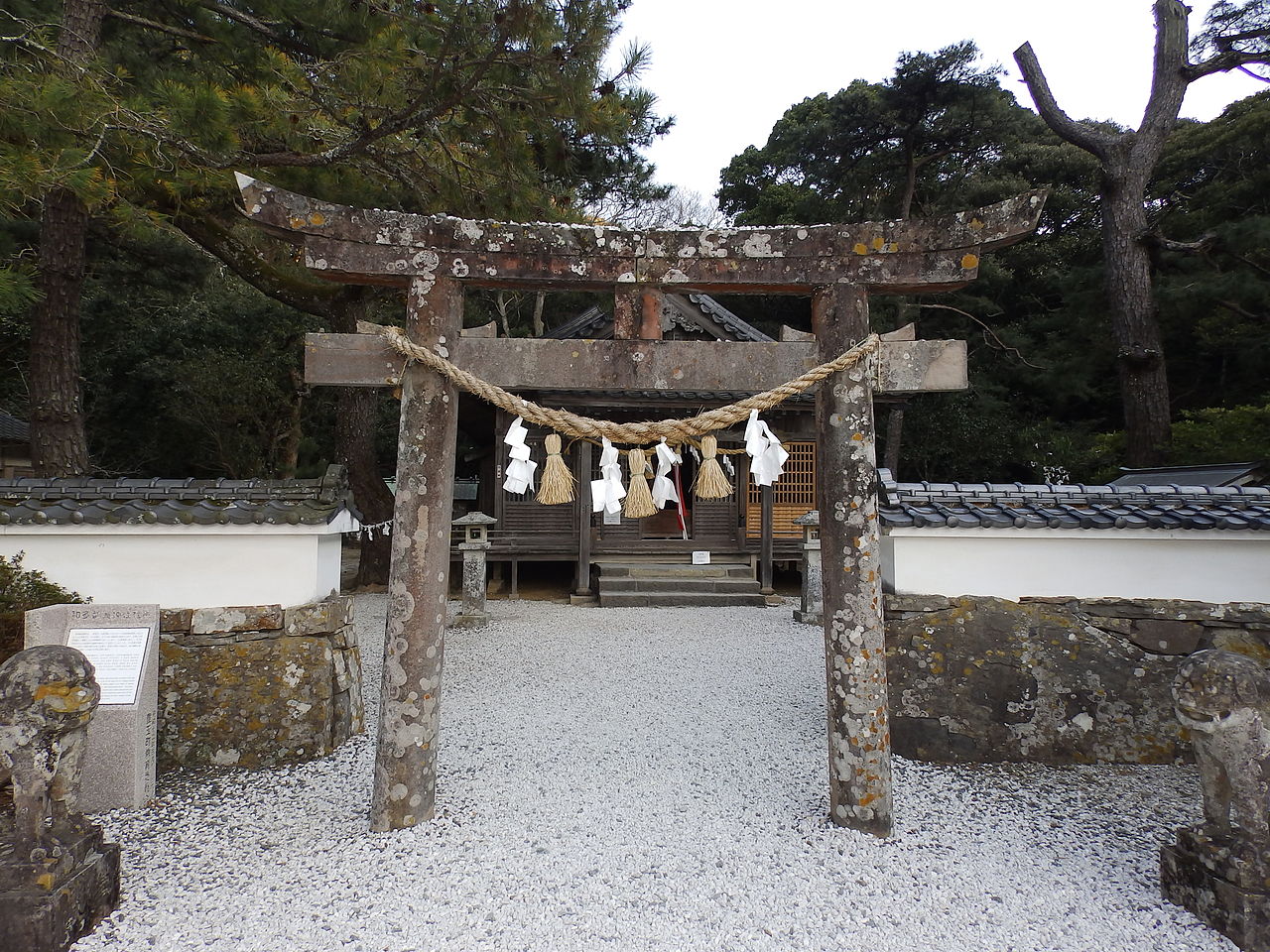
Tsushima Island: A Border Island Where Continental and Japanese Cultures Intersect
Tsushima in Tsushima City, Nagasaki, is an island floating northwest of Kyushu, a border island about 50 km to Busan, South Korea, and about 132 km from the Kyushu mainland. Functioning since ancient times as a relay point linking the Korean Peninsula and Japan, it is a historic island recorded even in the Nihon Shoki. Rich nature and a distinctive culture are alive here, and in recent years it has grown popular with travelers seeking history and grand nature.
Highlights
The Joseon Envoys and the So Clan
The Joseon Tsushinshi, the diplomatic envoys dispatched from Korea to Japan during the Edo period (1607 to 1811), always passed through Tsushima. The So clan, who ruled Tsushima, handled the diplomacy and hospitality for the envoys, playing an important role as the window of Japan-Korea diplomacy. Many materials and historic sites conveying the history of that time remain in Tsushima. The ruins of Kaneishi Castle, the residence of the So clan, and Banshoin, their family temple, are also highlights.
The Tsushima Leopard Cat
The Tsushima leopard cat, which inhabits only Tsushima, is a rare wild cat designated a national natural monument. An endemic subspecies retaining traces of the era when it was connected to the continent, its population is said to be very small, and it is a precious species whose extinction is feared. At the Tsushima Wildlife Conservation Center, you can learn about conservation activities and its ecology (admission free).
Coastal Spectacles and Historic Spots
The seas around Tsushima are beautiful, and you can enjoy snorkeling and swimming in the highly transparent water. Miuda Beach, selected among Japan Top 100 Beaches, is a famous beach with a spread of white sand. The Eboshidake Observatory, which overlooks the intricate ria coastline, is also spectacular. In addition, historic sites connected to the naval Battle of Tsushima in the Russo-Japanese War, and the Manzeki Bridge spanning the ria coast, are highlights unique to Tsushima.

Seasonal Enjoyment
The best season for Tsushima is from spring through autumn, when the sea is calm and the climate fine. In summer, you can enjoy snorkeling and swimming in the highly transparent sea, and beaches such as Miuda bustle. In autumn, the air is crisp and the view of the ria coast from Eboshidake Observatory becomes even more vivid. In winter, migratory birds arrive from the continent, and birdwatchers visit too. Throughout the seasons, you can feel the distinctive nature close to the continent, unique to a border island.

Access and Essential Information
To reach Tsushima, flying from Nagasaki Airport or Fukuoka Airport is convenient, about 35 minutes from Fukuoka Airport, with direct flights from Nagasaki Airport as well. By sea, high-speed boats and ferries run from Hakata Port, with the ferry taking about 4 and a half hours and the high-speed boat linking in a shorter time. Since the island is long and broad from north to south, a rental car is basic for getting around. Public transport is limited in frequency, so reserving a rental car in advance is reassuring. Tsushima leopard cats and wild boars sometimes cross the roads, so take ample care for safety when driving.
Practical Travel Notes
- Best time: The Eboshidake Observatory is especially beautiful at sunset, and sea activities such as Miuda Beach are best in the morning when the sunlight is mild.
- Touring tip: Since the island is broad and highlights are scattered from north to south, a rental car is essentially a must. Planning two days with one night or more lets you tour with room to spare.
- Time needed: About 2 days to tour the main spots. To be greedy with history, nature, and the sea, two nights or more is ideal.
- Real nearby spots: Miuda Beach, Eboshidake Observatory, the Tsushima Wildlife Conservation Center, Banshoin, and the Manzeki Bridge are scattered across the island.
- Budget feel: Transport (air tickets and ferry) and rental car costs are the main expenses. The observatory and beaches are free, and admission to the conservation center is also free.
A Word of Advice
Tsushima is a special destination where you can savor at once the history where Japan and the continent met, unique to a border island, and untouched grand nature. Since travel distances are long, planning a relaxed two days with one night or more rather than a day trip is recommended. While driving, watch for Tsushima leopard cats darting out, and enjoy your trip with a mind to protect the rare creatures and nature. It is a deep island that satisfies both history lovers and nature lovers.
📚 Sources
The information about Tsushima was compiled by our editorial team from Tsushima City tourism information, local guidance, and explanations of the Joseon envoys and the Tsushima leopard cat. The account of a border island lying northwest of Kyushu that linked the Korean Peninsula and Japan follows these public references. Because ferry and flight operations and facility hours change with the season, please confirm the latest information from Tsushima City before your visit.
Visitor Checklist
- Estimated time: Allow more than a day, including an overnight stay, to tour the island highlights.
- What to prepare: You often walk through nature, so comfortable shoes and season-appropriate clothing are reassuring.
- Getting around: Reach the island by ferry, high-speed boat or plane, and tour within it mainly by car.
- Viewing manners: There is much precious nature and many historic sites, so do not disturb the environment and follow the guidance.
Practical Information for Your Visit
- Tsushima Wildlife Conservation Center (Ministry of the Environment): Open 10:00-16:30 (last entry 16:00) / closed every Monday and Tuesday and over the New Year period / admission free. Located in Saozaki Park, Kamiagata-machi, Tsushima City (tel. 0920-84-5577)
- Banshoin Temple: Open for visits 8:00-17:00 (until 18:00 in summer) / admission 300 yen for adults, 200 yen for high school students and 100 yen for elementary and junior high school students / parking for about 30 cars / a 5-minute walk from Tsushima City Hall
- Tsushima Museum: Open 9:30-17:00 (last entry 16:30) / closed every Thursday and over the New Year period (28 December to 3 January) / admission to the permanent exhibition is 550 yen for adults, 330 yen for high school and university students and 220 yen for elementary and junior high school students (groups of 15 or more pay 440 yen for adults, 260 yen for high school and university students and 170 yen for elementary and junior high school students) / the car park may be used 9:00-17:30
- Mount Eboshi Observatory: The road was closed from 19 April 2024 for emergency disaster prevention works, but reopened at 9:00 on 1 July 2025. The access road is very narrow, so drive carefully. It takes about 10 minutes up the steps from the car park to the observatory. About 50 minutes by car from Tsushima Airport, about 60 minutes from Izuhara Port and about 1 hour 10 minutes from Hitakatsu Port
- Miuda Beach: 5 minutes by car from Hitakatsu Port, 1 hour 33 minutes by car from Tsushima Airport and 1 hour 55 minutes by car from Izuhara Port. Parking available
- By air (Tsushima Yamaneko Airport): ANA operates 5 return flights a day on the Fukuoka route, taking about 35 minutes, and ORC (Oriental Air Bridge) operates 3 return flights a day on the Nagasaki route, taking about 40 minutes (July and August 2026 timetable)
- By sea (Kyushu Yusen): For the period from 1 April to 31 October 2026, fares are 6,280 yen for second class on the ferry and 10,870 yen on the jetfoil between Hakata and Izuhara, and 7,540 yen for second class on the ferry between Hakata and Hitakatsu. Elementary school students pay half the adult fare (rounded up to the nearest 10 yen), and one child aged 1 or over but not yet at elementary school travels free with each adult
* The bathing season, swimming period and facilities such as showers at Miuda Beach are not published officially. * Journey times for the boat services are not given in the official fare table. (Sources: Ministry of the Environment Tsushima Wildlife Conservation Center, Nagasaki Prefecture Convention and Tourism Federation "Nagasaki Shimatabi Ikou", Tsushima Museum, Tsushima Tourism and Products Association, Tsushima Yamaneko Airport, Kyushu Yusen)
📍 Location & Access


Share this article


✍️ About this article
This article is compiled by the Tabitabi JAPAN editorial team from official and primary sources, including facility and shrine/temple websites, tourism information published by municipalities and tourism associations, and cultural-property records released by national and local governments. Prices, opening hours and event dates may change, so please also check the official information of each facility or local government before you visit.