
Kunisaki Peninsula and Fuki-ji Temple — The Buddhist Homeland with the Oldest Wooden Building in Kyushu
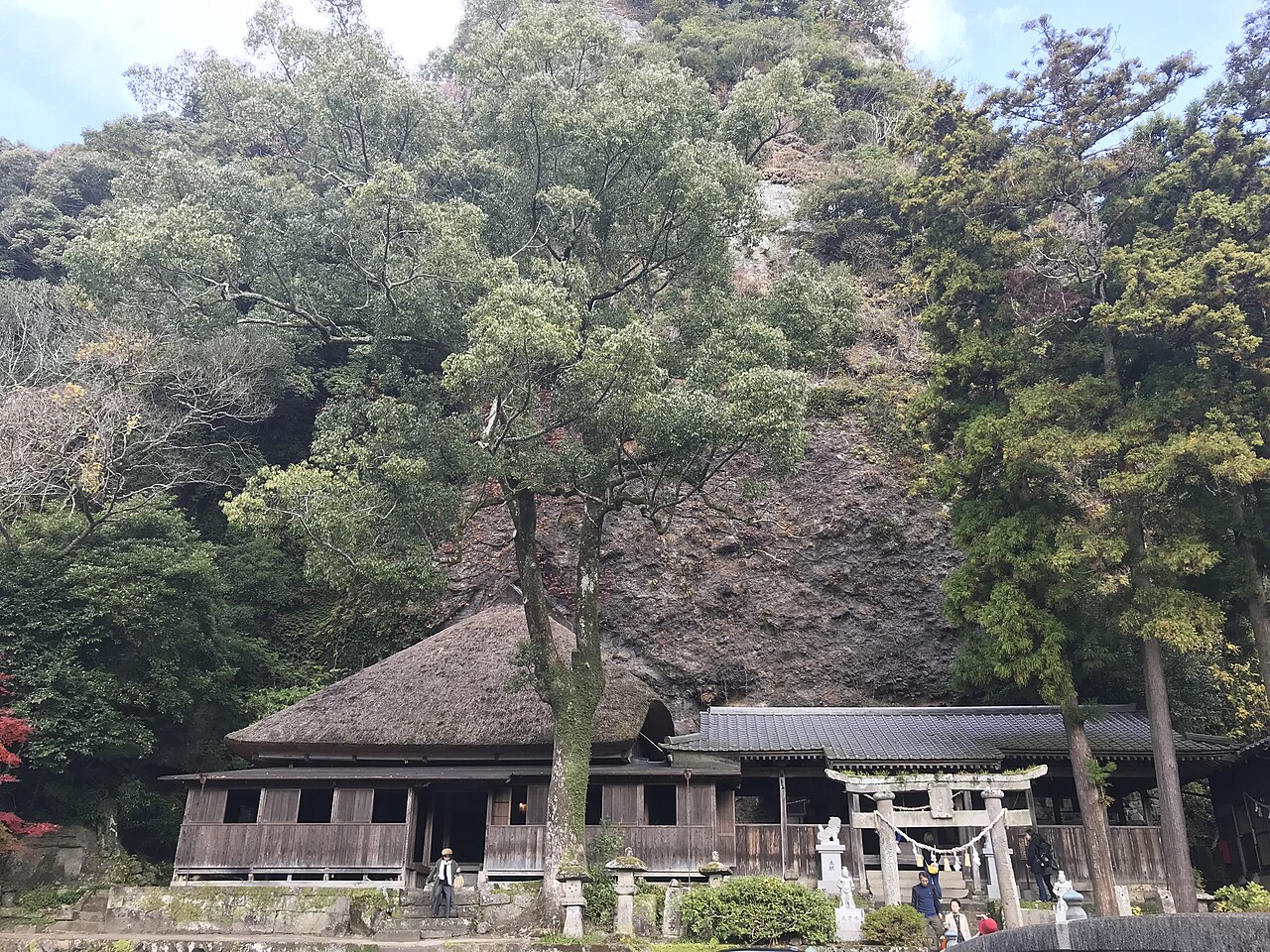
Fuki-ji Temple in Bungo-Takada City, Oita Prefecture, holds an Amida Hall (the Odo) counted among Kyushu's oldest surviving wooden buildings. Designated a National Treasure, the Odo is ranked as one of Japan's three great Amida halls, alongside the Phoenix Hall of Byodo-in in Uji and the Golden Hall of Chuson-ji in Hiraizumi. The Kunisaki Peninsula is known as a Buddhist homeland where religious culture has flourished since ancient times, and Fuki-ji remains its spiritual center, drawing many worshippers today.
Note: This article focuses on the Buddhist cultural spots of the Kunisaki Peninsula centered on Fuki-ji. For Beppu Onsen and the Hell Tour, please also see their dedicated articles.
Highlights
The Fuki-ji Odo is a precious building conveying the style of late-Heian Amida-hall architecture; its plain yet beautiful form is a treasure of Japanese architectural history. Inside are enshrined the principal image, a seated statue of Amida Nyorai (an Important Cultural Property), and vivid wall paintings (Important Cultural Property) remain on its walls.
- Fuki-ji Odo (National Treasure): an Amida hall said to have been built in the late Heian period; the contrast between its calm exterior and detailed interior decoration is a highlight
- Cliff-carved Buddhas of Kunisaki: the magaibutsu dotted across the peninsula are Buddhist images carved directly into rock faces, conveying a distinctive faith culture
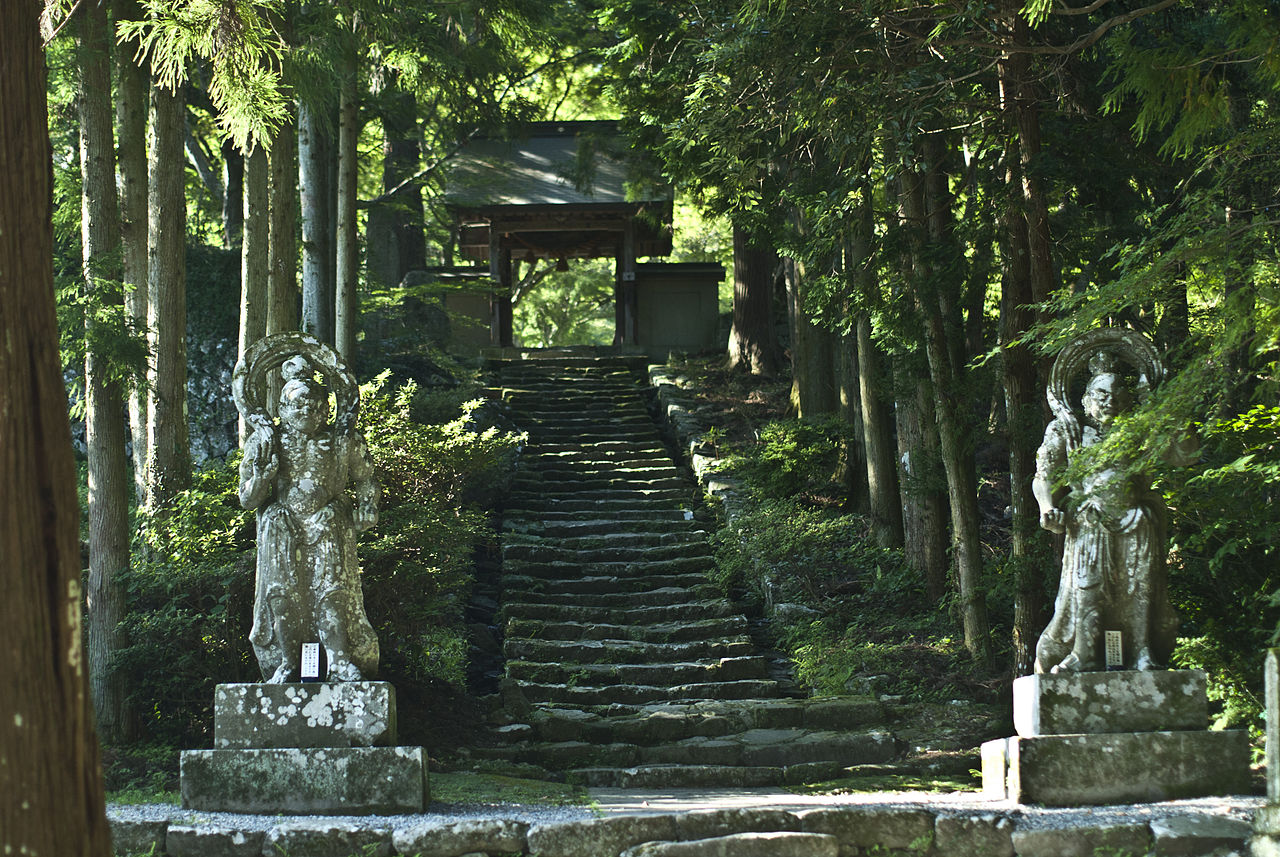
- Futagoji: a mountain temple at the center of the peninsula, a central presence of the Rokugo Manzan culture, with powerful Nio guardian statues
- Tashibu-no-sho: the Tashibu district, where the landscape of a manor dating from the Heian period still remains, is a precious cultural landscape conveying medieval rural scenery

Access & Basic Information
- Location: 2395 Tashibu Fuki, Bungo-Takada City, Oita Prefecture
- There are buses from Usa Station on the JR Nippo Main Line, but services are limited, so check timetables in advance
- By car, the usual route is from the Usa IC on the Higashi-Kyushu Expressway
- Visiting hours: 8:30 to 16:30
- Admission: 500 yen for adults and high-school students, 150 yen for elementary and junior-high students
- Interior viewing of the Odo may not be possible in rainy weather

Practical Travel Notes
- Best season and time: Cherry blossoms and fresh greenery in spring, and autumn foliage, set off the National Treasure building. The foliage typically peaks in autumn. In winter there are few visitors, and you can savor the Heian atmosphere in stillness.
- Time needed: About 30 minutes to an hour just to visit Fuki-ji. Combined with the nearby magaibutsu and Futagoji, half a day to a full day.
- Avoiding crowds: Weekends in the foliage season get busy. Weekdays and mornings are recommended.
- Nearby real spots: the Kumano Magaibutsu, Futagoji, Tashibu-no-sho, and Bungo-Takada's Showa no Machi. Because the peninsula's sights are spread out, it suits a touring route.
- Getting around: With limited public transport, touring by rental car is convenient. There are many stone steps and slopes, so wear shoes that are easy to walk in.
A Word of Advice
Because the Kunisaki Peninsula's sights are spread out, visiting by rental car is recommended. Rather than stopping at Fuki-ji alone, touring the Rokugo Manzan together with the nearby Kumano Magaibutsu and Futagoji lets you experience this region's distinctive syncretic Buddhist culture more deeply. Since interior viewing of the Odo may be closed in rain, plan with the weather in mind.
📚 Sources
For information on Fuki-ji Temple and the Buddhist culture of the Kunisaki Peninsula, the main references are the temple's own guidance and the tourism guidance published by the Bungo-Takada City Tourism Association. Details of the National Treasure Odo hall and its principal image, a seated Amida Nyorai statue, and wall paintings (Important Cultural Properties) can be traced through the temple's guidance and on-site historical notices. Viewing hours, admission fees, and whether the interior of the Odo hall can be viewed in rain may change, so please confirm the latest details through official sources before you visit. Designations as National Treasures or Important Cultural Properties can also be checked in public cultural-property records.
Visitor Checklist
- Estimated time: Visiting Fuki-ji alone takes about 30 minutes to 1 hour; combined with nearby Kumano Magaibutsu and Futago-ji, allow half a day to a full day.
- What to bring: Carry coins for admission (500 yen for adults and high-school students, 150 yen for elementary and junior-high students). With many stone steps and slopes, wear comfortable shoes, and note that the Odo interior may be closed to viewing in rain, so check the weather.
- Suggested route: After visiting Fuki-ji, a loop combining the Kumano Magaibutsu, Futago-ji, Tashibunosho, and Bungo-Takada's Showa no Machi mentioned in the article is a good way to savor the Rokugo Manzan culture.
- Getting around: With sights spread out, touring by rental car is convenient.
📍 Location & Access


Share this article




✍️ About this article
This article is compiled by the Tabitabi JAPAN editorial team from official and primary sources, including facility and shrine/temple websites, tourism information published by municipalities and tourism associations, and cultural-property records released by national and local governments. Prices, opening hours and event dates may change, so please also check the official information of each facility or local government before you visit.