Okinawa Traditional Arts: Kumi-odori, Karate, and Eisa Drum Dance Heritage
Okinawa has many distinctive performing arts and martial arts passed down since the Ryukyu Kingdom era. Their variety is truly rich, including the dance-drama "kumiodori," registered as a UNESCO Intangible Cultural Heritage, "karate," which originated in Okinawa, and the spirited "eisa," danced during the old Bon. These cultures, which developed distinctively through exchange with China, Japan, and Southeast Asia, are deeply connected to the lives and spirituality of Okinawa's people. You can encounter the rich culture unique to Okinawa, passed down together with the tones of the sanshin.
Performing Arts Nurtured by the Ryukyu Kingdom
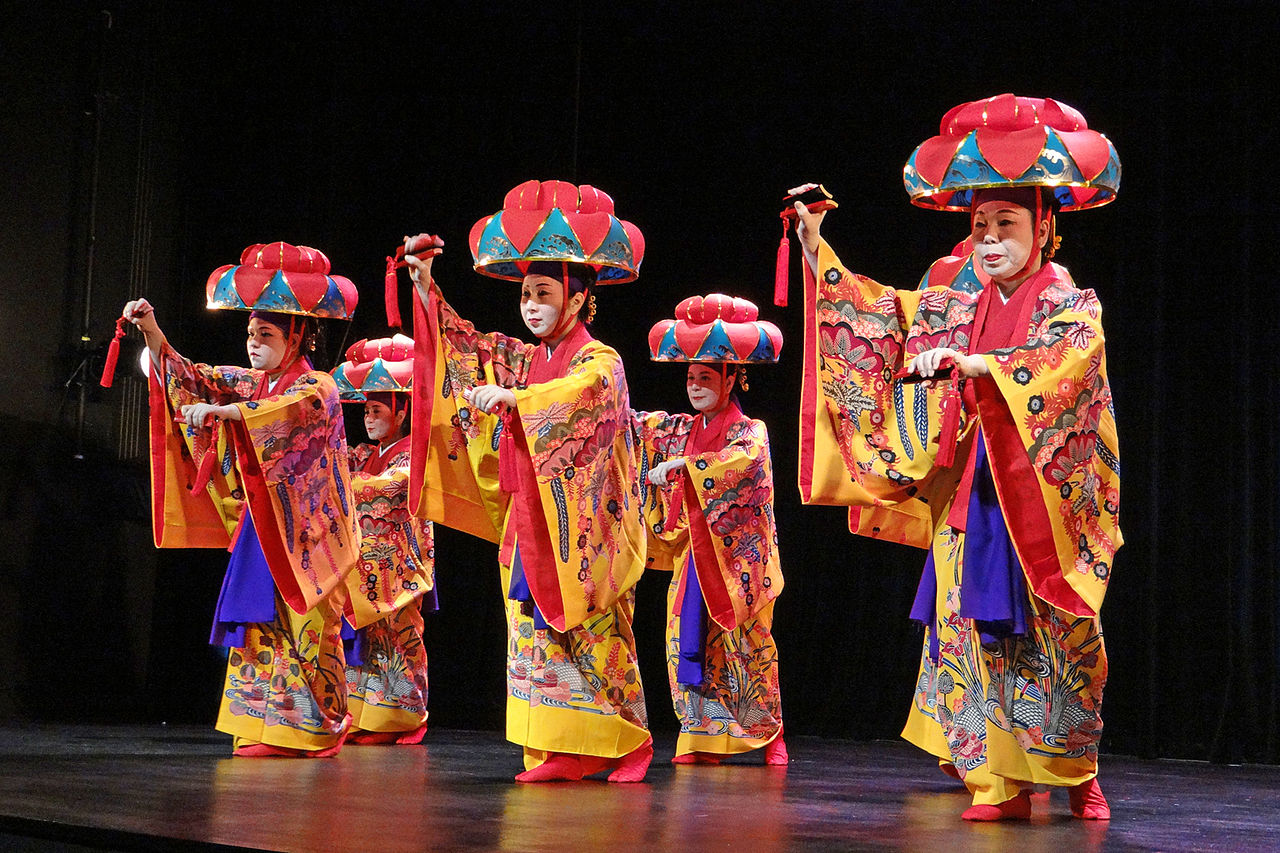
Through active trade with China, Japan, and Southeast Asia, the Ryukyu Kingdom nurtured distinctive performing arts while absorbing various cultures. In particular, "kumiodori," which developed as a performing art to entertain envoys (sappushi) from China, is a dance-drama uniting dialogue, music, and dance, a comprehensive art that performs Ryukyu's history and stories with dignity. Because of its high artistry, it is designated an Important Intangible Cultural Property of the nation and is also registered as a UNESCO Intangible Cultural Heritage. From elegant dance refined at court to folk performing arts beloved among common people, Okinawa's performing arts have been supported by a wide range of people and passed down to this day.

Karate and Eisa
"Karate," which originated in Okinawa, is a martial art born from the fusion of ancient Ryukyu martial arts and Chinese martial arts, and is now beloved throughout the world. Okinawa has many dojos, and there are also facilities that convey the history and culture of the birthplace of karate. Meanwhile, "eisa" is a traditional performing art danced during the old Bon to see off and welcome the spirits of ancestors. The sight of young people dancing powerfully while beating drums is full of impact, and in summer eisa festivals are held throughout the region, enlivening the community. Together with the tones of the sanshin and Okinawan folk songs, these performing arts and martial arts have become an important culture supporting the identity of Okinawa's people.
Recommended Occasions to View Them
Okinawa's traditional performing arts can be appreciated at dedicated theaters and cultural facilities, and can also be casually enjoyed at shows and events at tourist facilities. Kumiodori and Ryukyu dance can be appreciated authentically at theater performances, and eisa's spirited dancing can be seen during the old Bon period and at summer festivals. As for karate, you can encounter its history and demonstrations at facilities unique to its birthplace. There are also many establishments where you can enjoy sanshin experiences and folk song live music, letting you feel Okinawa's music culture firsthand.
Practical Travel Notes
- Watching kumiodori: Kumiodori and Ryukyu dance can be authentically enjoyed at performances in dedicated theaters. Performance days differ by program, so checking the schedule and tickets in advance is reassuring.
- Watching eisa: Eisa is danced in communities throughout the region during the old Bon (Bon on the old calendar), and large-scale eisa festivals and events are also held in summer. Dates change by year, so check on tourism information sites.
- Experiencing karate: At facilities unique to the birthplace of karate, you can encounter its history, demonstrations, and hands-on experiences. Viewing and experiences may require advance reservation.
- Sanshin and folk song experiences: There are also sanshin experience classes and izakaya where you can enjoy folk song live music. Experiencing the music culture as a trip memento is also recommended.
A Word of Advice
Many traditional performing arts performances and eisa festivals have fixed dates and times depending on the season and event, and community events are especially concentrated during the old Bon period. Check the latest schedules with theaters, local governments, and tourism associations before visiting. Knowing a little of the history and feelings behind the pieces and festivals deepens the emotion of viewing even more. Wrapped in the tones of the sanshin, try experiencing the rich culture unique to Okinawa.
📚 Sources
This article draws on Okinawa Prefecture and Naha City guidance on culture and tourism, materials from the Agency for Cultural Affairs on kumiodori as a UNESCO Intangible Cultural Heritage and a national Important Intangible Cultural Property, and guidance from theaters, cultural facilities, and tourism associations on karate, eisa, and Ryukyu dance. Descriptions of kumiodori as an art for entertaining Chinese envoys and of eisa at the old Bon follow local guidance and general explanations. Performance and event dates vary by year, so please confirm details on the official theater, municipal, and tourism-association sources before visiting.
Visitor Checklist
- Watching kumiodori: Kumiodori and Ryukyu dance are best enjoyed at dedicated theaters. Dates vary by program, so check the schedule and tickets in advance.
- Watching eisa: Eisa is danced in villages around the old Bon season, with large festivals and events in summer. Dates vary by year, so check tourism information sites.
- Experiencing karate: Facilities unique to the birthplace of karate offer history, demonstrations, and hands-on experiences; viewing or trying may require advance reservations.
- Sanshin and folk song: Some venues offer sanshin lessons or folk-song live performances, a nice way to feel the music culture as a trip memory.
- Advance check: Performances and eisa festivals often run on set dates tied to the season or events, and local events cluster around the old Bon, so check the schedule in advance.
Practical Information for Your Visit
- National Theatre Okinawa: 4-14-1 Jicchaku, Urasoe City, Okinawa Prefecture (tel. 098-871-3311). The ticket counter is open 10:00-18:00 and telephone bookings are taken 10:00-17:30 (tel. 098-871-3350, closed over the New Year period). Besides the theatre counter, tickets can be bought online and through Ticket Pia, Okinawa Tourist, Coop Apure and Ryubo
- Getting to the National Theatre Okinawa: A 1-minute walk from the Kokuritsu Gekijo Okinawa (Yui no Machi) or Kokuritsu Gekijo-mae bus stops, a 10 to 12-minute walk from the Jicchaku stop, or a 15-minute walk from the Ajabashi stop. About 20 minutes by car from Naha Airport. There are 209 parking spaces, free of charge, but they fall short on days when performances overlap, so using public transport is recommended
- Examples of performances: The performance calendar lists outreach programs including a Ryukyu Dance Appreciation Class starting at 14:00 on August 15, 2026, and an Okinawan Theatre Appreciation Class starting at 10:30 and 14:00 on September 17, 2026
- Okinawa Karate Kaikan: The exhibition facilities are open 9:00-18:00 (last entry 17:30) and the dojo facilities 9:00-21:00. Closed every Wednesday and from December 30 to January 3 (when Wednesday falls on a public holiday or on Irei no Hi, the memorial day, the closure is moved to another day)
- Fees at the Okinawa Karate Kaikan: Admission to the archive room is 400 yen for general visitors, 270 yen for high school and university students and 130 yen for elementary and junior high school students (for groups, 320 yen, 220 yen and 100 yen respectively). Use of the dojo facilities costs 200 yen per visit for general users and students and 110 yen for children, school pupils and seniors (a book of 11 tickets costs 2,000 yen for general users and students and 1,100 yen for children, pupils and seniors)
- The 71st Okinawa Zento Eisa Festival: Friday September 4 to Sunday September 6, 2026, at the Koza Sports Park Athletic Stadium and around the Goya Crossroads
- Tickets for the Eisa Festival: SS seats (all reserved) 4,000 yen in advance / 4,500 yen on the day; S seats (all reserved) 3,300 yen in advance / 3,800 yen on the day; A seats (all reserved) 2,000 yen in advance / 2,500 yen on the day; B seats (unreserved, in both wings of the stand) are sold only on the day at 1,500 yen. The lawn areas around the performance ground are free to enter (folding chairs and similar items may not be used). Children under elementary school age watching on a lap are free of charge. Stand tickets go on sale on July 1, 2026
Note: Ticket prices for performances at the National Theatre Okinawa differ from program to program and need to be checked individually on the performance calendar. Note: The starting times of the Okinawa Zento Eisa Festival are not given on the official ticket page. Note: Routes from the nearest monorail station to the National Theatre Okinawa are not given on the official access page. (Sources: National Theatre Okinawa, Okinawa Karate Kaikan, official website of the Okinawa Zento Eisa Festival Executive Committee)
📍 Location & Access


Share this article


✍️ About this article
This article is compiled by the Tabitabi JAPAN editorial team from official and primary sources, including facility and shrine/temple websites, tourism information published by municipalities and tourism associations, and cultural-property records released by national and local governments. Prices, opening hours and event dates may change, so please also check the official information of each facility or local government before you visit.