
Kamo Shrine: Direction Warding and Horse Guardian in Omihachiman
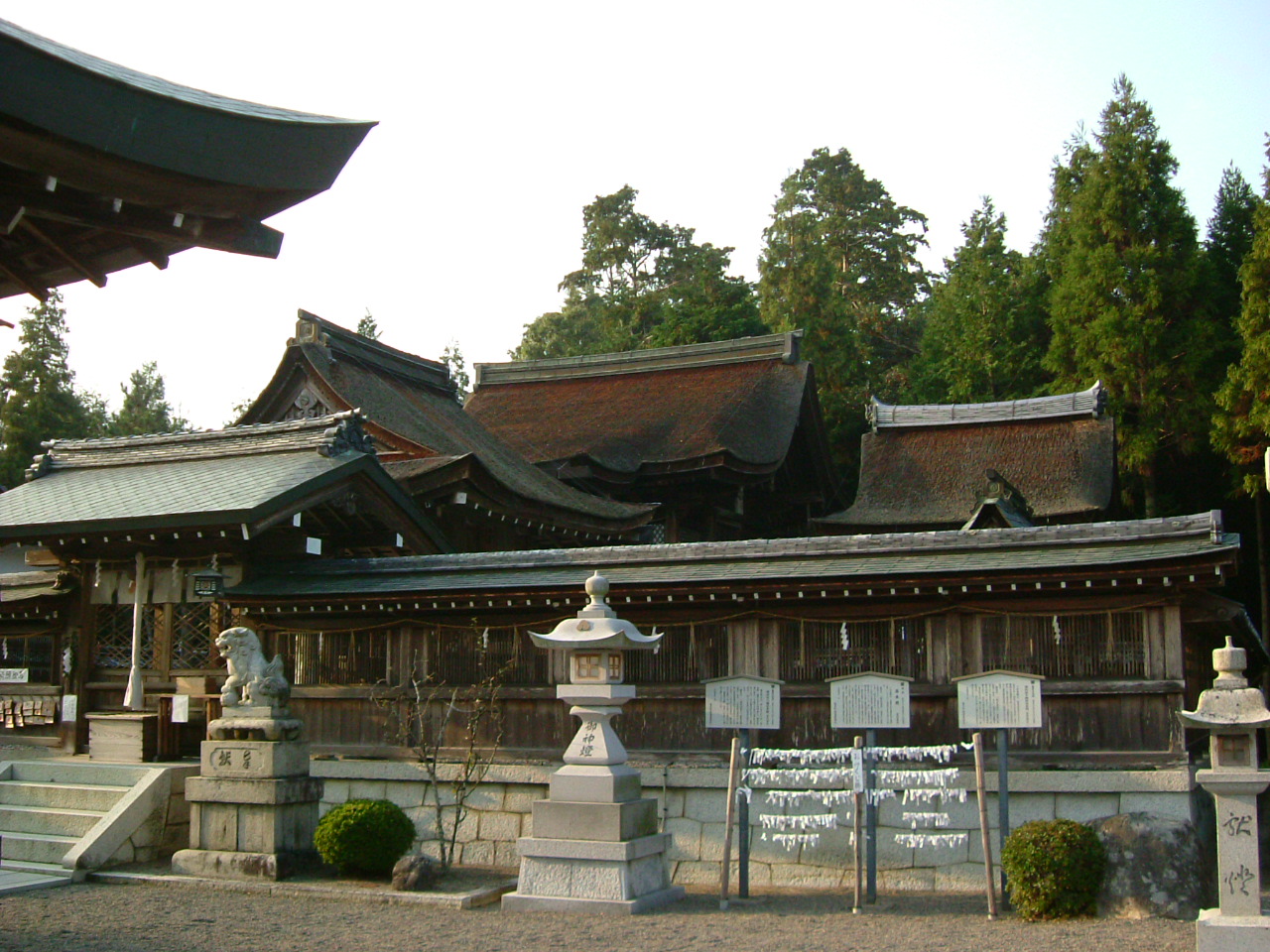
Kamo Shrine in Omihachiman City is an old shrine said to have been founded in the Nara period. This area once held pastures that raised horses for the imperial court, and the shrine is said to have been enshrined to guard that land. It is also said to have been laid out by reading the directions, and it is known for blessings of warding off misfortune by direction, dispelling bad luck, forming bonds, and guarding horses and traffic. With a deep connection to horses, it is known for an annual traditional horse ritual called Ashibuse Some, making it a hidden spot rich in history.
Highlights
- A majestic sacred tree known as the Myojin cedar, said to be 800 or even 1,000 years old, whose vitality through long ages is awe inspiring.
- Spacious grounds conveying the faith of direction warding, with a shrine grove that changes with each season.
- Rituals and offerings that evoke the shrine's deep tie to horses. The old-style horse race Ashibuse Some, one of only a few such rituals left in Japan, is a precious event in which horses gallop through a tunnel of trees.
Enjoying the Seasons
The wide grounds reveal rich natural color in every season, and the times of fresh greenery and autumn leaves feel especially beautiful. Located near the shore of Lake Biwa, it is also a fine idea to enjoy the lakeside scenery along with your visit.
Access and Basic Information
- About 10 to 15 minutes by car from Omihachiman Station on the JR Biwako Line. Conveniently located to combine with the town centers of Azuchi and Omihachiman.
- Large parking dedicated to the shrine is limited, so it is common to use nearby spaces such as the adjacent sports park. The grounds are especially crowded on days when the Ashibuse Some ritual is held.
- The grounds are open for free visits.
Practical Travel Notes
- As a guide, allow about 20 to 40 minutes to slowly tour the sacred tree and the spacious grounds.
- Many people visit when direction matters, such as before a move, a trip, or buying a car. A steady stream of visitors stops by to pray for warding off misfortune by direction and for traffic safety.
- If you are interested in the horse ritual, checking the schedule in advance lets you experience a tradition unique to this shrine.
- Nearby are real attractions such as the ruins of Azuchi Castle, the waterways of Omihachiman, and the townscape along the Hachiman-bori canal, making a full day tour enjoyable.
A Quick Tip
Stopping by to pray for warding off misfortune by direction before a journey where direction is on your mind is a fine idea. As one of Japan's rare guardian deities of horses, it is also loved by those who wish for traffic safety.
📚 Sources
This article was edited with reference to guidance from Kamo Shrine in Omihachiman City, known for directional protection and the guardianship of horses, along with local information on the sacred Myojin cedar and the ancient horse-racing rite Ashibuse-sohme. Explanations from the shrine and region were consulted for its origin as a guardian of the imperial horse pasture. Festival dates and parking information may change, so please check the official information of the shrine and others before you set out.
Visitor Checklist
- Estimated time: Touring the sacred tree and broad grounds at leisure, the visit takes about 20 to 40 minutes.
- Access: It is about 10 to 15 minutes by car from JR Omihachiman Station, well placed to combine with the Azuchi and Omihachiman town areas.
- Parking: The shrine parking is limited, so it is common to use nearby spaces such as the adjacent sports park.
- When to go: If interested in the ancient horse race Ashibuse-sohme, check the dates in advance to experience this shrine distinctive tradition.
- Purpose of prayer: Many visit for directional protection or traffic safety when concerned about direction, such as before a move, trip, or car purchase.
- Nearby: You can also spend a full day combining the Azuchi Castle ruins, the Omihachiman waterways, and the Hachiman-bori townscape.
📍 Location & Access




Share this article


✍️ About this article
This article is compiled by the Tabitabi JAPAN editorial team from official and primary sources, including facility and shrine/temple websites, tourism information published by municipalities and tourism associations, and cultural-property records released by national and local governments. Prices, opening hours and event dates may change, so please also check the official information of each facility or local government before you visit.