
Kuwanomidera Temple: A Mountain Temple of Healing in Azuchi
Kuwanomidera Temple
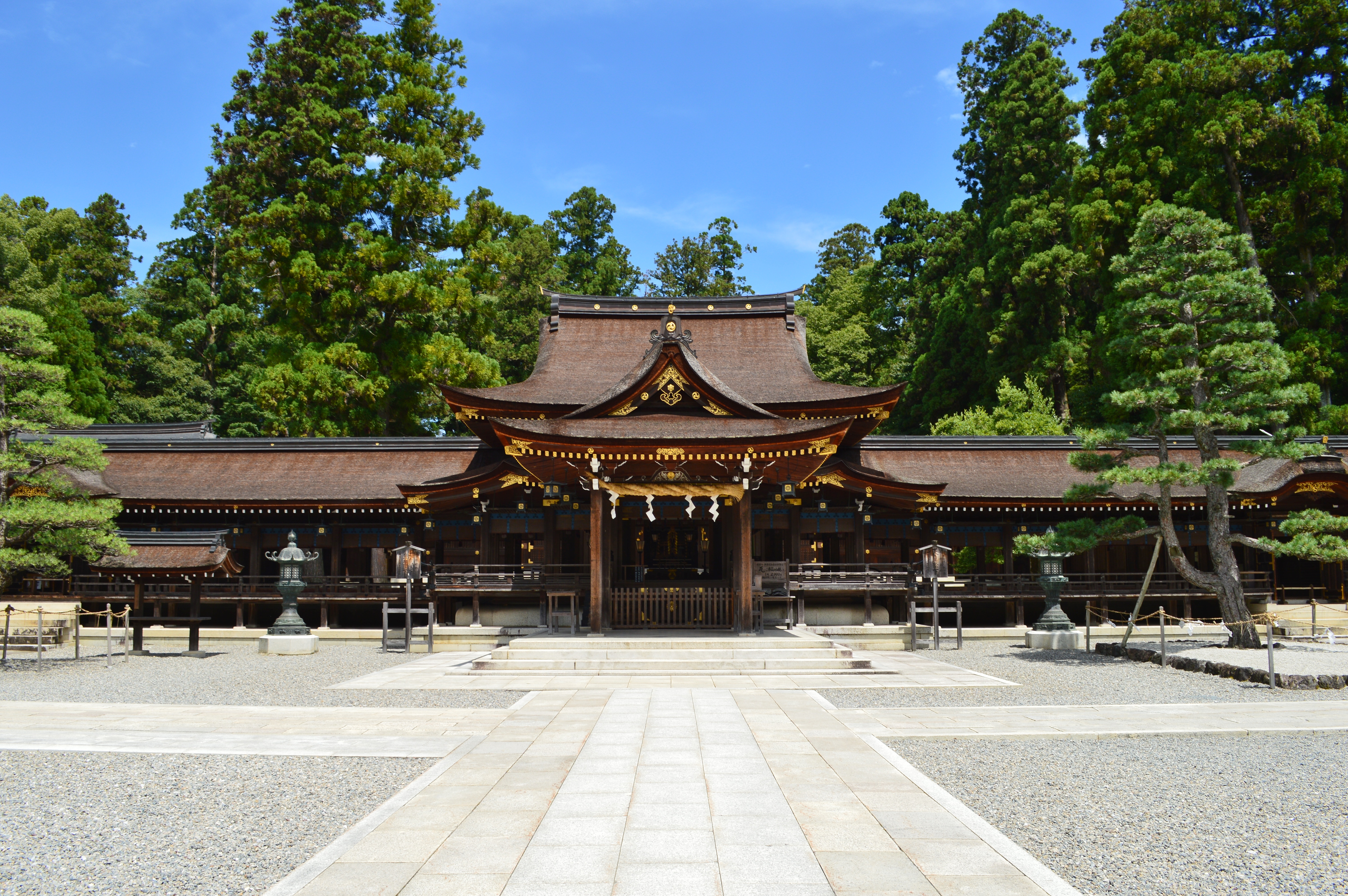
Kuwanomidera in Azuchi, Omihachiman City, is a Tendai mountain temple resting on the slope of Mount Kinugasa. Its principal image is the Healing Buddha, and it has long gathered faith as a sacred site that eases the suffering of illness. Affectionately nicknamed the Kama Yakushi, it is a temple of deep history where the ancient rock worship of Mount Kinugasa meets devotion to the Healing Buddha. It is also said that in the Muromachi period the shogun Ashikaga Yoshiharu briefly set up a provisional government here. Beyond the long stone steps that climb from the village to the main hall lies a quiet, uncommercialized precinct, a perfect hidden spot for those who wish to heal body and mind.
Highlights
- A graceful main hall retaining early Muromachi period techniques, designated an Important Cultural Property and built as if blending into the mountain nature.
- The Healing Buddha, revered for blessings of recovery from illness, a sacred place to pray with a calm heart.
- The long stone approach climbing from the village, where each step you ascend feels like leaving the everyday world behind.
Enjoying the Seasons
In the season of fresh greenery the trees are beautiful, and the climb up the steps feels refreshing. In autumn the leaves along the approach take on color, deepening the gentle mood unique to a quiet mountain temple.
Access and Basic Information
- About 1.8 km, roughly 20 minutes on foot, from Azuchi Station on the JR Biwako Line to the foot of the mountain.
- From the foot of the mountain to the main hall, about 650 stone steps continue, taking around another 20 minutes on foot. The steep climb is sustained, so go at a comfortable pace suited to your fitness.
- The entry fee is about 300 yen for adults and 150 yen for children. Viewing hours are set, so checking in advance brings peace of mind.
Practical Travel Notes
- Allow about one to one and a half hours for the visit, including the round trip on the steps and worship at the main hall. The climb takes energy, so plan with plenty of time and stamina to spare.
- In summer you will work up a sweat, so bring drinks and rest often. Footing can be slippery, so comfortable shoes are essential.
- Nearby are real spots such as the ruins of Azuchi Castle, Kannonshoji, and the Azuchi Castle Archaeological Museum, making the visit pair well with a historical walk through Azuchi.
- For stillness, weekdays or mornings are recommended.
A Quick Tip
You will climb many stone steps to reach the main hall, so allow plenty of time and visit in comfortable shoes. The stillness that awaits at the top, and the charm of an old temple set in the mountains, are well worth the effort.
📚 Sources
This article was edited with reference to guidance from Kuwanomidera, a Tendai mountain temple partway up Mount Kinugasa in Azuchi, Omihachiman City, explanations of its early-Muromachi main hall (an important cultural property) and the belief in the Yakushi Nyorai, and local information on historic sites around Azuchi. Explanations from the temple and region were consulted for the tradition that the shogun Ashikaga Yoshiharu placed a temporary government there. The entry fee and viewing hours may change, so please check the official information of the temple and others before you set out.
Visitor Checklist
- Estimated time: Including the stone steps up and down and worship at the main hall, the visit takes about one to one and a half hours.
- Access: It is about 1.8 km, a 20-minute walk, from JR Azuchi Station to the foot of the mountain, then about 650 stone steps and a further 20 minutes to the main hall.
- What to wear: The steep climb continues, so comfortable shoes are essential; in summer bring drinks and rest often.
- Budget: Prepare the entry fee, and check the viewing hours in advance for reassurance.
- Best time of day: For quiet, weekdays or mornings are recommended.
- Nearby: The Azuchi Castle ruins, Kannonshoji, and the Azuchi Castle Archaeological Museum dot the area, making a good pairing for a historical walk around Azuchi.
📍 Location & Access




Share this article
✍️ About this article
This article is compiled by the Tabitabi JAPAN editorial team from official and primary sources, including facility and shrine/temple websites, tourism information published by municipalities and tourism associations, and cultural-property records released by national and local governments. Prices, opening hours and event dates may change, so please also check the official information of each facility or local government before you visit.