
Sasaki Shrine: An Old Shrine of the Sasaki Clan in Azuchi
Sasaki Shrine
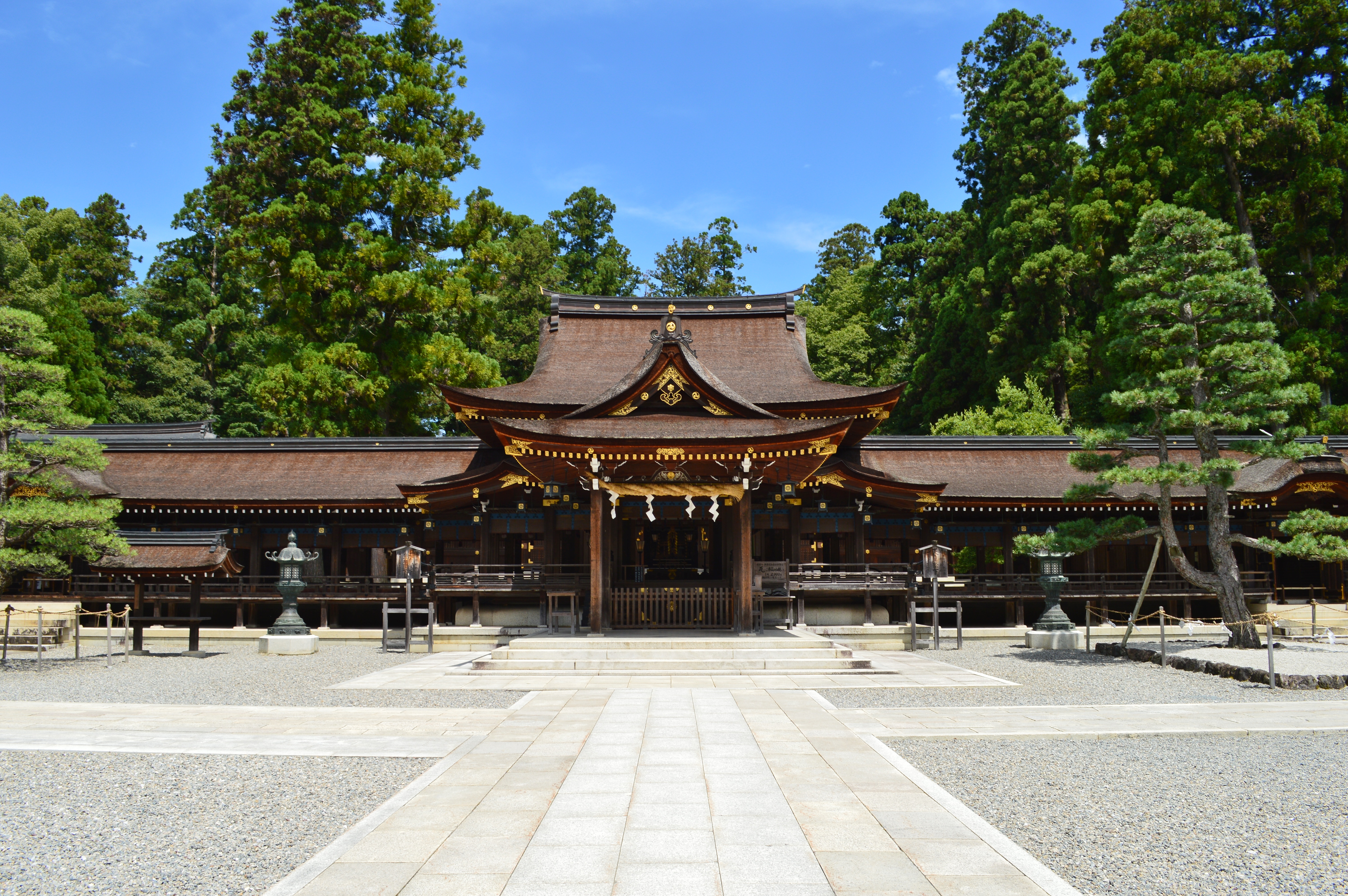
Sasaki Shrine in Azuchi, Omihachiman City, is known as an old shrine standing at the birthplace of the Uda Genji and Sasaki Genji lineages. It is famous as a place where people named Sasaki from all over Japan come to trace their roots, and it has gathered faith for wide ranging blessings such as family safety, warding off misfortune, traffic safety, and good health. It is not a flashy, crowded spot, but its deep heritage and serene setting make it a true hidden gem.
Highlights
- A sturdy thatched tower gate greeting visitors at the dignified entrance. The tower gate, along with the main hall, secondary hall, worship hall, and corridors, forms a group of large wooden structures designated as Important Cultural Properties.
- The famous nanjamonja tree, formally the Chinese fringe tree, which blooms with snow white flowers in early summer and draws many people at its peak. It grew from a seedling given by the outer sanctuary of Ise Grand Shrine.
- Old halls and stone monuments evoking the history of the Sasaki Genji, a delight for history lovers.
Enjoying the Seasons
When the nanjamonja tree reaches full bloom around early to mid May, the grounds are softly painted white in a dreamlike atmosphere. Seasonal flowers are also planted throughout, so you can enjoy the changing seasons as you stroll.
Access and Basic Information
- About 800 meters, roughly 15 minutes on foot, from Azuchi Station on the JR Biwako Line.
- About 20 minutes by car from the Ryuo interchange on the Meishin Expressway.
- Parking is available, convenient for combining with the Azuchi Castle ruins nearby, and visiting the grounds is free.
Practical Travel Notes
- Best season: The greatest draw is the nanjamonja bloom, usually at its peak in early to mid May. The flowering is brief, so check the bloom updates on official sources before you go.
- Time needed: Allow about 30 to 40 minutes to tour the grounds and the Important Cultural Property architecture, a little longer in the flower season.
- Avoiding crowds: The shrine is usually quiet, but visitors increase at the nanjamonja peak. To avoid crowds, the morning hours are recommended.
- Nearby real spots: Around Azuchi Station lie the Azuchi Castle ruins, the Azuchi Castle Archaeological Museum, and the Nobunaga no Yakata, letting you enjoy a full day tracing the stage of Warring States history.
- Budget sense: The visit is free, and even with admission to nearby facilities and a meal, it stays within an easy range.
A Quick Tip
The nanjamonja blossoms last only a short time, so if you visit in early summer, check the bloom updates beforehand to catch the finest view. The Important Cultural Property buildings are worth seeing too, so even outside the flowering season the shrine makes a rewarding destination for a history walk.
📚 Sources
This article was edited with reference to guidance from Sasaki Shrine in Azuchi, Omihachiman City, said to be the birthplace of the Uda Genji Sasaki clan, cultural-property explanations of its important cultural properties such as the tower gate and main hall, and local information on the nanjamonja tree (Chinese fringe tree). Explanations from the shrine and region were consulted for the Sasaki Genji heritage. The blooming status of the nanjamonja and information on nearby facilities may change, so please check the official information of the shrine and others before you set out.
Visitor Checklist
- Estimated time: About 30 to 40 minutes to tour the grounds and the important-cultural-property architecture, or a little longer in the flower season.
- When to go: The main highlight, the nanjamonja tree, is usually at its best from early to mid-May and blooms only briefly, so check the flowering status before you visit.
- Access: It is about 800 meters, a 15-minute walk, from JR Azuchi Station, or about 20 minutes by car from the Ryuo interchange.
- Suggested route: From the thatched tower gate, tour the important-cultural-property buildings such as the main hall, subsidiary hall, worship hall, and corridors.
- Best time of day: The nanjamonja peak draws more visitors, so mornings are recommended to avoid crowds.
- Nearby: Combine with the Azuchi Castle ruins and the Azuchi Castle Archaeological Museum near the station for a stroll through Warring States history.
📍 Location & Access




Share this article
✍️ About this article
This article is compiled by the Tabitabi JAPAN editorial team from official and primary sources, including facility and shrine/temple websites, tourism information published by municipalities and tourism associations, and cultural-property records released by national and local governments. Prices, opening hours and event dates may change, so please also check the official information of each facility or local government before you visit.