
Tarobogu Shrine: Giant Rocks and a Sky Path in Higashiomi
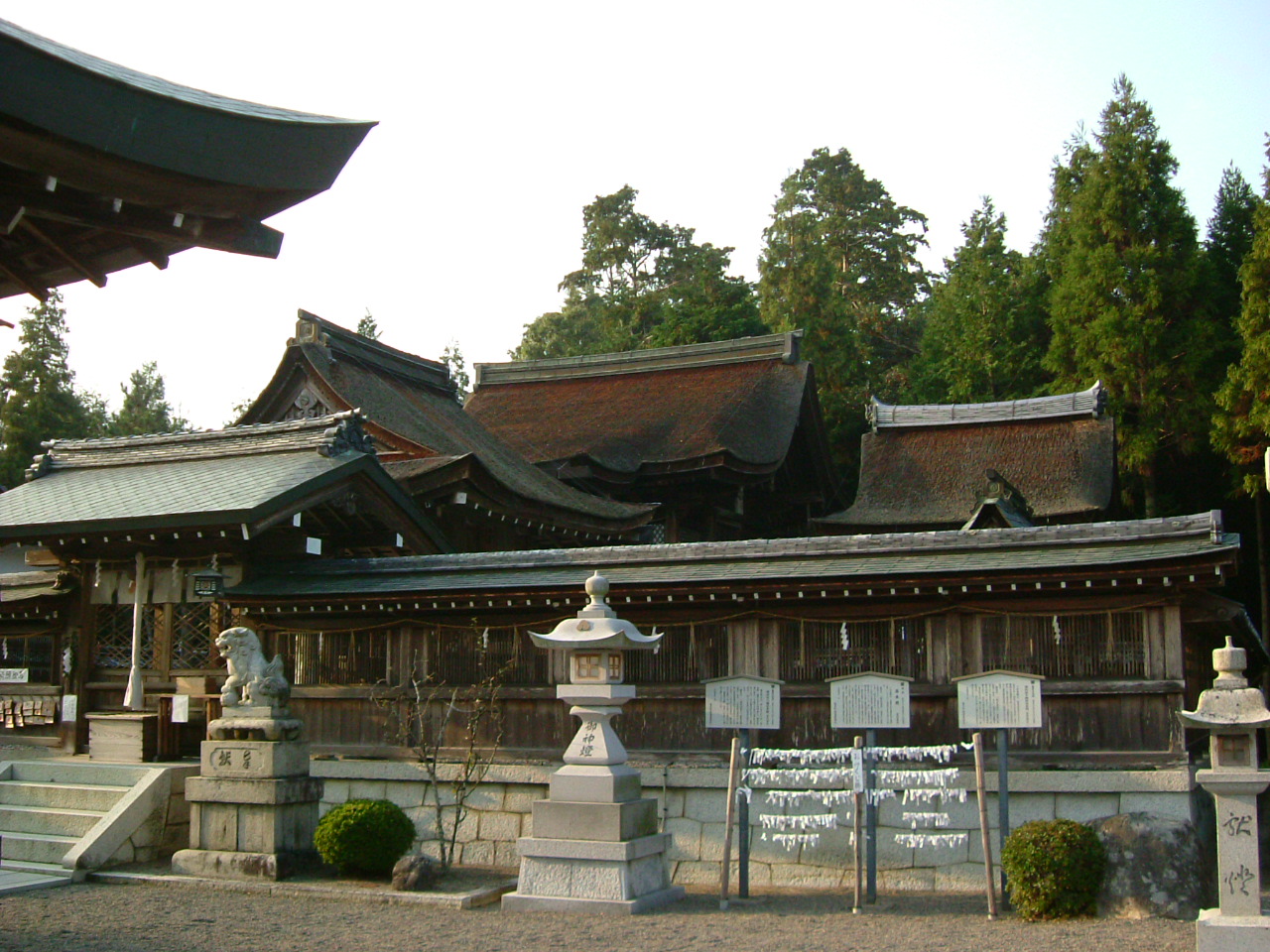
Tarobogu Shrine, formally called Aga Shrine, sits on the slope of Mount Akagami in Higashiomi City and is a sacred site of giant rocks with a history of about 1,400 years. Revered as the god who grants victory and happiness, it is said to have begun when Prince Shotoku, sensing a divine power in Mount Akagami, a sacred peak believed to house the gods, enshrined a deity there. It has gathered the devotion of many warriors, including Minamoto no Yoshitsune. The halls built to jut out from the mountainside, woven together with scattered giant rocks, make it a true sky power spot. As a little known hidden gem for victory fortune, it has quietly drawn attention in recent years.
Highlights
- The wedded rocks, two giant stones nearly 20 meters tall rising on either side. The path through the roughly 80 centimeter gap is said to grant the wishes of the good hearted, while those with evil in their hearts are caught between them.
- A view over the rural fields of Gamono from the main hall beyond more than 740 stone steps.
- A spectacular vista from the approach winding around the slope of Mount Akagami, about 350 meters high, feeling as if you walk through the sky.

Enjoying the Seasons
In the season of fresh greenery the whole mountain is lush, and the climb up the path feels refreshing. In autumn the surrounding mountains turn to brilliant color, and the tinted scenery viewed from on high is especially magnificent.

Access and Basic Information
- About 20 minutes on foot from Tarobogu Mae Station on the Ohmi Railway.
- About 10 minutes by car from Yokaichi Station on the Ohmi Railway.
- About 15 minutes by car from the Yokaichi interchange on the Meishin Expressway.
- Besides parking at the foot, a road also climbs to a lot partway up the slope, from which you can begin your visit.
Practical Travel Notes
- Best time of day: Climbing the steps takes energy, so the cooler morning hours are comfortable. A visit climbing the steps from the foot takes about an hour.
- Match it to your stamina: The more than 740 steps are quite steep, but driving partway up eases the burden of the stairs. Choose the approach that suits you.
- Avoiding crowds: Visitors increase during exam season, the New Year, and prayers for success in contests. For a quiet tour, weekdays are recommended.
- Nearby real spots: The town of Yokaichi and the rural fields and old shrines and temples of Higashiomi lie scattered nearby, enjoyable together with a walk along the Ohmi Railway line.
- Budget sense: The visit is free, and even with a prayer, an amulet, and a nearby meal, it stays within an easy range.
A Quick Tip
The stone steps are quite steep and numerous, so visit in comfortable shoes and easy to move in clothing. There is also a road that lets you drive partway up, so pace your visit to match your stamina. Passing through the gap of the wedded rocks is an experience unique to Tarobogu, and on clear days the view from the main hall is exceptional.
📚 Sources
This article was edited with reference to guidance from Tarobogu (formally Aga Shrine) partway up Mount Akagami in Higashiomi City, along with local information on the giant Meoto-iwa rocks, the more than 740 stone steps, and the views from the approach. Explanations from the shrine and region were consulted for the origin attributed to Prince Shotoku and the belief in victory. Parking and the condition of the road up to the mid-slope may change, so please check the official information of the shrine and others before you set out.
Visitor Checklist
- Estimated time: About one hour if you climb the stone steps from the base to worship.
- Match your fitness: The more than 740 steps are quite steep, but driving up to the mid-slope parking eases the effort, so choose a comfortable approach.
- Access: It is about a 20-minute walk from Tarobogu-mae Station on the Ohmi Railway, or about 10 minutes by car from Yokaichi Station.
- What to wear: Comfortable shoes are reassuring for the stone steps up and down.
- Best time of day: The climb is tiring, so cool mornings are comfortable; exam season and the New Year bring more worshippers.
- Highlights: The approach passing through the roughly 80-centimeter gap of the Meoto-iwa rocks and the view over the Gamono plain from the main hall are highlights.
📍 Location & Access



Share this article


✍️ About this article
This article is compiled by the Tabitabi JAPAN editorial team from official and primary sources, including facility and shrine/temple websites, tourism information published by municipalities and tourism associations, and cultural-property records released by national and local governments. Prices, opening hours and event dates may change, so please also check the official information of each facility or local government before you visit.