
Nagoya Pop Culture: Osu Shopping Street and Anime/Cosplay Culture
Osu Shopping Street in Naka Ward, Nagoya, is one of the city largest shopping districts, home to about 1,200 stores. Electronics, vintage clothing, gourmet eateries, anime shops, and antique stores mix together across old and new, Japanese and Western, creating a uniquely chaotic energy. Historic temples and cutting-edge subculture coexist in this free-spirited district.
Highlights
Banshoji Temple Amid the Shops
Banshoji Temple at the heart of the district is a historic temple founded by Nobuhide, the father of Nobunaga Oda. Known as the setting of the anecdote where Nobunaga threw incense at his father funeral, it now delights visitors with a dragon automaton and other displays blending tradition and modern staging.
A Treasure Trove of Anime and Vintage
Around the Ametoko building and beyond, specialty shops for anime goods, retro games, figures, and trading cards cluster together, offering a full day even for dedicated fans. Distinctive vintage clothing stores also abound, a paradise for bargain hunters.
Street-Food Grazing
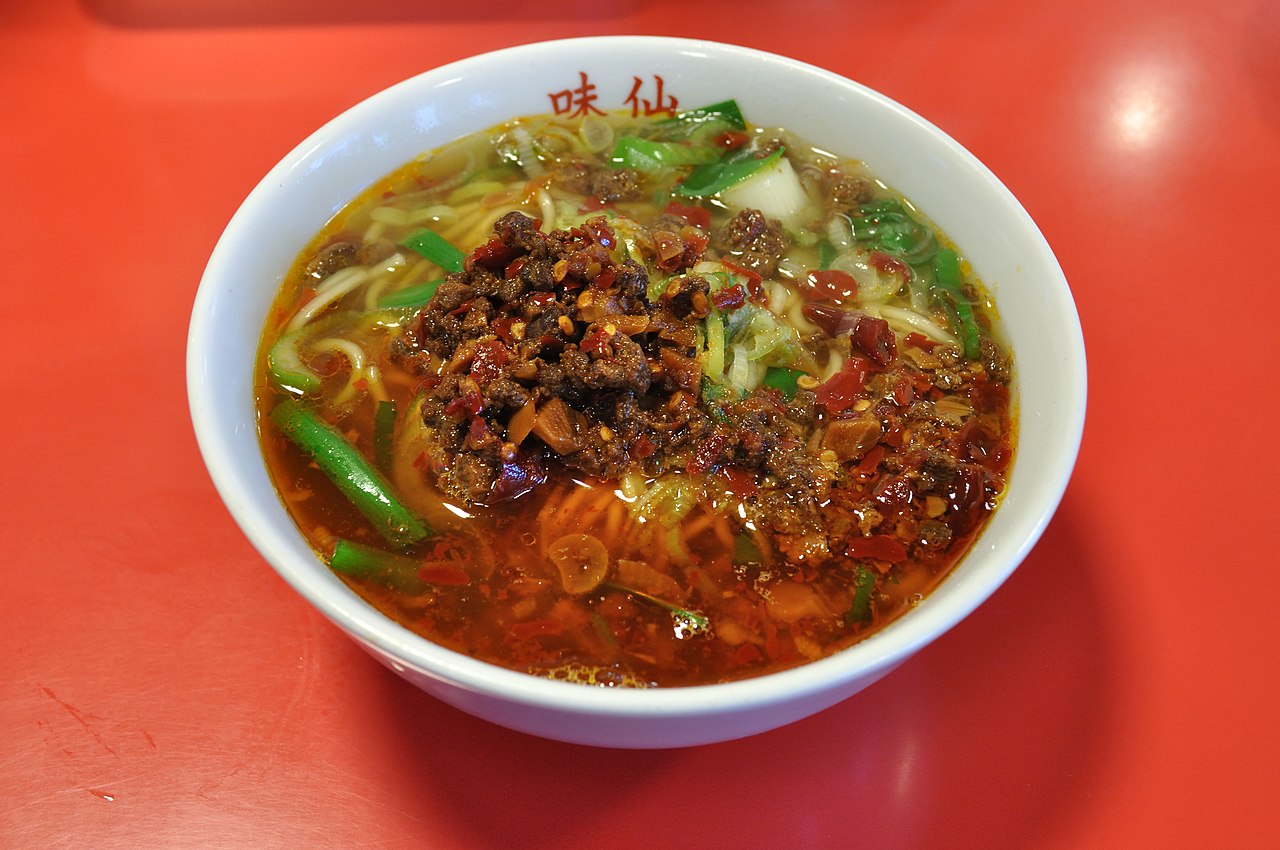
Taiwan mazesoba, chicken wings, dote-ni stew, takoyaki, and Osu jumbo fried chicken pack the arcades. Walking the covered streets while sampling from shop to shop is the Osu way to enjoy the district.
Seasonal Highlights
Held each autumn (typically mid-October), the Osu Daidogei Town Festival is one of Nagoya signature events, gathering street performers and cosplayers. Drawing hundreds of thousands of visitors over two days, its cosplay parade and street performances transform the whole district into an extraordinary festival space. As a covered arcade, it stays relatively comfortable even on rainy days.
Access and Essentials
A short walk from Osu Kannon Station on the subway Tsurumai Line, or Kamimaezu Station on the Meijo Line, both connecting directly to the arcades. It is within walking distance of the Sakae downtown area, easy to combine with Nagoya sightseeing. Many shops open from around midday into the evening, with closing days varying by store. Large dedicated parking is limited, so public transport is recommended.
Practical Travel Notes
- Time needed: about two to three hours for a general walk-through, or half a day to enjoy the food and shopping at leisure.
- Best time: midday to evening, when most shops are open, is the liveliest. Weekends and festival periods are especially crowded.
- Nearby spots: Osu Kannon (Hoshoin) is within walking distance, and one subway stop away is Sakae with the Chubu Electric Power MIRAI TOWER and Hisaya-odori Park.
- Budget: street food starts from a few hundred yen. Vintage clothing and goods vary widely by shop, with plenty of bargains to seek out.
A Word of Advice
Because the arcades are a maze, pick up a district map first and explore by theme such as vintage clothing, retro games, or Taiwanese food for an efficient visit. Some small shops accept cash only, so carrying a little cash is reassuring.
Visitor Checklist
- Estimated time needed: About 2 to 3 hours for a full walkthrough, or half a day if you take your time with food and shopping.
- What to bring: Some small shops are cash-only, so a little cash is reassuring. Picking up a district map first makes exploring efficient.
- Suggested route: Enter the arcade from Osu Kannon or Kamimaezu Station and explore by theme, such as vintage clothing, retro games, or Taiwanese food, around Bansho-ji. Sakae, one subway stop away, can be combined into the same outing.
Practical Information for Your Visit
- Shopping district opening hours: These vary by shop, with many open from early afternoon into the evening. Closing days also differ from shop to shop
- Banshoji Temple: The grounds are freely accessible, the reception office is open 10:00-18:00, it is open year-round, and admission is free. The mechanical karakuri puppet show runs at 10:00, 12:00, 14:00, 16:00 and 18:00, and the White Dragon at 11:00, 13:00, 15:00, 17:00, 19:00 and 20:00
- Osu Kannon (Hosho-in): The main hall is open 6:00-19:00 and the temple office 9:00-17:00. Goshuin stamps are issued at the temple office (down the steps beside the main hall)
- Access: Just a short walk from Osu Kannon Station on the subway Tsurumai Line, or from Kamimaezu Station on the Tsurumai and Meijo Lines. Banshoji Temple is a 3-minute walk from Kamimaezu Station. It is also within walking distance of the Sakae area
- Parking: The parking lot at Banshoji Temple is large, with 722 spaces, charging 220 yen per 30 minutes on weekdays and 330 yen on Saturdays, Sundays and public holidays. However, the surrounding roads get congested at weekends, so public transport is the surer option
- How long to allow: 2-3 hours to walk the whole area, or half a day to take your time with street food and shopping
- To avoid the crowds: Weekend afternoons and the two days of the Osu Daido Chonin Festival are the peak. Weekday mornings through to early afternoon are relatively relaxed for walking
- If it rains: The main streets are covered arcades, so you can eat your way around without an umbrella even in the rain. The White Dragon performance at Banshoji Temple may be cancelled depending on the weather
- Footwear and clothing: The area is flat overall with hardly any steps. Still, you will cover a lot of ground, so comfortable walking shoes are best
- Strollers and wheelchairs: The main arcade streets are flat with few steps, making this an easy area to get around with a stroller or wheelchair. However, some shops have narrow aisles, and small shops on upper floors may have no elevator. Moving around is harder on busy weekend afternoons and festival days, so weekday mornings are your best bet
- Toilets: Available in the grounds of Osu Kannon and Banshoji Temple, and in the commercial facilities within the shopping district
- Budget guide: Street food starts from a few hundred yen per item. Vintage clothing and goods span a wide price range, from bargain finds of a few hundred yen to high-end items at specialty stores
- Payment: Some small shops remain cash-only, so it is reassuring to carry a small amount of cash
- Location: Osu, Naka Ward, Nagoya City, Aichi Prefecture
📚 Sources
The information here is based mainly on the public guidance from the Osu Shopping District Federation and the Nagoya city tourism office. The notices of Bansho-ji temple at the district's center, Osu Kannon (Hosho-in), and the Osu Daido Chonin Festival are also useful references. Because each shop's hours and closed days and the festival dates may change, please confirm the latest details with each facility or the shopping district before you visit.
The number of shops in the Osu shopping district area (about 1,200 shops and facilities) comes from the spot information on Aichi Now, the official Aichi Prefecture tourism website. The history of Banshoji Temple (its founding by Oda Nobuhide and its relocation to Osu accompanying the construction of Nagoya Castle in 1610 (Keicho 15)), the performance times of the karakuri puppets and the White Dragon, the freely accessible grounds, reception office hours of 10:00-18:00, year-round opening and free admission, the 3-minute walk from Kamimaezu Station, the 722-space parking lot and its fees, and the fair and "migawari" rice-cake pounding held on the 28th of every month come from the spot information on Nagoya Concierge, the official tourism information site of the City of Nagoya. The main hall hours of 6:00-19:00 and temple office hours of 9:00-17:00 at Osu Kannon (Kitanosan Shinpuku-ji Hosho-in), the antique markets on the 18th and 28th of every month, and where goshuin stamps are issued come from information published by Osu Kannon and tourism sources. The dates of the 2026 (47th) Osu Daido Chonin Festival are based on announcements from those involved in organizing it; please check the organizer's announcements for the latest information. Opening hours, prices, performance times and festival dates are subject to change, so please check the official information before you set out.
📍 Location & Access


Share this article


✍️ About this article
This article is compiled by the Tabitabi JAPAN editorial team from official and primary sources, including facility and shrine/temple websites, tourism information published by municipalities and tourism associations, and cultural-property records released by national and local governments. Prices, opening hours and event dates may change, so please also check the official information of each facility or local government before you visit.