
Akita Winter Travel: Namahage, Yokote Kamakura & Kakunodate
The Charm of Akita's Winter
"Isn't winter in Tohoku just cold?" If you think so, Akita's winter will surely overturn your values. Bonfires blazing on silver snowfields, the dreamlike light of huts built of snow, the silence of snow quietly piling on samurai residences. Akita's winter concentrates beauty overwhelming enough to make you forget the cold, and a festival culture you'll find nowhere else in the country.
A "real winter" you can absolutely never experience in Tokyo is here. The flicker of flames you look up at on a night chilled to nearly minus 10 degrees, the warmth of a snow house where an unknown child calls out "please come in," footprints that are yours alone carved into untrodden fresh snow. This trip is packed with memories that numbers cannot describe.
If you visit, January to February is the best season. Especially early to mid-February, when the major winter festivals concentrate, is the finest time to experience Akita's "winter in earnest" in full. As long as you prepare well against the cold, the cold becomes one of this trip's stagings. Do dive into Tohoku's overwhelming winter scenery, seen only in this snow-deep season.
Namahage Sedo Festival
In the darkness, flames flicker on the mountain slope. Then suddenly, namahage with demon faces descend with torches in hand. Held at Shinzan Shrine in Oga City every year on the second Friday, Saturday, and Sunday of February, the Namahage Sedo Festival is a winter festival of unparalleled power in Japan, where the nationally designated Important Intangible Folk Cultural Property "Oga no Namahage" unfolds right before tourists' eyes.
The highlight is, above all, the namahage dancing around a large bonfire called the sedo-bi. The sight of more than 20 namahage parading the grounds with the roar of "Are there any crying children?!" is enough to send chills down even an adult's spine. The imposing masks, swaying straw capes, giant bodies lit by flames, that presence cannot be fully conveyed no matter how high-resolution the footage. The tension and excitement filling the grounds is a live experience only those who stand there can know.
The recommended time is the evening session (around 7-9 p.m.). The bonfire and namahage silhouettes against the dark night are spectacular in a word, moving enough to make your camera-holding hands tremble. But don't miss the daytime either. During the day, Shinto rituals and folk events are displayed and performed, a prime chance to thoroughly learn the depth of namahage culture. Entering the venue from before evening and savoring the whole festival over an entire day is the connoisseur's way to enjoy it.
As a locally recommended way to enjoy, in the Shinzan district near the festival venue, you can eat "ishiyaki cuisine" served by local mothers. This Oga local dish, a bold cooking method of tossing red-hot stones into a tub to boil seafood all at once, is itself like a spectacle. The moment the aroma of bubbling broth drifts, the cold vanishes somewhere. A bowl that warms you to the core is one experience you absolutely must not miss at this festival.
Also, entering Oga the day before the festival and enjoying an early-morning visit to Shinzan Shrine is a standard way to spend time among local fans. Standing in the silent grounds with no tourists, the weight of the faith this land has nurtured over long years comes through quietly.
Access
- Train + bus: After getting off at "Oga Station" on the JR Oga Line, a special shuttle bus to Shinzan Shrine runs during the festival period (about 40 minutes). Including the transfer from Akita Station, allow about 1.5 hours total.
- By car from Akita City: About 1 hour via "Showa-Oga-Hanto IC" on the Akita Expressway. However, parking fills from an early hour, so aim to arrive 2-3 hours before opening.
- Direct sightseeing bus from Akita Station: During the festival, several sightseeing bus tours depart from Akita Station. Since they solve the round-trip transport and parking issues all at once, this route is especially reassuring for first-timers and those uneasy about driving on snowy roads.
Tip for travelers: The venue is on a mountain slope, and the felt temperature gets quite low. Aim even higher than what you think is "enough" for cold protection. Layering heat-tech innerwear, fleece, down, and a windproof outer is the basic, and the local way is to stick adhesive heat packs on three points: back, lower back, and stomach. Footwear must be waterproof, non-slip boots. Also, as a popular event, considerable crowds are expected on the day. Using a tour with lodging or a pre-booked shuttle bus greatly reduces travel stress. If you use a camera, batteries drain easily in the cold, so don't forget to carry spare batteries warmed in your pocket.
Yokote Kamakura
When night falls, countless kamakura light up throughout the town of Yokote City. The candlelight leaking from inside the small snow domes softly illuminates the pitch-dark night, a dreamlike beauty as if you'd wandered onto another planet. Held every year on February 15-16, Yokote Kamakura is a traditional event representing Akita's winter with about 450 years of history. Designated a nationally Important Intangible Folk Cultural Property, it draws many travelers from home and abroad as a winter spectacle representing Tohoku.
Inside the kamakura, a water deity is enshrined on an altar, and children stationed inside call out to travelers, "Please come in." Drawn by their innocent smiles into the kamakura, you find another world where the outside cold seems a lie. The snow acts as insulation, and a faint warmth fills the space. The time spent exchanging words with the children while receiving offered rice cakes and amazake will surely become a "treasure of the trip" you can't taste at any tourist spot. This "culture of hospitality" is the greatest reason Yokote Kamakura has been loved for centuries.
The best time is 5-10 p.m. after sunset. This time, when the candles are lit and the whole town is dyed orange, is the most photogenic and moving. In particular, along Futsukamachi and Minami-Sanjo-dori is known as a prime photo spot where kamakura large and small line up neatly, drawing photographers from out of the prefecture in search of this one shot. Meanwhile, the kamakura area around Yokote Park has relatively few people, a hidden gem for those who want to set up a tripod and shoot carefully, or quietly enjoy the kamakura atmosphere.
One more hidden gem: at Japanese confectioneries in the city, "kamakura monaka" and local sweets with a snow motif are sold for a limited time, and snacking is one of the joys. Also, if you have time the next morning, gazing at the kamakura in the morning light after the candles have gone out is also a pleasure. In the quiet morning after the festival's heat has passed, the snow houses shining in soft sunlight have a charm different from the night. Stroll slowly while enjoying a morning at a local bakery or cafe.
Access
- Train: Get off at "Yokote Station" on the JR Ou Main Line, a 10-15 minute walk to the main venue. The path from the station to the venue spreads with snow scenery, so you feel the travel mood just by walking.
- From Akita Station: About 30 minutes on the Akita Shinkansen "Komachi" (some trains run without transfer at Omagari). About 1 hour on local lines. A day trip from Akita Station is fully feasible.
- By car: About 5 minutes from "Yokote IC" on the Akita Expressway. However, the city crowds during the period, so parking a little away from the venue and walking is smoother.
Tip for travelers: The inside of the kamakura is surprisingly warm, but the wait outside is bitterly cold. The locals' standard cold measure is the "sole heat pack," tucking a heat pack under the insole of your shoes. Just warming your toes dramatically changes how you feel, so do try it. Note that Yokote Kamakura is held for only two days, so the battle for lodging is fierce. We strongly recommend booking half a year in advance. Since lodging in Yokote City has limited capacity, basing yourself in Omagari or Akita City and moving on the day is also a realistic option. Also, it is held in principle even in light rain or strong wind, but in Tohoku's winter with rapidly changing weather, keep rain gear and windproof equipment tucked in your backpack.
Snowscape of Kakunodate
Kakunodate, praised as "the little Kyoto of Michinoku," rises even higher in beauty when it dons snow. The sight of white snow piling on the black-fenced samurai residence street, with fluffy snow caps resting on the tips of the weeping cherry branches, is like a single ink painting. Quiet and dignified winter Kakunodate, a complete change from the bustle that rushes in during the spring cherry season. There is more than enough reason that photographers and travel connoisseurs visit again and again as an "adult's hidden famous spot" known to those in the know.
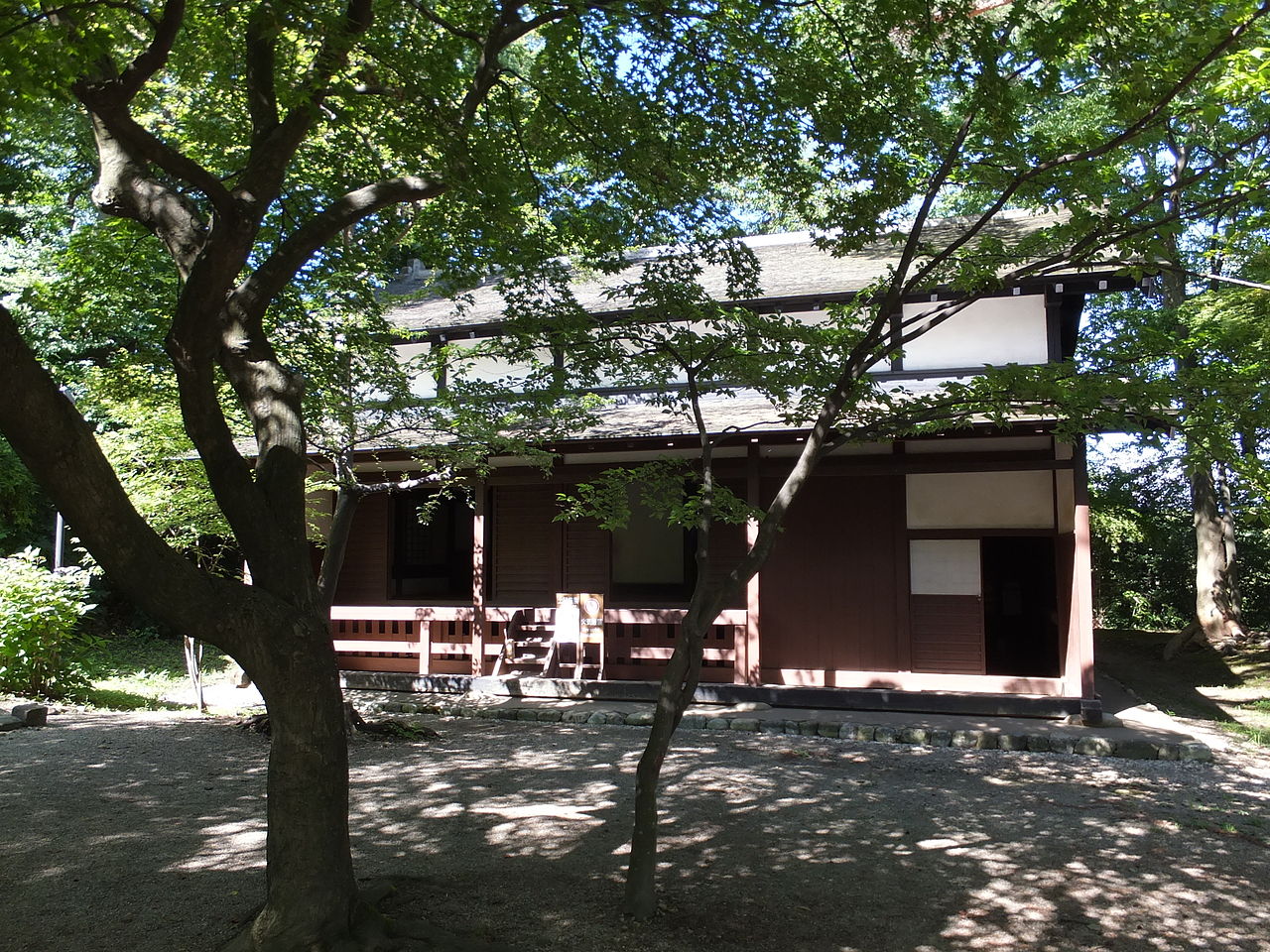
Among the samurai residence street, especially worth seeing are the nationally designated Important Cultural Properties Aoyagi House and Iwahashi House. The combination of the heavy architecture strongly retaining the Edo-period look and the freshly fallen pure-white snow even gives the illusion that time has stopped. Popular spots that form lines from spring to autumn are nearly all to yourself in winter. Without being rushed by anyone, you can leave them in memory and photo at your own pace while considering composition. It's no surprise that not a few photographers assert "Kakunodate's true expression is in winter."
The best time you absolutely can't miss is the early morning 6-8 o'clock hour. Fresh snow before the snowplows come covers the samurai residence street, and a perfect white world without a single footprint spreads. Checking out of your inn early and starting to walk in the twilight, you may encounter the moment the morning sun faintly dyes the snow atop the black fences gold. This time is the golden hour local photographers secretly frequent, Kakunodate's "bare face" known to those in the know. During the day, at the Semboku City Tourist Information Center "Kakunodate Kabazaiku Denshokan," you can also enjoy viewing and experiencing kabazaiku (cherry-bark work), a traditional craft representing Akita. The unique luster and pattern using mountain cherry bark make a superb trip souvenir.
For local gourmet, the miso hot pot using Kakunodate miso purchasable at "Ando Brewery" along the samurai residence street is a winter standard. Peeking into the long-established storehouse continuing since the Edo period while enjoying samples is also a trip thrill. On the way back, do have a warm bowl at a long-established Inaniwa udon shop, Akita's specialty. The sight of the smooth thin noodles swimming in clear broth is beautiful to the eye, and the gentle flavor that soaks into a cold body melts away travel fatigue little by little.
Access
- Shinkansen: About 3 hours 20 minutes from Tokyo Station to Kakunodate Station on the Akita Shinkansen "Komachi" (direct). The convenience of access without transfers is especially reassuring on a winter trip.
- From Akita Station: About 45 minutes on the Akita Shinkansen, or about 1 hour 10 minutes on local lines (Ou Main Line, Tazawako Line). It's an easy distance to fold into a combined itinerary with the Namahage Sedo Festival and Yokote Kamakura.
- By car: About 30 minutes from "Omagari IC" on the Akita Expressway via Route 105. Road conditions change greatly by season, so be sure to check the latest information before departure.
Tip for travelers: Although Kakunodate's samurai residence street is plowed, shaded spots often become icy. Be sure to bring spiked boots or simple crampons that attach to your soles (purchasable at local souvenir shops and pharmacies). Also, some tourist facilities have shortened hours or close in winter, so don't forget to confirm in advance on official sites. Those who want to enjoy early-morning photography should stay the night before at an inn near the samurai residence street. Though Kakunodate is a small town, tasteful inns are dotted about, offering a lodging experience where the inn itself becomes a trip memory.
Points for a Winter Trip
Being able to tour these three, the flames of namahage, the light of kamakura, and the snow-clad samurai residences, in one trip is the greatest thrill of Akita's winter trip. The key when planning is "how to choose the dates." Since the second weekend of February has the "Namahage Sedo Festival" (second Fri/Sat/Sun) and "Yokote Kamakura" (15th-16th) held close together, building your itinerary around this week is most efficient. Adding Kakunodate's snowscape to that realizes a greedy, fulfilling trip enjoying all of Akita's winter headliners. The travel distances come together without strain, so a 2-night-3-day to 3-night-4-day plan is plenty to get around.
What's absolutely essential in trip preparation is thorough cold protection. Heat-tech-type upper and lower innerwear, fleece, a down jacket, windproof and waterproof outer, waterproof gloves, a neck warmer, a knit hat, and slip-resistant waterproof boots are must-have gear. Bring 10 or more adhesive heat packs, and the local style for surviving Akita's winter is to stick them on four points: back, lower back, stomach, and soles. "Cold protection first, even if luggage increases" is the iron rule for enjoying this trip.
For travel, keep in mind that winter Akita is prone to transport delays and cancellations due to snowfall and accumulation. Leave leeway in your travel schedule, and especially on the final day it's wise to start moving early. Those using a rental car must be sure to choose a vehicle fitted with studless tires. Since lodging fills rapidly during event periods, we strongly recommend booking the very day your itinerary is set.
Even so, Akita's winter has something powerful enough to blow away all the inconveniences. The beauty of flames looked up at in the freezing air, the warmth of a cup of amazake received inside a snow house, the quiet joy of leaving footprints all your own on a snowy road with no one around. When you finish the trip and return to daily life, you suddenly recall that scenery and feel, memories that shine brighter as time passes, Akita's winter will surely give them to you.
📍 Location & Access




Share this article


✍️ About this article
This article is compiled by the Tabitabi JAPAN editorial team from official and primary sources, including facility and shrine/temple websites, tourism information published by municipalities and tourism associations, and cultural-property records released by national and local governments. Prices, opening hours and event dates may change, so please also check the official information of each facility or local government before you visit.