Akita City Old Castle Town and Senshu Park: Kubota Castle Ruins, Cherry Blossoms, and Local Sake
Akita City in Akita Prefecture was the castle town of the Akita domain, roughly 200,000 koku, ruled by the Satake clan in the Edo period. At its center is Senshu Park, laid out over the main and second baileys of Kubota Castle, beloved by residents and visitors as a spot for cherry blossoms and azaleas. Kubota Castle is unusual in having no keep, and the corner tower rebuilt to mark the city's 100th anniversary, along with the main gate, convey the atmosphere of former times.
Kubota Castle and the Satake Clan
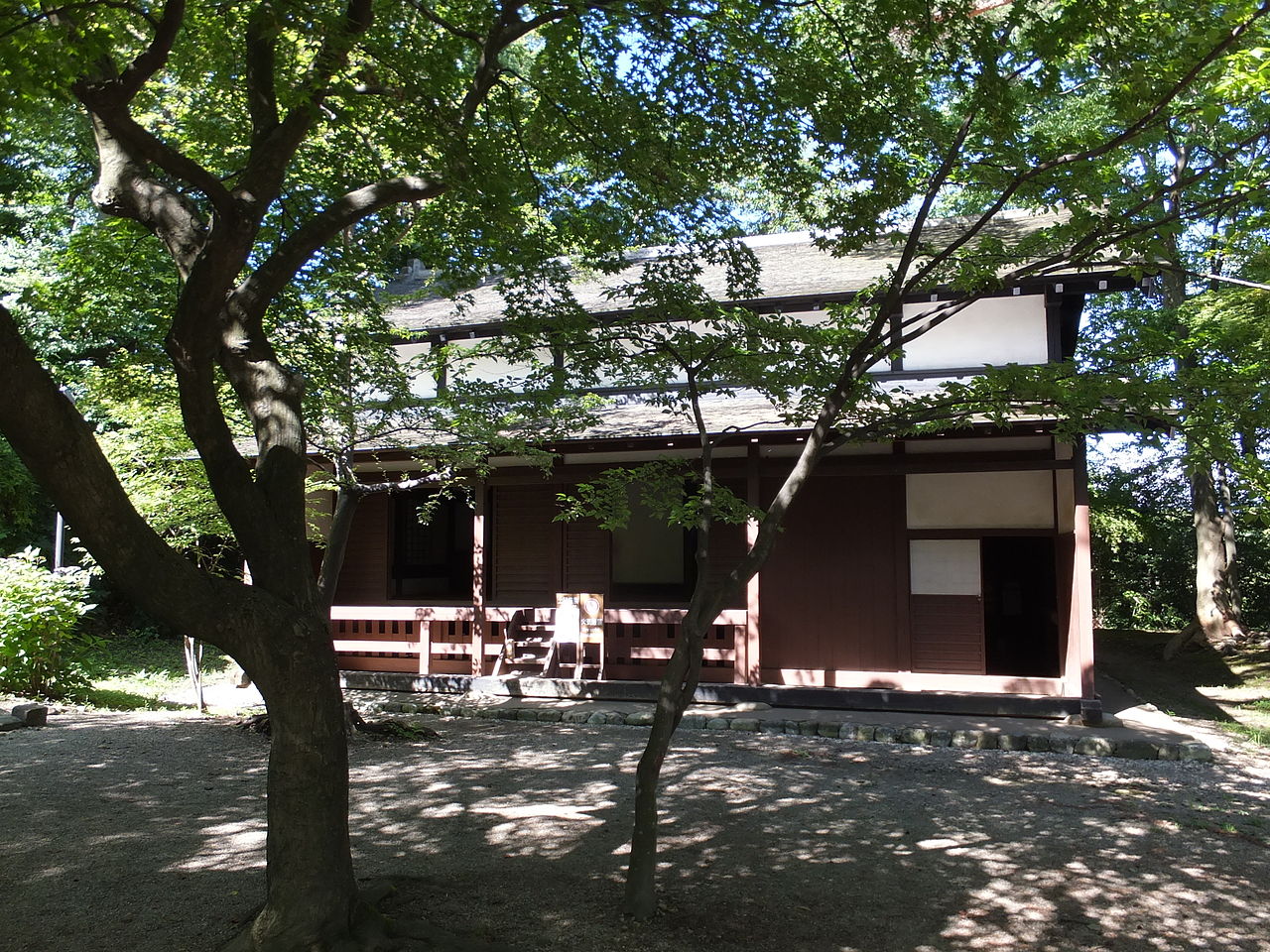
Kubota Castle was entered in 1604 by Satake Yoshinobu, who had been transferred from Hitachi, present-day Ibaraki. It was an earthwork castle that used almost no stone walls, defended by moats and earthen ramparts, and a key feature is that it had no keep from the start. Explanations include financial circumstances and deference to the shogunate. Today the main and second bailey sites form Senshu Park, and the corner tower and main gate have been restored.

Main Highlights
- Senshu Park: The city's symbol, created over the Kubota Castle ruins. In spring, mid to late April, cherry blossoms bloom in spectacular numbers
- Kubota Castle corner tower: A restored tower at the northwest corner of the main bailey, with an observation room offering views over central Akita
- Satake Historical Museum: Displays of historical materials linked to the Satake lords of the Akita domain, inside Senshu Park
- Akita City Folk Performing Arts Heritage Hall (Neburi Nagashi Kan): Introduces Akita folk performing arts centered on the Kanto festival
- Akita City Red Brick Folk Museum: A folk museum housed in a solid Meiji-era red brick building

Local Cuisine of Akita
Akita is a treasure house of food. Local dishes abound, including Inaniwa udon, a refined dried noodle with a smooth texture; kiritanpo hot pot, made from mashed rice wrapped around sticks and grilled; and hot pots using shottsuru, a fish sauce made from sailfin sandfish. The area is also known as a sake region, with many celebrated breweries such as Aramasa, Takashimizu, and Kariho. Many restaurants serving local food cluster around the station building, convenient for meals on your trip.
Kanto Festival
The Akita Kanto Festival, one of the three great festivals of Tohoku, is a summer highlight held every year on August 3 to 6. Around 280 tall poles hung with paper lanterns are balanced with skill on the forehead, hip, and shoulder in a striking display. A large pole reaches about 12 meters, carries 46 lanterns, and can weigh about 50 kilograms. It is designated an Important Intangible Folk Cultural Property (please confirm program and dates with official sources).
Access and Basic Information
- Nearest station: About 15 minutes on foot from JR Akita Station (Akita Shinkansen and Ou Main Line) to Senshu Park
- Getting around the city: Major sights cluster near the station and are easy to walk between, with buses and touring routes also available
- By car: About 15 to 20 minutes from Akita Chuo IC on the Akita Expressway to the city center
- Parking: Coin parking is available around Senshu Park and in the city center
Practical Travel Notes
- Best seasons: Cherry blossoms in mid to late April and the Kanto Festival in early August are the two great highlights, with fine autumn foliage as well
- Best times: A stroll through Senshu Park is pleasant in the morning, while the Kanto Festival is best seen at night, when the main performances take place
- Avoiding crowds: Lodging fills up considerably during the Kanto Festival, so booking months ahead is wise
- Time needed: A town walk taking in Senshu Park and nearby sites takes about half a day to a full day
- Real nearby spots: Senshu Park, Satake Historical Museum, Akita City Red Brick Folk Museum, Neburi Nagashi Kan, and the souvenir and dining area of the Akita station building
- Budget guide: Admission to museums is around a few hundred yen, while a meal of local cuisine runs roughly 1,000 to 2,000 yen and up
One Piece of Advice
Because the highlights cluster within walking distance of Akita Station, a town walk alone can fill an enjoyable half day. During the Kanto Festival lodging books up early, so secure a room as soon as your plans are set. In cherry blossom season the evening illumination of Senshu Park is also worth seeing.
📚 Sources
The information here is based mainly on the public guidance from Akita city and its tourism association. The notices for facilities such as the Kubota Castle Osumi-yagura, the Satake Historical Materials Museum, the Akita City Red Brick Folk Museum, and the Neburi-nagashi-kan, and for the Akita Kanto Festival, are also useful references. Because each facility's admission and hours and the Kanto Festival dates and content may change, please confirm the latest details with each facility or the tourism association before you visit.
Visitor Checklist
- Estimated time needed: A town walk around Senshu Park and nearby facilities takes about half a day to a full day.
- What to bring: Cash is handy for museum admission and local-cuisine meals. During the Kanto Festival the city's lodging is very crowded, so booking months ahead is reassuring.
- Suggested route: Explore the Osumi-yagura turret and the front gate at Senshu Park (the Kubota Castle site), then visit the Satake Historical Materials Museum, the Red Brick Folk Museum, and the Neburi-nagashi-kan, and enjoy Inaniwa udon or kiritanpo hot pot at a local restaurant near Akita Station.
📍 Location & Access


Share this article


✍️ About this article
This article is compiled by the Tabitabi JAPAN editorial team from official and primary sources, including facility and shrine/temple websites, tourism information published by municipalities and tourism associations, and cultural-property records released by national and local governments. Prices, opening hours and event dates may change, so please also check the official information of each facility or local government before you visit.