
Taiheizan Miyoshi Shrine — The Renowned Shrine of Martial Arts and Victory
In Akita City stands Taiheizan Miyoshi Shrine, a storied shrine enshrining three deities, Onamuchi-no-Okami, Sukunahikona-no-Okami, and Miyoshi-no-Okami, and it is the head shrine of the Miyoshi shrines found across Japan. Affectionately called Miyoshi-san by local residents, it draws deep faith as a deity of victory in contests and of prosperity in business. Shrine tradition places its founding in the second year of Hakuho (673), making it an ancient shrine. The Miyoshi Bonden Festival held every year on January 17 is known as one of the signature winter traditions of Akita.
Highlights
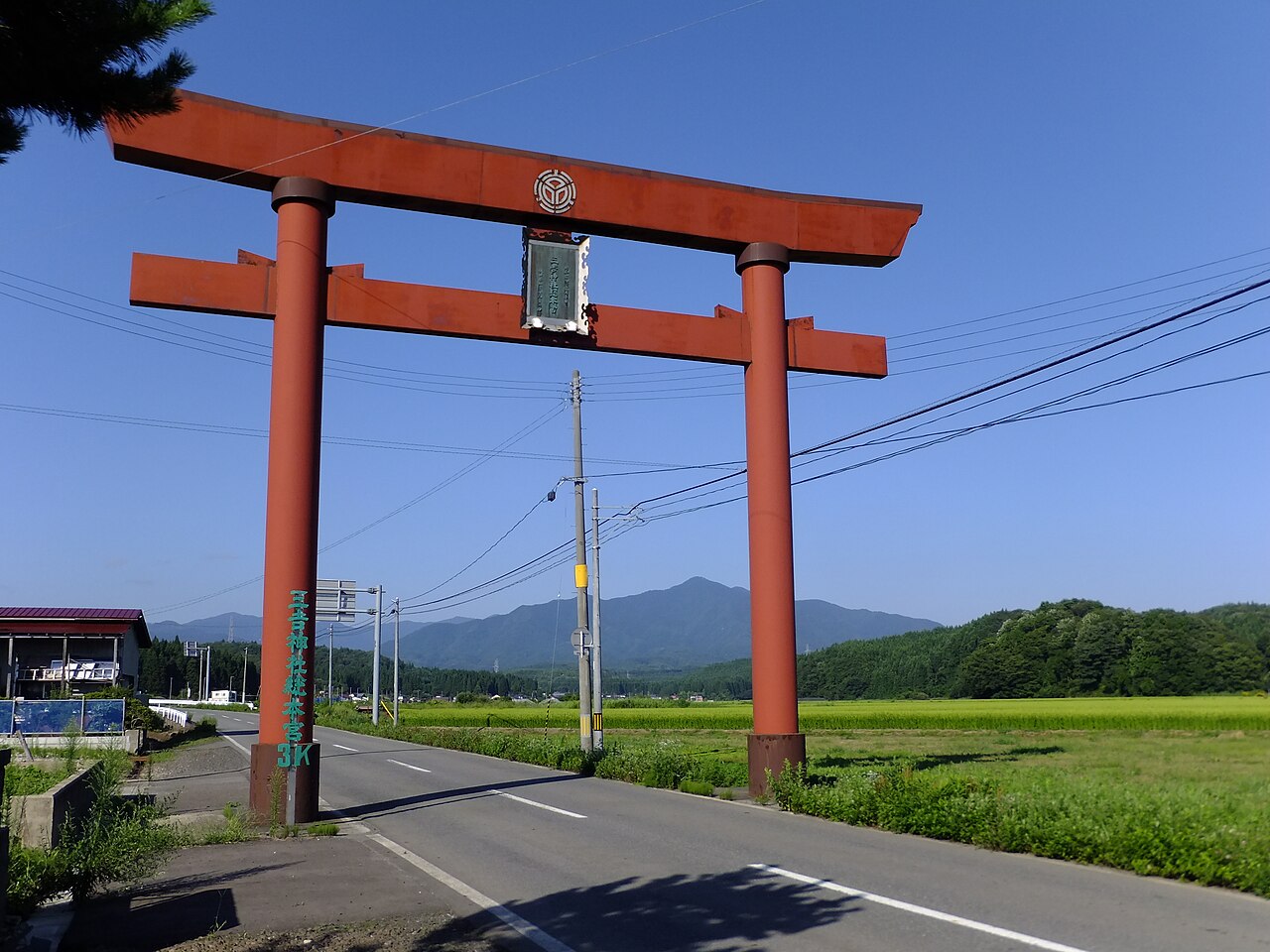
Taiheizan Miyoshi Shrine is divided into a lower shrine (satomiya) in the city and an inner shrine (okumiya) on the summit of Mount Taihei. The lower shrine is in the urban area and easy to visit, but the true power spot is the inner shrine set on the summit of the sacred Mount Taihei at 1,170 meters. Many worshippers aim for the inner shrine as a hike, and worship in the pure mountain air amid nature is an exceptional experience. Large cedars stand in the precincts of the lower shrine, creating a sacred atmosphere. At the Miyoshi Bonden Festival, a procession offers bonden (sacred wands made of bamboo, cloth, and other materials), and the spirited scramble to present them first has become a winter tradition of Akita.
Enjoying the Seasons
Winter (January): January 17, when the Miyoshi Bonden Festival is held, is the climax of the New Year rites of Akita. Spring (April to May): Cherry blossoms color the precincts, and inner-shrine worshippers increase as the hiking season begins. Summer (June to August): The peak season for inner-shrine worship paired with a climb of Mount Taihei. Autumn (September to November): Mount Taihei is beautiful in autumn foliage, and an autumn visit combining a hike with leaf-viewing is recommended.

Access and Basic Information
- To the lower shrine: By bus or car from JR Akita Station; the lower shrine is in Hiroomote, Akita City
- By car: The lower shrine is relatively close to central Akita City. Check official information on the availability and capacity of parking
- To the inner shrine: You walk a mountain trail to the inner shrine on the summit of Mount Taihei. Trailheads such as Asahimata are the starting points, and the round trip requires substantial time and stamina
- Worship hours: The precincts of the lower shrine can be visited. Check official information for shrine office hours and goshuin seal stamps
Practical Travel Notes
- Best season and time: The lower shrine can be visited year-round, and morning is best for a quiet visit. The inner-shrine climb suits early summer once the lingering snow melts through the autumn foliage. A winter climb of Mount Taihei requires snow-mountain gear and experience and is not generally recommended
- Time needed: About thirty minutes for the lower shrine alone. The climb to the inner shrine is a serious outing on the scale of several hours round trip depending on the trail and your stamina, and can take a full day
- Avoiding crowds: On January 17 the Bonden Festival makes the city very crowded, so allow for warm clothing and extra time. An ordinary visit to the lower shrine is relatively calm
- Clothing and gear: City walking clothes are fine for the lower shrine. For the inner shrine, bring proper hiking gear such as hiking boots, rain gear, water, and snacks
- Nearby real spots: Senshu Park (the site of Kubota Castle) in central Akita City, the Akita Museum of Art, and the Akita City Market can be toured together
- Budget: Visiting the lower shrine is free; the main costs are goshuin seals and amulets and transport for the climb
A Quick Tip
The Miyoshi Bonden Festival is a dynamic festival representing winter in Akita, and warm clothing is essential for viewing. The inner shrine is on the summit of Mount Taihei, so worship requires a climb. Allow ample stamina and time and prepare your gear before setting out. It is best to first visit the lower shrine in the city casually, then plan the inner-shrine climb according to your fitness.
📚 Sources
The information here is based mainly on the public guidance published by the shrine office of Taiheizan Miyoshi Shrine. The tourism information of Akita city, the notices for the Miyoshi Bonden Festival, and local guidance on climbing Mount Taihei to the inner sanctuary are also useful references. Because the lower sanctuary reception, the best season for the inner-sanctuary climb, and the Bonden Festival dates may change, please confirm the latest details on the official shrine information before you visit.
Visitor Checklist
- Estimated time needed: About 30 minutes for the lower sanctuary alone; the climb to the inner sanctuary is a serious route of several hours round trip, best planned as a full day.
- What to bring: Everyday clothing is fine for the lower sanctuary, but reaching the inner sanctuary requires proper gear such as hiking boots, rain gear, water, and snacks. Cash is handy for a goshuin or amulet.
- Suggested route: First visit the lower sanctuary in the city, and if you have the stamina and time, climb to the inner sanctuary at the summit of Mount Taihei. Combining it with Senshu Park (the Kubota Castle site) and the Akita City Market in central Akita is also recommended.
📍 Location & Access



Share this article


✍️ About this article
This article is compiled by the Tabitabi JAPAN editorial team from official and primary sources, including facility and shrine/temple websites, tourism information published by municipalities and tourism associations, and cultural-property records released by national and local governments. Prices, opening hours and event dates may change, so please also check the official information of each facility or local government before you visit.