
Rainy Day in Akita: Best Indoor Spots & Activities
Akita City Senshu Museum of Art
A rainy day—the sound of raindrops tapping gently on the windows—is the perfect occasion to quietly immerse yourself in art. The Akita City Senshu Museum of Art, housed inside the "Atorion" complex at 2-chome Nakadori in Akita City, is a 5-minute walk from the west exit of JR Akita Station. It is one of those places you truly want to visit on a rainy day.
The museum's permanent display rests on two pillars. One is the Kenzo Okada Memorial Gallery, which introduces the work of the painter Kenzo Okada. The other is a display of "Akita Ranga"—Western-style paintings produced in the Akita domain during the Edo period. This distinctive pictorial world, in which artists tried to capture Western perspective and shading using Japanese painting materials, is something you will rarely encounter in other prefectures. It is perfect for the kind of time you can only spend on a quiet, rainy day, following every detail at your own pace.
A few minutes' walk from this museum, inside "Area Nakaichi," stands the Akita Museum of Art. It is here that Tsuguharu Foujita (Leonard Foujita), the Japanese painter who rose to fame in Paris, has his monumental 1937 work "Akita no Gyoji" (Events of Akita)—approximately 3.65 meters high and 20.5 meters wide—on permanent display in the large mural gallery on the second floor. The painting was born when Masakichi Hirano, a wealthy man of Akita City, conceived the idea of an art museum together with Foujita (collection of the Masakichi Hirano Art Foundation). Standing before its overwhelming scale, you will catch your breath and think, "I had no idea a painting like this existed in Akita." On a rainy day, taking in these two museums one after the other is the classic course in central Akita City.
Best Season & Recommended Visiting Hours: Enjoyable year-round, but on winter mornings, when the world outside is dyed white with snow, the interiors are especially quiet and you can spend the luxury of time facing the works one-on-one. Both the Senshu Museum of Art and the Akita Museum of Art open at 10:00, so the 10 o'clock hour right after opening is recommended for its light crowds.
A Way to Enjoy It Like a Local: "Atorion," which houses the Senshu Museum of Art, is a complex containing a hall and shops. You can stay indoors after viewing the art, so even days of heavy rain are no problem. The content of the special exhibitions changes with each run, so checking the official website before your visit to see "what is on show right now" will make the trip more rewarding.
Access: The Senshu Museum of Art is a 5-minute walk from the west exit of JR Akita Station (inside Atorion, 2-3-8 Nakadori, Akita City). The Akita Museum of Art is likewise a 10-minute walk from Akita Station (1-4-2 Nakadori, Akita City). Neither has its own parking lot, so if you come by car, use a nearby coin-operated parking lot such as the "Nakaichi Parking Lot."
💡 Tips for Travelers: The permanent exhibition at the Senshu Museum of Art costs 310 yen for adults and 210 yen for university students, and is free for high school students and younger. Admission to the Akita Museum of Art varies by exhibition (at both museums, visitors with a disability certificate and one carer are admitted free of charge). A folding umbrella and an eco-bag will let you carry home an exhibition catalogue from the museum shop in perfect condition.
Akita City Folk Performing Arts Heritage Center (Neburi Nagashi Kan)
There may be few places in Akita that suit the saying "seeing is believing" quite as well as this one. The Akita City Folk Performing Arts Heritage Center (commonly known as Neburi Nagashi Kan) is a facility where you can feel the power of the Kanto Festival, Akita's signature summer festival, no matter the season.
The moment you step inside, your eyes are drawn to a full-scale giant kanto pole. At roughly 12 meters tall and weighing as much as about 50 kilograms, it has a presence utterly different from photographs or video. At the Kanto Festival, "sashite" performers show off their skill in balancing this enormous pole on the forehead, hip, shoulder, palm and elsewhere—and seeing the real thing up close, you are genuinely astonished that a human being can handle it.
Even better, there is a hands-on corner where you can actually hold a kanto pole. Balancing a real kanto (a smaller size made for the experience) on your palm or forehead is a huge hit with children and adults alike. "It looks easy, but I can't do it at all!"—the corner is full of such voices, laughter and moments of admiration. Hearing that local children have been practicing this skill since they were small only deepens your respect for Akita's festival culture.
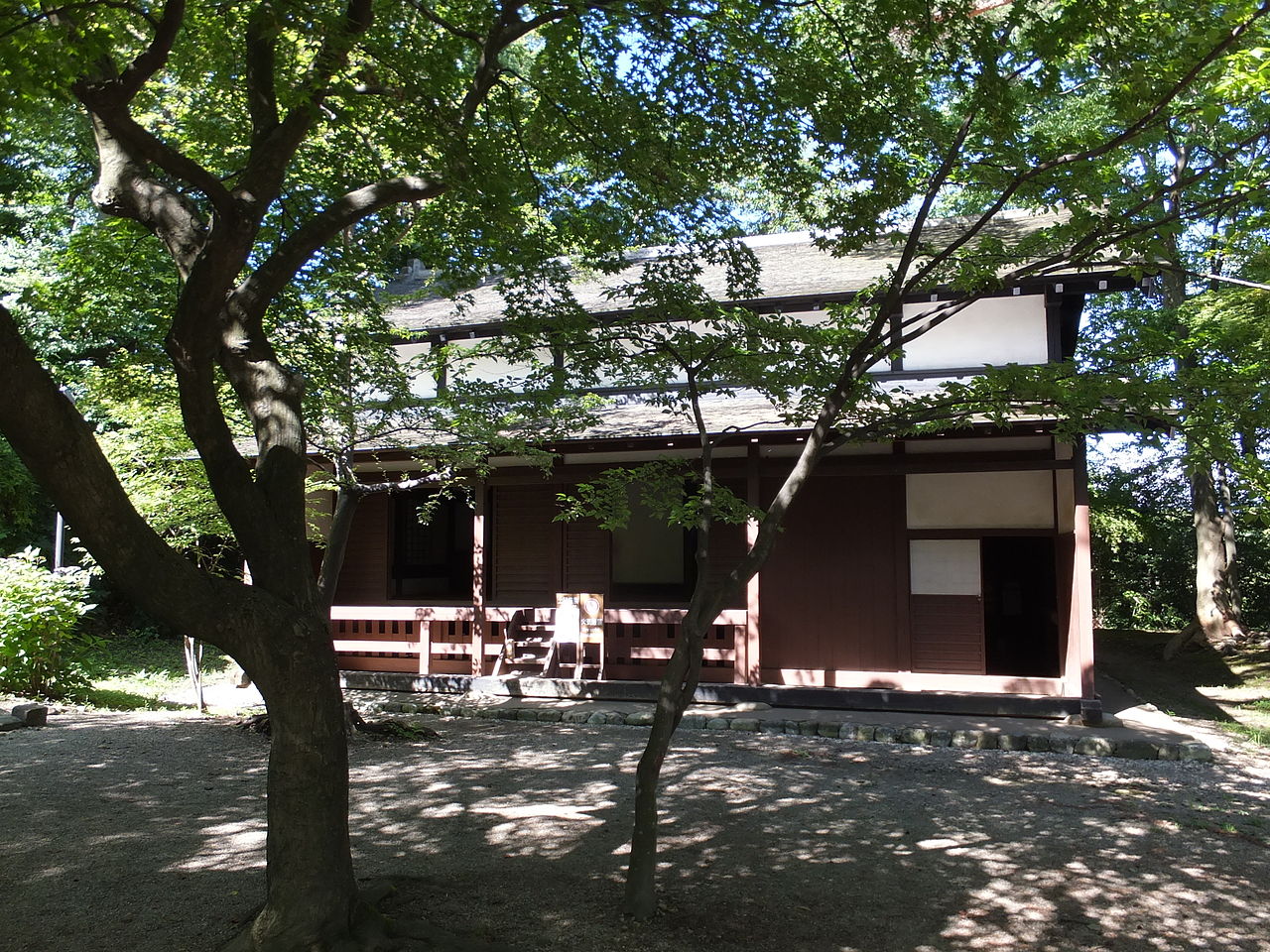
Beyond the kanto, the first floor introduces the hikiyama festival of Tsuchizaki Shinmeisha Shrine, while the second and third floors display materials and video about Akita's folk performing arts. You can also visit the former Kaneko Family Residence, which can be toured at the same time (a late-Edo-period townhouse, complete with a storehouse from the end of the shogunate). As an introduction to the whole picture of Akita's festivals and townspeople's culture, it is a good place to visit at the start of your trip.
Best Season & Recommended Visiting Hours: During the Kanto Festival (August 3-6 every year) the opening hours are extended until 19:00 and the atmosphere inside is at its most heated. It does get crowded, though, so if you want to take your time, a weekday morning is the sweet spot. Normally it closes early, at 16:30 (last admission 16:15), so avoid visiting late in the afternoon.
Hidden Gem Information: Surprisingly little known among visitors is the combined ticket with the Akarenga Local History Museum. For 370 yen (290 yen for groups of 20 or more) you can enter both facilities. It is the first option to consider when you feel like adding "one more museum" on a rainy day.
Access: The address is 1-3-30 Omachi, Akita City. It is about a 15-minute walk from JR Akita Station; by bus, get off at "Toricho" or "Neburi Nagashi Kan Mae." The city center loop bus "Gururu" also stops at "Neburi Nagashi Kan Mae." Parking is limited to just 7 spaces for ordinary cars (no reservations), so use a nearby coin-operated parking lot when it is full. It can be combined with the Senshu Museum of Art in half a day, making it an ideal rainy-day set plan.
💡 Tips for Travelers: Admission is a surprisingly reasonable 130 yen (100 yen for groups of 20 or more), and free for high school students and younger. Credit cards, electronic money and QR-code payments are all accepted. Visit the hands-on corner in clothes that are easy to move in so you can enjoy it to the full. The interior is air-conditioned, so if you feel the chill, bringing a light jacket is reassuring.
Practical Information for Your Visit
Opening hours / closing days of each facility
- Akita City Senshu Museum of Art: 10:00-18:00 (last admission 17:30) / Closed for the New Year period (December 29 to January 3), plus occasional temporary closures for exhibition changeovers and the like
- Akita Museum of Art: 10:00-18:00 (ticket sales until 17:30) / Irregular closing days. It may close temporarily for maintenance and other reasons, so checking in advance is essential
- Akita City Folk Performing Arts Heritage Center (Neburi Nagashi Kan): 9:30-16:30 (last admission 16:15) / Closed for the New Year period (December 29 to January 3). During the Kanto Festival (August 3-6) it stays open until 19:00
Price guide
- Senshu Museum of Art, permanent exhibition: 310 yen for adults (250 yen for groups) / 210 yen for university students (160 yen for groups) / free of charge for high school students and younger
- Akita Museum of Art: admission varies by exhibition (one example is a run with 310 yen for adults, 280 yen for seniors aged 70 and over, 210 yen for university students, and free of charge for high school students and younger)
- Neburi Nagashi Kan: 130 yen (100 yen for groups of 20 or more) / free of charge for high school students and younger / a combined ticket with the Akarenga Local History Museum costs 370 yen (290 yen for groups)
- At all three facilities, visitors with a disability certificate and one carer are admitted free of charge (the certificate must be shown at the reception)
- Neburi Nagashi Kan accepts credit cards, electronic money and QR-code payments
Access (can you get there without getting wet?)
- Senshu Museum of Art: Inside "Atorion" at 2-3-8 Nakadori, Akita City. A 5-minute walk from the west exit of JR Akita Station. There are stretches where you walk outdoors, but the distance is short, and once inside it is a complex with a hall and shops, so you can spend the rest of your time indoors
- Akita Museum of Art: Inside "Area Nakaichi" at 1-4-2 Nakadori, Akita City. A 10-minute walk from JR Akita Station. It is only a few minutes on foot from the Senshu Museum of Art, so the two are easy to combine
- Neburi Nagashi Kan: 1-3-30 Omachi, Akita City. About a 15-minute walk from JR Akita Station. On days of heavy rain the bus is a surer bet: take an Akita Chuo Kotsu bus and get off at "Toricho" or "Neburi Nagashi Kan Mae." The city center loop bus "Gururu" also stops at "Neburi Nagashi Kan Mae"
- * None of the three facilities connects directly to the station, so an umbrella is a must
Parking
- Senshu Museum of Art: No dedicated parking. Use nearby paid parking lots (there is parking reserved for visitors with physical disabilities on the second basement level of Atorion)
- Akita Museum of Art: No dedicated parking. Use nearby paid parking lots such as the "Nakaichi Parking Lot"
- Neburi Nagashi Kan: Space for 7 ordinary cars (reservations not accepted). When full, use a nearby coin-operated parking lot
What needs to be reserved
- None of the three facilities requires advance reservations for general admission
- The Kanto pole experience corner on the first floor of Neburi Nagashi Kan also needs no reservation and can be tried freely during opening hours
- Advance reservations are not accepted for parking (Neburi Nagashi Kan, 7 spaces)
Points to note on rainy days
- Neburi Nagashi Kan closes early, at 16:30 (last admission 16:15). Starting late in the afternoon will not leave you enough time, so it is safest to visit it before the art museums or to fit it into the morning
- The Akita Museum of Art has irregular closing days. Do not assume a fixed weekly closing day; always check the official website for opening days before you set out
- At both the Senshu Museum of Art and the Akita Museum of Art, admission fees and exhibition content change with each run. Checking "what is on show" in advance means no wasted trips
- On days when you want to stay dry for as long as possible, the combination of "Senshu Museum of Art (Atorion) + Akita Museum of Art (Area Nakaichi)," both close to the station, involves the least walking
- In winter, roads can be icy or snow-covered, so wear non-slip shoes. The interiors are air-conditioned, so a light jacket makes for a comfortable visit
* The information given here is subject to change. Please check the official websites for the latest details before you set out.
(Sources: Akita City official website (Senshu Museum of Art, Folk Performing Arts Heritage Center) / Akita Museum of Art official website, as of August 2026)
📍 Location & Access




Share this article


✍️ About this article
This article is compiled by the Tabitabi JAPAN editorial team from official and primary sources, including facility and shrine/temple websites, tourism information published by municipalities and tourism associations, and cultural-property records released by national and local governments. Prices, opening hours and event dates may change, so please also check the official information of each facility or local government before you visit.