
Tsuruga Port: History and Romance Sleeping at the Gateway of the Sea of Japan
A gateway for exchange with the continent since ancient times, and in the modern era a flourishing international port linking Europe and Asia. Tsuruga Port in Tsuruga City, Fukui Prefecture, is a port open to the Sea of Japan, brimming with history and romance. The story known as the "Port of Humanity," retro red-brick warehouses, and the history of railways and the port. Tsuruga, which played important roles at turning points in history as a maritime gateway, has many stories etched into it.
Highlights
Tsuruga Port is a fine natural harbor in Tsuruga City, Fukui, that has flourished since ancient times as a gateway for trade with the continent. An important base for receiving the culture of the Korean Peninsula and the Chinese mainland, it was a strategic point of exchange linking Eurasia. In the Meiji and Taisho eras, as a port on an international route connecting to the Trans-Siberian Railway, it formed part of the route linking Tokyo and Europe, greatly bustling as an international port through which many people and goods passed.
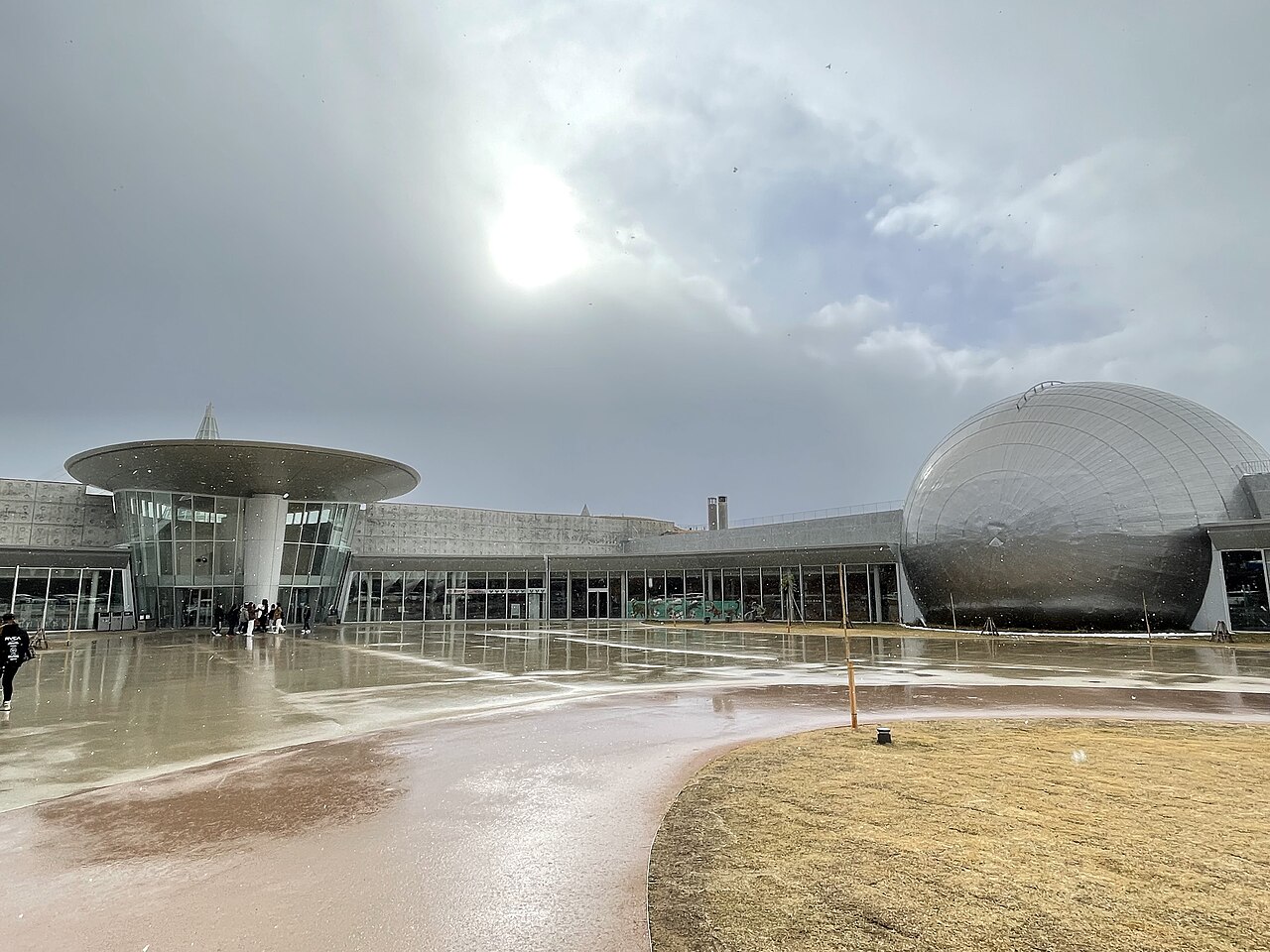
Tsuruga is also known as the "Port of Humanity." During World War II, Jewish refugees fleeing Nazi persecution reached Tsuruga Port via Siberia thanks to the "visas for life" issued by the diplomat Chiune Sugihara at the consulate in Lithuania. There is also a history of accepting Polish orphans who lost their families in the turmoil of the Russian Revolution. At the "Port of Humanity Tsuruga Museum," you can learn these moving stories. Around the port remain retro red-brick warehouses that speak of Meiji and Taisho prosperity, now used as cafes, restaurants, and a diorama hall, full of port-town atmosphere.
Enjoying the Seasons
It can be enjoyed year-round, but a stroll around the port is recommended in the comfortable seasons of spring and autumn. Summer bustles with events such as the Tsuruga Festival and fireworks, and there is a season when illuminations color the symbol road. The beauty of the seaside sunset is appealing in any season. In winter, Tsurugas seafood comes into season and can be enjoyed together with gourmet.
Access and Essentials
By access, reach the port area from JR Tsuruga Station by bus, taxi, or car. In 2024 the Hokuriku Shinkansen was extended to Tsuruga, greatly improving access from the Tokyo metropolitan area and the Hokuriku direction. The red-brick warehouses and the Tsuruga Museum have parking. Because admission fees, hours, and closed days differ by facility, please check in advance. Since the port area is a little distance from the station, using a route bus or a sightseeing loop bus is convenient.
Practical Travel Notes
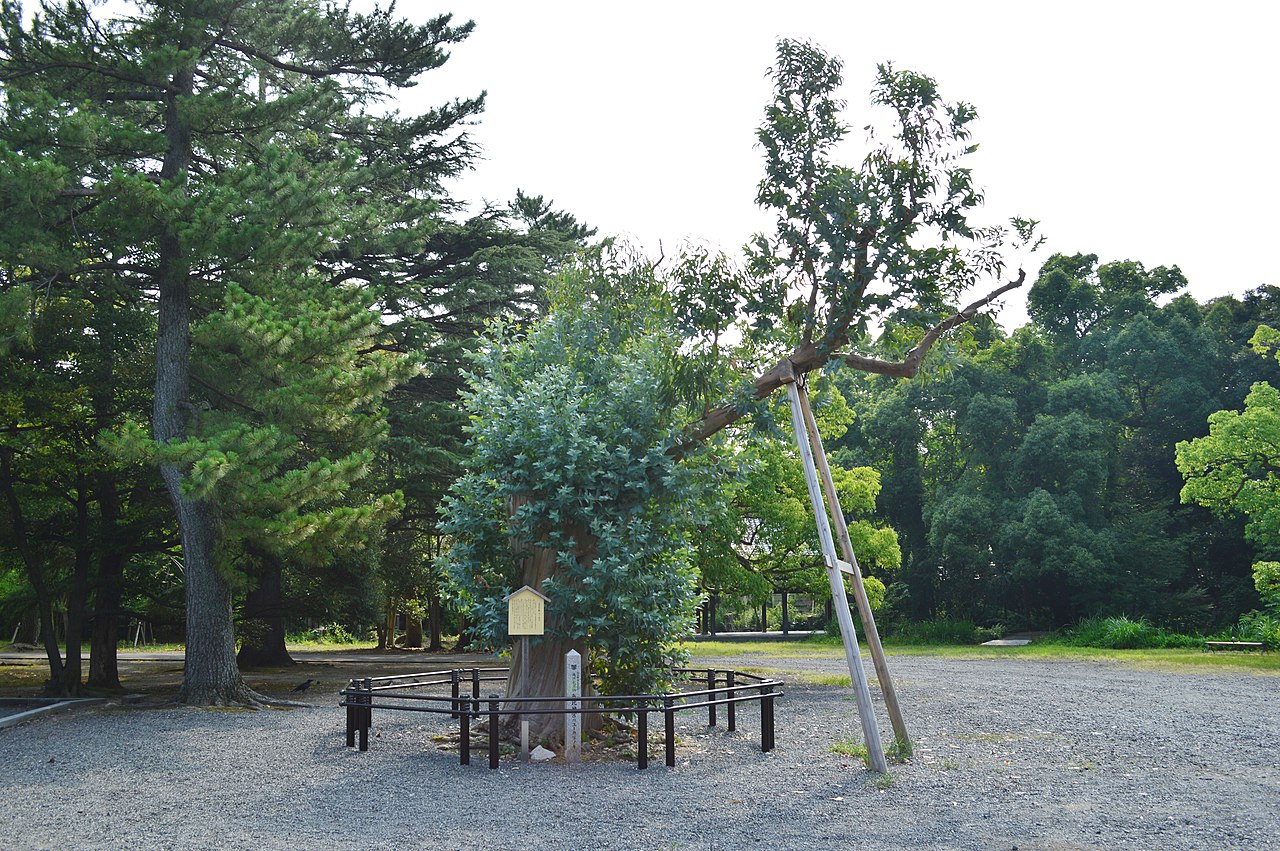
The best season is comfortable spring and autumn, or winter if aiming for gourmet. Touring the port area, the red-brick warehouses, and the Tsuruga Museum takes about half a day. Allow a full day if combining with Kehi Jingu Shrine and Kehi no Matsubara. Nearby are Kehi Jingu, Kehi no Matsubara (one of Japan's three great pine groves), and an aquarium, enjoyable for families too. As for budget, a stroll with museum admission and a meal is reasonable to enjoy, and plan a suitable budget if adding winter crab and the like.
A Word of Advice
Tsuruga is a port town to savor "history and romance" rather than spectacular scenery. At the red-brick warehouses and the Tsuruga Museum, you can carefully learn Tsurugas stories connecting to the world, such as the visas for life and the Polish orphans. Since the highlights to tour on foot are scattered, plan with comfortable shoes and an eye on facility hours. Enjoy this historic port town, made easier to visit by the Hokuriku Shinkansen extension, together with Kehi Jingu and the local seafood.
📚 Sources
The information here is based mainly on the public guidance from Tsuruga city and its tourism association, together with the guidance of facilities such as the Port of Humanity Tsuruga Museum and the red-brick warehouses. The history of prospering as an international port, the Visas for Life issued by Chiune Sugihara, and the story as a Port of Humanity that took in Polish orphans are also useful references. Because each facility's admission, opening hours, and closing days differ by facility and may change, please confirm the latest details on each facility or Tsuruga city official information before you visit.
Visitor Checklist
- Estimated time needed: About half a day to tour the port area, the red-brick warehouses, and the Tsuruga Museum. Allow a full day if you combine it with Kehi Jingu and the Kehi no Matsubara pine grove.
- What to bring: Comfortable walking shoes, as the sights are scattered and toured on foot. Since the port area is a little far from the station, a route bus or sightseeing loop bus is convenient.
- Suggested route: After learning the stories of the Visas for Life and the Polish orphans at the Tsuruga Museum and enjoying the port-town atmosphere of the red-brick warehouses, combine your trip with Kehi Jingu and the Kehi no Matsubara pine grove to fully enjoy the historic port town of Tsuruga in a day.
📍 Location & Access


Share this article




✍️ About this article
This article is compiled by the Tabitabi JAPAN editorial team from official and primary sources, including facility and shrine/temple websites, tourism information published by municipalities and tourism associations, and cultural-property records released by national and local governments. Prices, opening hours and event dates may change, so please also check the official information of each facility or local government before you visit.