
Echizen Washi: Japan's Oldest Washi Paper Production Area Boasting 1,500 Years of Tradition
Echizen washi, handed down in the quiet mountain villages of Echizen City in Fukui, is a leading Japanese washi region with more than 1,500 years of history said to date back to the Asuka period. Strong, supple, and beautiful, its paper boasts quality so high that its technology is even used in the raw material of banknotes. With a shrine enshrining the god of paper and facilities offering papermaking experiences scattered about, it is a region where you can feel the tradition of papermaking firsthand.
Highlights: The Shrine Enshrining the God of Paper
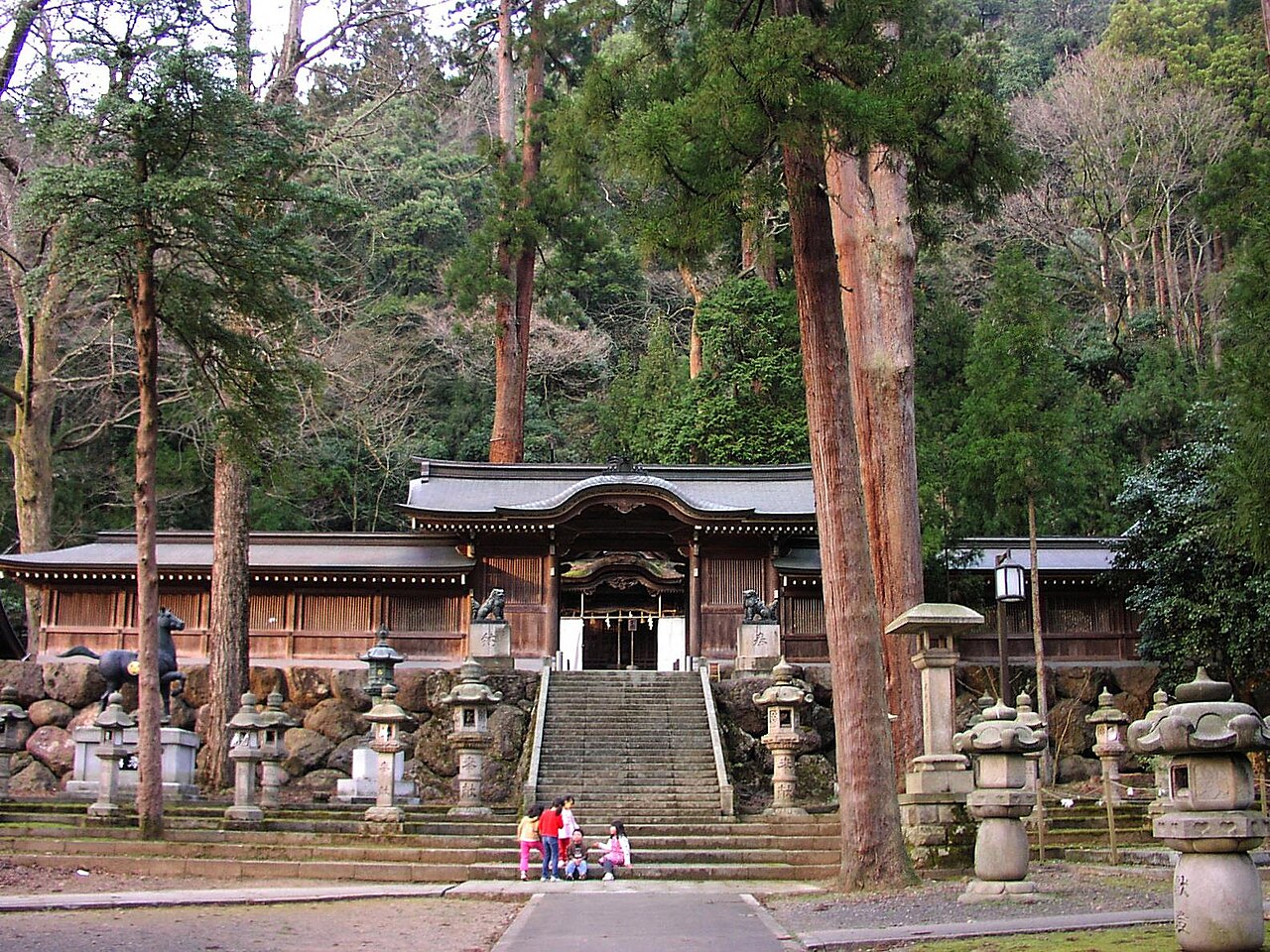
The history of Echizen washi spans more than 1,500 years, said to date to the Asuka period, and it is known as one of Japan oldest washi regions. Legend tells that the papermaking technique was brought to this land by a goddess called Kawakami Gozen. The Okamoto Shrine and Otaki Shrine, which enshrine Kawakami Gozen, are known as a rare shrine that enshrines the god of paper, and the main and worship halls, adorned with intricate carvings, are designated national Important Cultural Properties. That local artisans still press their hands together at this shrine, praying for the inheritance of their craft, is a scene unique to this place.

The Technology of Echizen Washi That Supports Japan
Echizen washi is known as high-quality washi that is strong and supple yet beautiful, and its advanced technology is said to be used even in the raw material of Bank of Japan notes. In the Imadate district of Echizen City, many hand-papermaking artisans and workshops still line the streets, and a townscape drifting with the pure scent of water and paper mulberry remains. It is an area where you can feel living tradition in a simple atmosphere that has not been excessively commercialized. Workshop visits often require advance reservations, so it is best to inquire with the tourism association or each workshop beforehand.

Washi Experiences and the Papyrus House
At the Papyrus House in the Echizen Washi Village, you can experience the papermaking process and make your own original washi. Designs weaving in petals and grasses are popular, and it can be enjoyed by children and adults alike. The papermaking itself can be experienced in a relatively short time, and its ease of participation, including the drying finish, is part of the appeal. The facility has a sales corner for letter sets, bookmarks, and interior goods made with Echizen washi, where you can slowly choose fine washi products. The village also has a reference hall where you can learn the history of washi and facilities where you can observe artisan skills, and touring these together deepens your understanding.
Seasonal Enjoyment
The Echizen Washi Village can be enjoyed year-round, but the fresh greenery of spring (April to May) and the foliage of autumn (October to November) make the mountain-village scenery beautiful and ideal for strolling. Praying at the shrine that enshrines the god of paper amid the clear air deepens the mood of the trip. The early morning hours have fewer tourists, so touring in a quiet atmosphere is recommended.
Access and Essentials
- By rail and bus: About 20 to 25 minutes by bus or taxi from Takefu Station on JR and Hapi-Line Fukui to the Echizen Washi Village.
- By car: About 10 minutes from the Takefu Interchange on the Hokuriku Expressway. There is parking within the village and around the Papyrus House.
- Experiences and admission: The papermaking experience at the Papyrus House is paid (a few hundred to low thousands of yen). Please check the latest information for reference hall admission and experience fees.
- Surroundings: Echizen City also has famous shops for Echizen forged blades and Echizen oroshi soba, which can be enjoyed together.
Practical Travel Notes
- Best season and time: Spring greenery or autumn foliage, and the morning with fewer tourists, are recommended.
- Avoiding crowds: Experience slots fill easily on weekends and holidays, so advance reservations or weekday visits give peace of mind.
- Time needed: One to two hours for the Papyrus House experience and a village stroll; half a day if you add workshop visits and the reference hall.
- Packing tip: Since the experience uses water, clothing with sleeves that are easy to roll up is handy. A thin file case is useful for carrying your finished washi home without folding it.
- Nearby real spots: The Lacquer Village Hall (Sabae), the Echizen Ceramic Arts Village, and famous Echizen oroshi soba shops.
A Word of Advice
The Echizen Washi Village is a precious region where the history, faith, and craft of washi are concentrated in a single village. Workshop visits often require advance reservations, so check with the tourism association or each facility before visiting. A single sheet made in a papermaking experience becomes a one-of-a-kind memento of your trip.
📚 Sources
The information here is based mainly on the public guidance from Echizen city, the Echizen Washi industrial cooperative, and the Echizen city tourism association, together with the guidance of Echizen Washi no Sato and the Papyrus House, which serve as the base. The guidance on Okamoto Shrine and Otaki Shrine, which enshrine the paper goddess Kawakami Gozen and are national important cultural properties, and the on-site history notes are also useful references. Because the papermaking experience at the Papyrus House, the museum fees and hours, and whether workshop visits are allowed may change, please confirm the latest details on the official Echizen Washi no Sato or Echizen city information before you visit.
Visitor Checklist
- Estimated time needed: About 1 to 2 hours for a papermaking experience at the Papyrus House and a stroll through the village, or about half a day if you add a workshop visit and the museum.
- What to bring: Clothing with sleeves that roll up easily is handy since the experience uses water. A thin file folder is useful for carrying your finished paper home without folding it. Check ahead, as workshop visits often require reservations.
- Suggested route: After a papermaking experience at the Papyrus House, visit the adjoining Okamoto Shrine and Otaki Shrine, then combine your trip with Urushi no Sato Kaikan in Sabae and Echizen Togei Mura, both reachable by car, to fully enjoy Echizen craftsmanship.
📍 Location & Access




Share this article




✍️ About this article
This article is compiled by the Tabitabi JAPAN editorial team from official and primary sources, including facility and shrine/temple websites, tourism information published by municipalities and tourism associations, and cultural-property records released by national and local governments. Prices, opening hours and event dates may change, so please also check the official information of each facility or local government before you visit.