
Echizen Ware: Ancient Pottery with Beautiful Natural Glaze, One of Japan's Six Ancient Kilns
The plain, powerful texture of clay, the deep character born of natural glaze, and kiln fires passed down across a thousand years -- Echizen ware, made mainly in Echizen Town in Fukui, is a traditional ceramic continuing from the late Heian period. Counted among Japan Six Ancient Kilns, its charm lies in an unadorned, simple beauty. You can fully savor the world of pottery woven by clay and flame at its home.
Echizen Ware, One of Japan's Six Ancient Kilns
Echizen ware is a traditional ceramic made mainly in Echizen Town in Fukui, with beginnings dating to the late Heian period. It is counted as one of Japan Six Ancient Kilns, alongside Seto and Tokoname in Aichi, Shigaraki in Shiga, Tamba in Hyogo, and Bizen in Okayama, a precious kiln site that has continued unbroken from the medieval period to the present. These six ancient kilns are recognized as Japan Heritage as regions representing Japan pottery culture.
Highlights: Plain and Powerful Texture
The charm of Echizen ware lies in the plain, powerful texture born of natural glaze, where ash melts and coats the piece as it is fired in a wood kiln without applied glaze. The iron-rich clay takes on reddish-brown and dark hues when fired, letting you sense the character of the clay itself. It was once made as everyday items such as water jars, pots, and grinding bowls, and circulated widely for its durability and practicality. Its unadorned beauty has been newly reappraised in recent years.
Echizen Ceramic Arts Village and Pottery Experiences
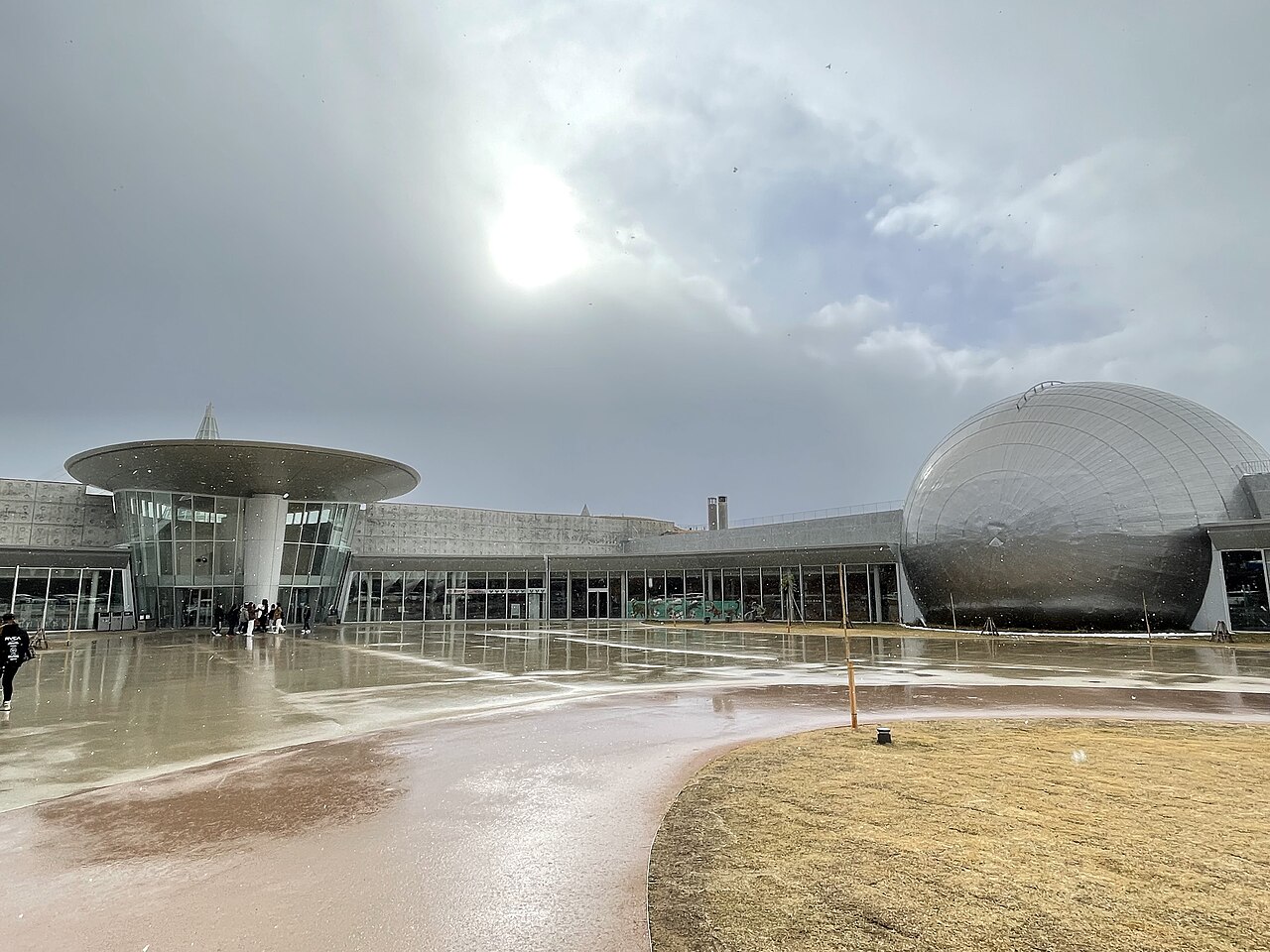
Echizen Town, home of Echizen ware, has the Echizen Ceramic Arts Village, where kilns, a reference hall, and galleries gather. At the Fukui Prefectural Ceramics Museum you can learn the history and masterpieces of Echizen ware and enjoy pottery experiences on the wheel or by hand-building. Ceramic objects are scattered across the spacious park, a space for a leisurely stroll. You can fully enjoy the appeal of pottery, trying your hand at making your own vessel or searching for a favorite piece.
Seasonal Enjoyment
It can be enjoyed year-round, but strolling the arts village is best in the comfortable seasons of spring and autumn. The Echizen Pottery Festival is held each autumn, lively with works from many kilns on display. There are chances to talk directly with the makers while choosing pieces, an event not to be missed by pottery lovers. In summer the green-rich park is pleasant, and in winter the quiet of the kiln site amid snowy scenery has its own depth.
Access and Essentials
- By rail and bus: About 20 minutes by car (taxi) from Takefu Station on JR and Hapi-Line Fukui to the Echizen Ceramic Arts Village. Routes combining the Fukui Railway and buses are also available.
- By car: About 20 minutes by car from the Takefu Interchange on the Hokuriku Expressway. The arts village has parking.
- Admission: Strolling the Ceramic Arts Village and ceramic park is mainly free. Some exhibits at the Fukui Prefectural Ceramics Museum and pottery experiences are paid (experiences from a few hundred to low thousands of yen).
- Surroundings: Can be enjoyed together with the Echizen coast and the flavors of Echizen Town, home of Echizen crab.
Practical Travel Notes
- Best season and time: Spring and autumn are comfortable. The Pottery Festival (autumn) is fun with a rich selection.
- Avoiding crowds: Weekends during the festival are busy, so for pottery experiences, weekdays or mornings are best.
- Time needed: One to two hours for the museum and park stroll; half a day if you add a pottery experience. Finished works are generally mailed later.
- Nearby real spots: The Echizen coast, Echizen crab restaurants, the Echizen Washi Village, and the Lacquer Village Hall.
- Budget feel: Strolling is free, experiences from a few hundred to low thousands of yen, and vessels from the low thousands depending on use.
A Word of Advice
Echizen ware is pottery whose charm is unadorned simplicity and durability. At the arts village you can compare works from several kilns, so pick pieces up and check their weight and clay texture to find one that suits your life. Works from a pottery experience are often mailed later, so applying in line with your itinerary gives peace of mind.
📚 Sources
The information here is based mainly on the public guidance from Echizen town, the Echizen ware industrial cooperative, and the Fukui Prefectural Ceramics Museum, together with the guidance of Echizen Togei Mura, which serves as the base. The guidance on wheel and hand-forming pottery experiences and on the Echizen Pottery Festival held in autumn are also useful references. Because the admission and experience fees at the ceramics museum and the event dates may change, please confirm the latest details on the official Fukui Prefectural Ceramics Museum or Echizen town information before you visit.
Visitor Checklist
- Estimated time needed: About 1 to 2 hours for touring the ceramics museum and strolling the park, or about half a day if you add a pottery-making experience. Finished works are generally mailed to you at a later date.
- What to bring: Clothes you do not mind getting dirty are reassuring since the pottery experience involves clay. Weekdays or mornings are more comfortable for an experience, as weekends during festival periods get crowded.
- Suggested route: After learning the history of Echizen ware and enjoying a pottery experience at the Fukui Prefectural Ceramics Museum, stroll the pottery park and combine your trip with the nearby Echizen Coast and Echizen crab restaurants for a full day.
📍 Location & Access




Share this article




✍️ About this article
This article is compiled by the Tabitabi JAPAN editorial team from official and primary sources, including facility and shrine/temple websites, tourism information published by municipalities and tourism associations, and cultural-property records released by national and local governments. Prices, opening hours and event dates may change, so please also check the official information of each facility or local government before you visit.