
5 Photogenic Buildings and Streetscapes in Gifu
Gifu Prefecture is full of architectural gems and streets rich with character that beg to be photographed. From castle town history to Taisho-era romanticism to Japan's oldest gassho-zukuri (thatched-roof) village, a diverse range of "photo spots" awaits. Here are five must-see locations for stunning architectural photography.
1. Gifu Castle (Mount Kinka)
Gifu Castle, towering atop Mount Kinka, offers a stunning contrast against the surrounding greenery and sky. During the magic hour at dusk, the castle walls are bathed in orange, producing a fantastical shot. Note that the summit can only be reached during operating hours of the Mount Kinka Ropeway (paid), and the castle's opening hours and admission fees vary by season. Including dates of evening hours in summer, be sure to check the latest information on the official website before visiting. A composition looking up at the ropeway boarding area also works well. In autumn, foliage and in winter, snowy scenery make seasonal photo opportunities worth aiming for.
Access: About 15 minutes by bus from JR Gifu Station; get off at "Gifu Park / Rekishi Hakubutsukan-mae"
2. Shirakawa-go Gassho-Zukuri Village (Ono-gun Shirakawa Village)
The gassho-zukuri (thatched farmhouse) village registered as a World Heritage Site looks as if you have wandered into a picture book. In the winter snow scene combined with the light-up event, the snow piled on the thatched roofs glows blue-white. However, the light-up event requires full advance reservation. In 2026 (the 40th event), it is held on only four nights: January 12, 18, 25, and February 1, with illumination from 17:30 to 19:30. Entry is not possible without a ticket, no tickets are sold on the day, and depending on the reservation method, access to the observation deck may not be available. The wide-angle shot looking down over the entire village from the "Ogimachi Castle Ruins Observation Deck" is the standard composition for daytime visits.
Access: About 50 minutes by express bus from Takayama Nohi Bus Center
3. Old Town District (Hida-Takayama)
Takayama's "Sanmachi-dori," lined with merchant houses from the Edo period, is a retro street of beautiful black walls and lattice windows. Before the shops open in the morning (7 to 9 a.m.) is when crowds are smallest, and the morning light reflecting on the cobblestones is fantastical. Using the red sake balls (sugidama) hanging from the eaves as a foreground blur in a vertical composition is a classic technique for advanced photo enthusiasts.
Access: About 10 minutes on foot from JR Takayama Station
4. Nawa Insect Museum (Gifu City)
A Western-style two-story retro building opened in Taisho 8 (1919), designed by architect Takeda Goichi. Still open today as Japan's oldest surviving specialist insect museum. In the morning light the building's colors shine vividly, as if you have stepped into a European street corner. Portrait photography with the building as a backdrop in natural sunlight is also recommended. Located inside Gifu Park, it is easily accessible.
Access: About 15 minutes by bus from JR Gifu Station; get off right at "Gifu Park / Rekishi Hakubutsukan-mae." Admission: 650 yen for general visitors (high school age and above), 450 yen for children (ages 4 and above through junior high school). Opening days are limited, so be sure to check the official website for the schedule.
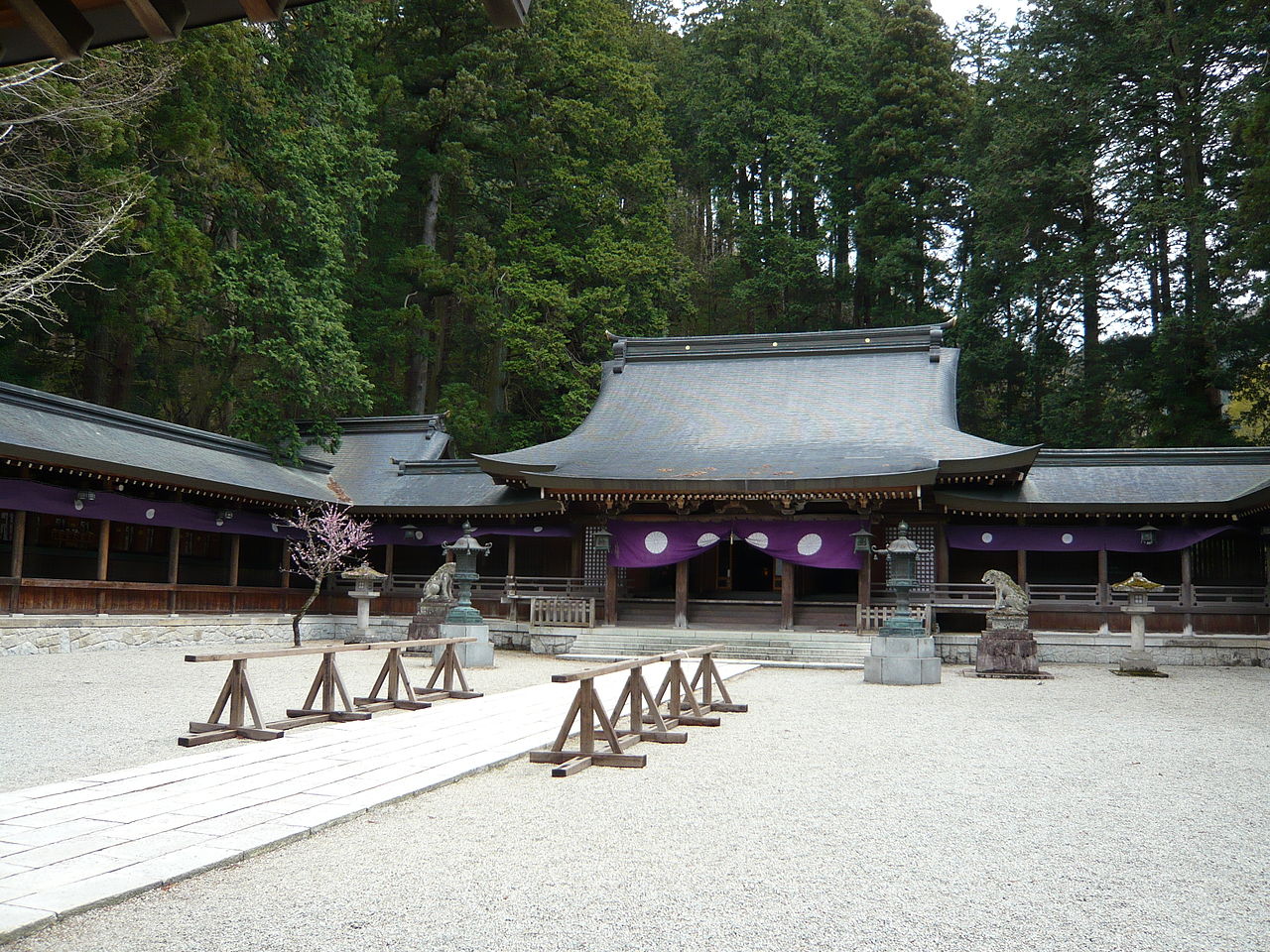
5. Eihoji Temple (Tajimi City)
A Zen temple founded in 1313, with its Kannondo and Kaisando halls designated as National Treasures and its garden designated as a National Place of Scenic Beauty. The combination of the garden reflected in the pond and the cypress-bark-roofed Kannondo is breathtakingly beautiful. During the autumn foliage season (early to mid-November), a gradation of red and yellow spreads across the water's surface, like a watercolor painting. Aiming for the water mirror from a low angle at the pond's edge produces a dramatic photo with a strong sense of depth.
Access: About 10 minutes by taxi from JR Tajimi Station. No admission fee. However, as this is an active training monastery, groups of 10 or more require advance reservation, and there are a few periods each year when group visits are not possible.
Gifu Prefecture is a treasure trove of photo opportunities where so much variety of Instagram-worthy scenery can be enjoyed within a single prefecture. Grab your camera and head out to find your favorite shot!
Practical Information for Your Visit
- Best season and time of day: Takayama's Sanmachi-dori is best in the morning when there are few people about. Shirakawa-go is at its best in the fresh greenery of spring, the autumn colours and the snowy scenery of winter. Eihoji Temple is best during the autumn foliage of early to mid-November. Gifu Castle is best in the magic hour at dusk.
- Opening hours and closing days: Opening hours for Gifu Castle and the Mount Kinka Ropeway change with the season. The Nawa Insect Museum is open only on limited days, so please check the opening days on the official website in advance. Eihoji Temple is a working monastic training hall, and there are several periods each year when group visits are not possible.
- Admission: The Nawa Insect Museum costs 650 yen for general admission (high school age and above) and 450 yen for children (aged 4 to junior high school age). Admission to Eihoji Temple is free of charge. Entry to Gifu Castle and the Mount Kinka Ropeway both charge a fee. The Shirakawa-go illumination is a paid event requiring advance reservation without exception, and no same-day tickets are sold.
- Access: Gifu Castle and the Nawa Insect Museum: about 15 minutes by bus from JR Gifu Station, getting off at Gifu Koen Rekishi Hakubutsukan-mae. Shirakawa-go: about 50 minutes by highway bus from the Takayama Nohi Bus Center (reservation required). Takayama's Sanmachi-dori: about a 10-minute walk from JR Takayama Station. Eihoji Temple: about 10 minutes by taxi from JR Tajimi Station.
- Parking: At Shirakawa-go, please use the designated car parks and do not park on the street. Capacity and fees differ at each spot, so check the official websites for the latest information.
- Photography rules: Both Shirakawa-go and Takayama's old townscape are places where residents actually live. Please do not enter private land or the grounds of private houses without permission. Eihoji Temple is a monastic training hall, so keep quiet, and groups of 10 or more must reserve in advance. Follow each facility's instructions on whether photography is permitted indoors and in temple halls, and on the use of tripods and drones.
- Safety notes: The Shirakawa-go illumination (the 40th, in 2026) takes place on just 4 occasions, on 12, 18 and 25 January and 1 February, with the lights on only from 17:30 to 19:30, and requires advance reservation without exception. You cannot enter the site without a ticket, and daytime visitors must also leave by 17:00. Depending on how you book, you may not be able to go up to the observation deck. In winter, Shirakawa-go and Takayama call for care over snow, icy road surfaces and snow sliding off roofs. Mount Kinka is a mountain path, so if you are descending after sunset be sure to check the time of the last ropeway.
Note: Reservation slots for the illumination fill up early. After the dates are announced in the summer of the preceding year, check the booking procedure on the official website of the Shirakawa-go Tourism Association.
(Sources: official website of Shirakawa Village Office; official website of the Shirakawa-go Tourism Association; official website of the Nawa Insect Museum; official Gifu Prefecture tourism website Gifu Travel Guide)

Share this article




✍️ About this article
This article is compiled by the Tabitabi JAPAN editorial team from official and primary sources, including facility and shrine/temple websites, tourism information published by municipalities and tourism associations, and cultural-property records released by national and local governments. Prices, opening hours and event dates may change, so please also check the official information of each facility or local government before you visit.