
Nada Sake: Highest Quality Japanese Sake Produced in Japan's Number One Sake Region
Nada, stretching from Kobe to Nishinomiya in Hyogo Prefecture, is Japan's foremost sake-producing region. Sake breweries line the coast, and with many facilities offering tours and tastings, it is an irresistible area for sake lovers. Easy to explore by train, the Nada brewery tour, hopping from brewery to brewery and comparing tastes, is highly popular.
Highlights
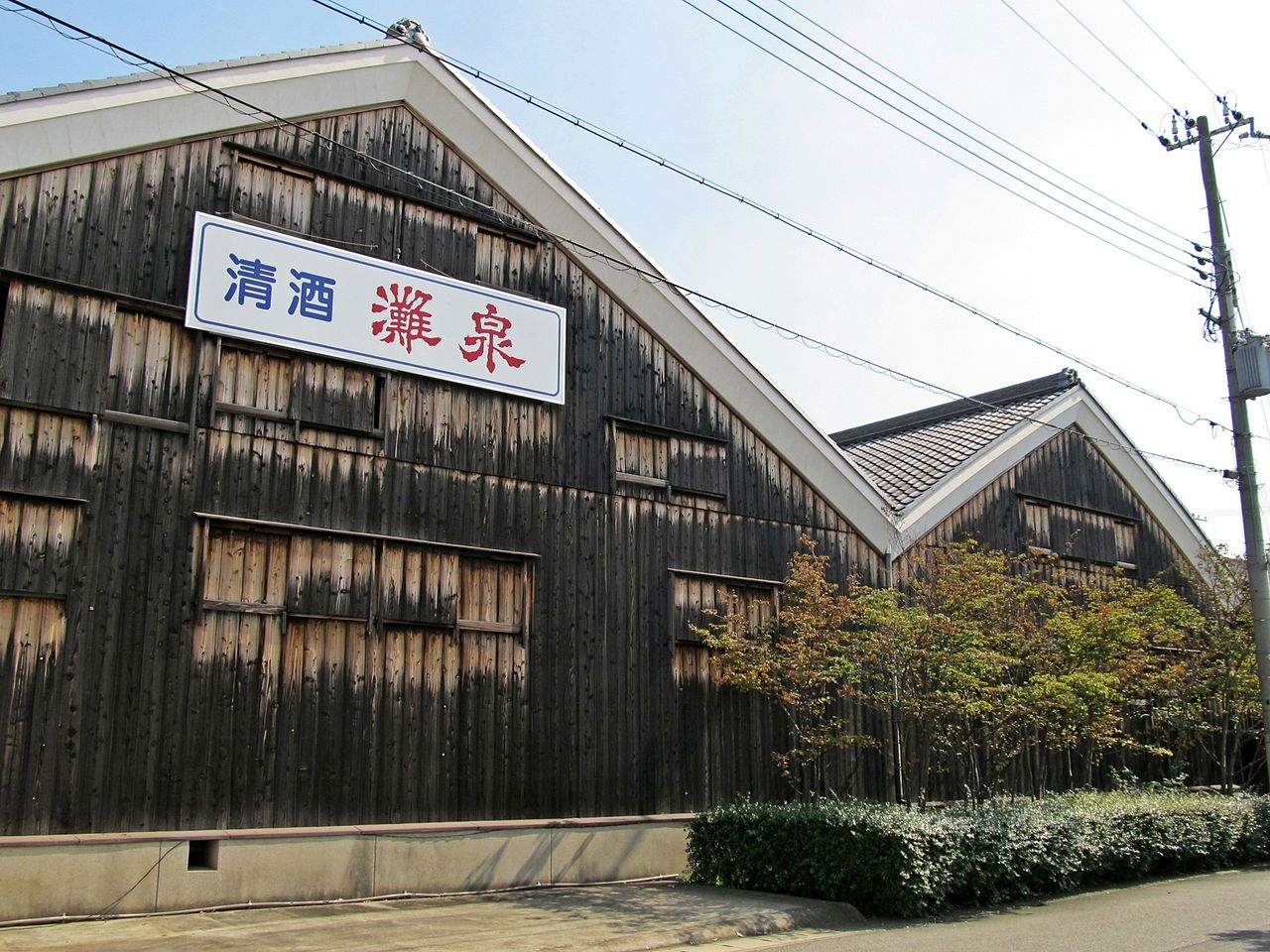
Nada-Gogo, the five districts of Nishi-go, Mikage-go, Uozaki-go, Nishinomiya-go, and Imazu-go, is Japan's largest sake-producing area, making roughly 30 percent of all Japanese sake. Famous, universally known brands such as Kikumasamune, Kenbishi, Hakutsuru, Sawanotsuru, and Nihonsakari originate here. In the Edo period it was shipped to Edo as kudarizake, its high quality making its name renowned nationwide. The Nada and Nishinomiya area is dotted with breweries offering tours and tastings, and at places like the Hakutsuru Sake Brewery Museum, the Kikumasamune Sake Brewery Memorial Hall, the Sawanotsuru Museum, and the Hamafukutsuru Ginjo Workshop, you can learn about the sake-making process and history for free or a modest fee and enjoy tasting freshly made sake. Kobe Shushinkan, known for Fukuju, is a complex with a restaurant, shop, and hall set in a converted brewery, where you can savor the makers sake alongside seasonal Japanese cuisine.

Enjoying the Seasons
Winter, when new sake appears (December to February), is the finest season for freshly pressed sake. Breweries sometimes hold open-house events, and many fans visit seeking fragrant, freshly made sake. The mild seasons of spring and autumn are also comfortable for a brewery-hopping stroll. Nada sakes quality is supported by high-grade hard water called Miyamizu, subterranean water from the Rokko mountain system. Rich in minerals that promote yeast fermentation and low in the iron that degrades sake, this water, together with the cold Rokko-oroshi wind that blows down from Mt. Rokko in winter, produces Nada's dry, crisp men's sake.

Access and Basics
The nearest stations to the breweries are Uozaki, Sumiyoshi, and Nishinomiya on the Hanshin line. Many breweries are within walking distance of a station, so you can hop between them by train, and a Nada-Gogo brewery tour route linking them is well set up. Most museums have free admission or a modest fee, and tastings are free at some places and paid at others. Close to Kobe and Sannomiya, it is easy to drop by as part of sightseeing.
Practical Travel Notes
If you tour two or three breweries, a half-day itinerary is easy to plan. On a day of tasting, always use public transport rather than driving. If you plan to compare several sakes, it is wise to eat well beforehand or drink water in between. For budget, museum tours and tastings alone run from a few hundred to just over a thousand yen, and adding a brewery-restaurant meal or sake souvenirs stays within an adjustable range. At the birthplace of Miyamizu in Nishinomiya, a monument lets you connect with the history of the fine water that supports Nada sake. Open-house events during the new-sake season are especially lively, so it is good to check each brewerys event information in advance.
A Word of Advice
The joy of a Nada brewery tour is the ease of walking from the station to hop between breweries and comparing the different tastes each one offers. Enjoy at a comfortable pace, taking water along the way. If you find a favorite bottle, buying a brewery-exclusive limited sake as a souvenir is also recommended.
📚 Sources
For the sake of Nada, the Nada Gogo Sake Brewers Association and the individual breweries (such as the Hakutsuru Sake Brewery Museum, the Kikumasamune Sake Brewery Memorial Hall, the Sawanotsuru Museum, the Hamafukutsuru Ginjo Kobo and the Kobe Shushinkan) provide reliable references. Its standing as Japan's largest sake-producing area and the explanations of Miyamizu water and the Rokko-oroshi wind can be confirmed through these museums' guidance. For the monument at the birthplace of Miyamizu in Nishinomiya, the city of Nishinomiya's tourism information is helpful. Tour and tasting fees, opening hours and brewery-opening event dates may change, so please confirm each brewery's official information before visiting.
Visitor Checklist
- Approximate time needed: About half a day to tour two or three breweries.
- What to bring and prepare: On a day of tasting, always use public transport and avoid driving. It is safer to eat well first and drink water between samples. Museums are often free or modestly priced.
- Suggested route: Hop by train between breweries within walking distance of Hanshin stations such as Uozaki, Sumiyoshi and Nishinomiya, and stop at the monument marking the birthplace of Miyamizu in Nishinomiya, following the flow described in the article.
📍 Location & Access


Share this article


✍️ About this article
This article is compiled by the Tabitabi JAPAN editorial team from official and primary sources, including facility and shrine/temple websites, tourism information published by municipalities and tourism associations, and cultural-property records released by national and local governments. Prices, opening hours and event dates may change, so please also check the official information of each facility or local government before you visit.